
-
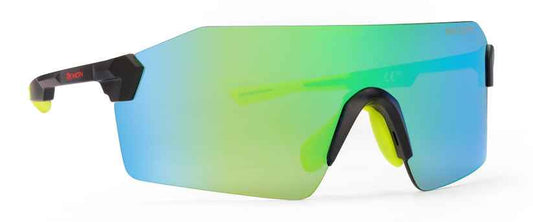
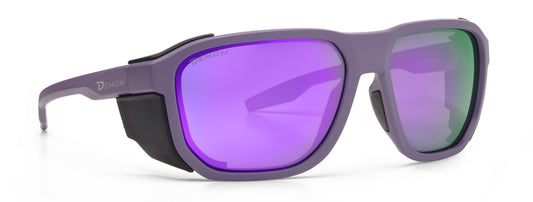
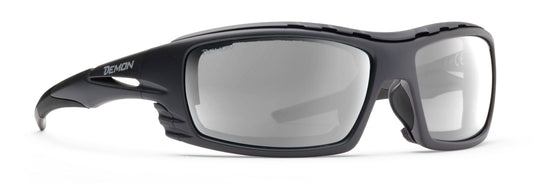
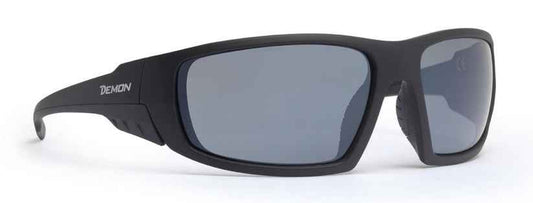
STUBAIER PLUS
Vendor:Mountain Glasses with High Contrast Mirrored LensRegular price €69,90Regular priceUnit price per -

 Sale
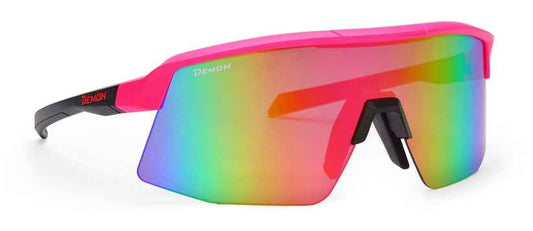
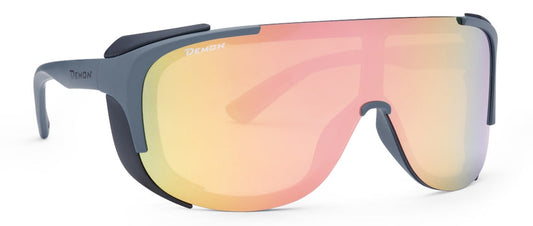
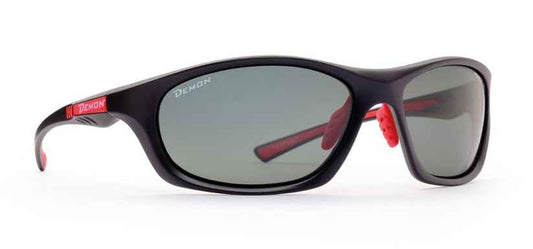
SaleSUPERPIUMA
Vendor:Mountain Glasses with High Contrast Mirrored LensRegular price From €71,91Regular priceUnit price per€79,90Sale price From €71,91Sale -

 Sale
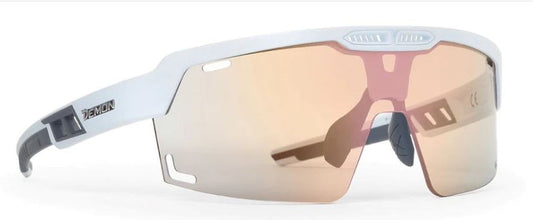
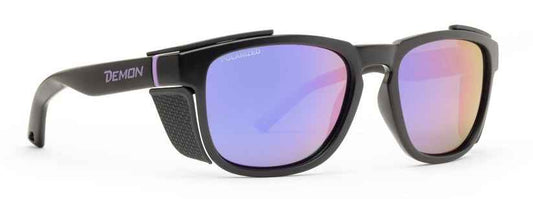
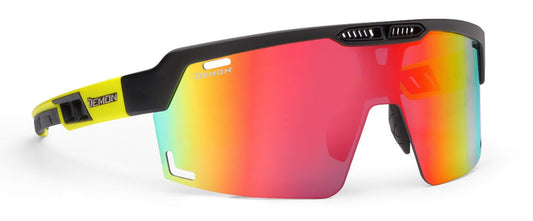
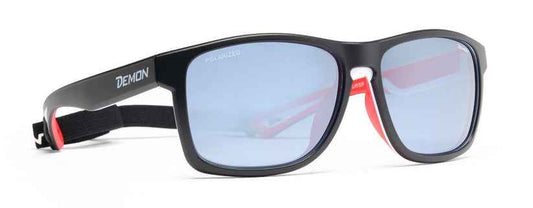
SaleSPEED VENT
Vendor:Mountain Glasses with Photochromic Mirrored Lens DCHROM® Cat. 1-3Regular price From €116,91Regular priceUnit price per€129,90Sale price From €116,91Sale -
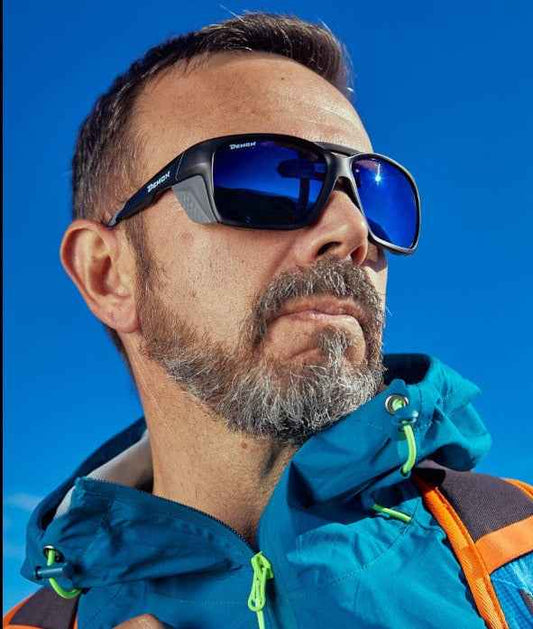
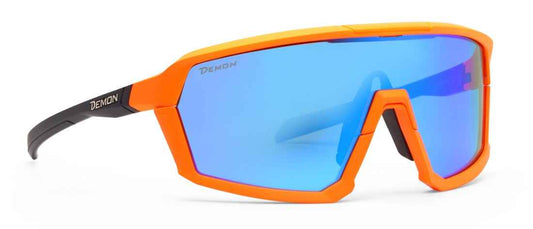
SPEED VENT
Vendor:Mountain Glasses with High Contrast Mirrored LensRegular price €69,90Regular priceUnit price per

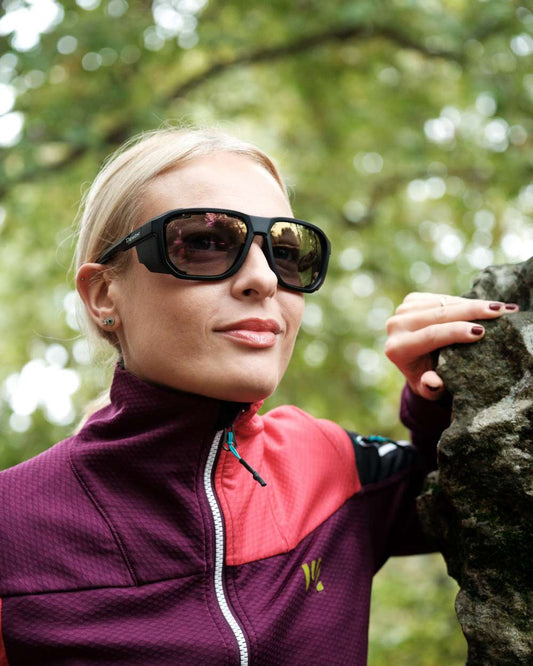

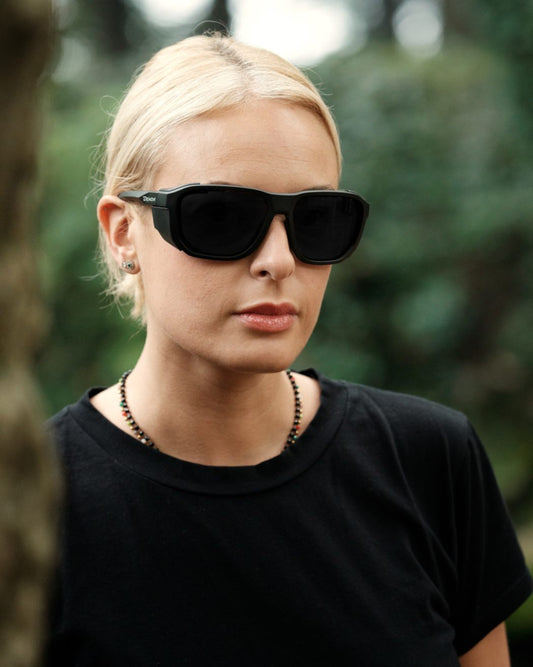














Collection: Women's glasses for hiking and mountaineering
Women’s Glasses for Hiking and Mountaineering
Women’s glasses for hiking and mountaineering are specially designed to provide optimal eye protection, comfort, and performance in challenging outdoor environments. Whether trekking through forested trails, scaling rocky peaks, or navigating snow-covered mountains, proper eyewear plays a critical role in safety, visibility, and overall enjoyment.
Key Features of Hiking and Mountaineering Glasses for Women:
UV Protection:
Exposure to ultraviolet (UV) rays is a major concern in high-altitude environments where the atmosphere is thinner and sunlight is more intense. Women’s hiking and mountaineering glasses typically block 100% of UVA and UVB rays, preventing eye strain, photokeratitis (sunburn of the eyes), and long-term damage such as cataracts.
Durable and Lightweight Frames:
Glasses for hiking and mountaineering are often made from lightweight, impact-resistant materials like nylon or polycarbonate. These materials provide durability against accidental drops, branches, or rocks, while keeping the glasses comfortable for long treks. Many designs feature wrap-around frames that conform to the face, offering secure fit and lateral protection against wind, dust, and debris.
High-Performance Lenses:
Lenses are tailored for outdoor conditions, offering enhanced contrast, clarity, and glare reduction. Options include smoke or gray lenses for bright sunlight, yellow or amber lenses for low-light conditions, and polarized lenses for reflective surfaces like water, snow, or wet rock. Some models feature photochromic lenses, which adjust automatically to changing light conditions, making them highly versatile for alpine environments where weather and brightness can shift rapidly.
Ventilation and Anti-Fog Technology:
During vigorous activity, glasses can fog up due to heat and sweat. Women’s hiking and mountaineering glasses often incorporate ventilation channels or anti-fog coatings to maintain clear vision and prevent condensation. This is particularly important during steep climbs or in humid conditions.
Comfort and Fit:
Comfort is crucial for extended hikes or mountaineering expeditions. Women’s glasses are designed with adjustable nose pads, flexible temple arms, and ergonomic shapes to reduce pressure points and maintain a secure fit under helmets, hats, or headbands. Some models also feature interchangeable lenses so wearers can switch between lens types depending on sunlight and terrain conditions.
Protection Against Environmental Hazards:
Glasses shield the eyes from wind, dust, insects, snow glare, and harmful reflections. In snowy or glaciated areas, specialized lenses may include anti-reflective or mirrored coatings to prevent snow blindness. Side shields or wrap-around designs provide additional protection from peripheral hazards encountered on trails or mountain paths.
Applications:
Women’s hiking and mountaineering glasses are ideal for:
- Trail Hiking: Protecting eyes from sun, wind, and dust on forested or open trails.
- High-Altitude Trekking: Preventing snow glare and UV damage at elevated locations.
- Mountaineering & Climbing: Offering stability, impact resistance, and protection from debris during technical ascents.
- Adventure Travel: Providing versatile eye protection for multi-terrain outdoor expeditions.

How to Choose Women’s Glasses for Hiking and Mountaineering
When selecting women’s glasses for hiking and mountaineering, it is essential to focus on features that maximize protection, comfort, and functionality in a variety of outdoor conditions. The right pair of glasses can protect your eyes from UV radiation, debris, wind, and glare, while ensuring clear vision during demanding activities. Here are the key considerations to guide your choice:
Hiking for Women
Hiking is a highly rewarding activity for women, offering a combination of physical, mental, and emotional benefits while providing opportunities for exploration, personal growth, and connection with nature. Whether trekking through forests, ascending mountains, or strolling along rivers and valleys, hiking encourages women to embrace both adventure and wellness.
Health and Fitness Benefits
Hiking is a full-body workout that engages multiple muscle groups, including the legs, core, and upper body, especially when using trekking poles or navigating uneven terrain. It can significantly improve cardiorespiratory endurance, muscular strength, flexibility, and balance. Hiking on natural trails challenges the body in ways that flat surfaces cannot, helping to maintain overall physical fitness, burn calories, and support healthy weight management. It is also an effective activity for women seeking a low-impact alternative to high-intensity gym workouts, reducing stress on joints while still providing cardiovascular benefits.
Connection with Nature
One of the most appealing aspects of hiking is the opportunity to immerse oneself in nature. Experiencing stunning landscapes—whether lush forests, rugged mountains, serene lakes, or cascading waterfalls—can foster a sense of tranquility and mindfulness, reduce stress levels, and enhance overall mental well-being. Being outdoors exposes hikers to fresh air, natural light, and the calming sights and sounds of the environment, which can improve mood, reduce anxiety, and boost creativity.

Autonomy and Confidence
Hiking can be a deeply empowering experience for women. It often requires navigation skills, decision-making, and problem-solving, especially when tackling challenging trails or unfamiliar terrain. Successfully overcoming obstacles, reaching summits, or completing long-distance hikes fosters self-confidence, resilience, and a strong sense of personal accomplishment. Many women find that hiking strengthens both mental fortitude and independence, encouraging them to tackle challenges both outdoors and in daily life.
Socialization and Community
Hiking also offers valuable social benefits. Joining hiking groups, clubs, or organized events allows women to meet like-minded individuals, share experiences, and build friendships. Group hikes provide opportunities for mentorship, skill-sharing, and mutual encouragement, enhancing both safety and enjoyment. Even solo hiking can foster a sense of community through trail encounters or online networks of fellow enthusiasts.
Safety and Preparation
Prioritizing safety is essential for any hiking adventure. Women should take steps to ensure a secure experience, including:
- Learning navigation skills and understanding maps, GPS, and trail markers.
- Researching terrain and weather conditions to plan appropriate routes and anticipate challenges.
- Wearing suitable clothing and footwear for comfort and protection.
- Carrying essential equipment, such as water, snacks, first aid kit, and a communication device.
- Informing someone of your route or hiking with a partner for added safety.
Environmental Preservation
Responsible hiking practices are vital for protecting natural ecosystems. Women hikers should follow principles such as staying on designated trails, avoiding littering, respecting wildlife, and adhering to park rules and guidelines. Practicing Leave No Trace principles ensures that these outdoor spaces remain beautiful, safe, and accessible for future generations.

Mountain Climbing and Women Mountaineers
Mountaineering is a demanding and exhilarating activity that involves climbing mountains, navigating rugged alpine terrain, and facing unpredictable environmental conditions. Traditionally male-dominated, the world of mountaineering is increasingly welcoming women who are proving their strength, skill, and resilience on some of the planet’s most challenging peaks.
Breaking Gender Barriers
Women are shattering traditional perceptions and demonstrating that mountaineering is not limited by gender. Female mountaineers have successfully scaled some of the world’s highest and most treacherous peaks, including Everest, K2, Denali, and the Matterhorn. By achieving these extraordinary feats, they challenge stereotypes, inspire confidence in other women, and show that determination, preparation, and skill are far more important than gender in this discipline.
Physical Fitness and Experience
Mountaineering demands a combination of endurance, strength, agility, and technical expertise. Women mountaineers often engage in rigorous training regimens to build cardiovascular fitness, muscular strength, balance, and climbing skills. They also accumulate experience by tackling progressively challenging climbs, learning to navigate rock, ice, snow, and mixed terrain, and developing familiarity with essential gear and safety protocols. This preparation is vital for successfully facing long expeditions and extreme conditions.
Support, Sisterhood, and Community
A unique aspect of women in mountaineering is the sense of community and sisterhood that often develops among female climbers. Women form groups and networks to train together, share technical knowledge, organize expeditions, and provide emotional support during climbs. This camaraderie fosters collaboration, enhances safety, and creates an empowering environment where women can thrive in a challenging sport.
Safety and Preparation
Mountaineering carries inherent risks, including adverse weather, high-altitude exposure, avalanches, rockfalls, and difficult terrain. Women mountaineers emphasize thorough preparation, ensuring they have technical climbing skills, knowledge of first aid, navigation abilities, and survival strategies. Recognizing personal limits, planning for contingencies, and prioritizing both individual and group safety are essential for successful and responsible mountaineering.
Leadership and Inspiration
Many women in mountaineering take on leadership roles, whether leading expeditions, mentoring other climbers, or advocating for greater female participation in the sport. Their accomplishments serve as inspiration, showing that women can excel in extreme environments, take calculated risks, and lead teams in challenging conditions. These trailblazers help encourage the next generation of female mountaineers and contribute to greater gender equality in outdoor adventure sports.
Respect for the Environment
Sustainable practices are a core value for women mountaineers. They advocate for responsible climbing, such as minimizing environmental impact, adhering to local regulations, avoiding litter, and respecting fragile ecosystems. Protecting natural habitats ensures that future generations of climbers male and female can continue to experience the beauty and challenge of the world’s mountains.
Women in mountaineering are demonstrating strength, courage, and resilience, excelling in one of the most demanding outdoor pursuits. Through rigorous preparation, determination, mutual support, and respect for the environment, female climbers are breaking barriers, inspiring others, and proving that mountaineering is a field where skill and perseverance matter far more than gender. Their achievements highlight the potential of women to thrive in extreme conditions and encourage broader participation in this extraordinary sport.

Choosing the Right Lenses for Women’s Hiking and Mountaineering Glasses
Selecting the right pair of glasses for hiking and mountaineering is not just about style it is crucial for eye protection, visual clarity, and overall performance in challenging outdoor environments. The lenses are the most important component, as they determine how well your eyes are shielded from UV radiation, glare, wind, debris, and varying light conditions. Here are key lens options and features to consider:
Polarized Lenses
Polarized lenses are designed to reduce glare caused by sunlight reflecting off horizontal surfaces such as snow, ice, water, or wet rocks. This feature improves contrast, sharpness, and color perception, making it easier to spot obstacles or terrain changes while hiking or climbing. Polarized lenses also reduce eye strain and fatigue, which is particularly important during long treks or high-altitude expeditions. Combined with full UV protection, they offer excellent all-day comfort for mountain environments.
Photochromic Lenses
Photochromic lenses automatically adjust their tint in response to light conditions, darkening in bright sunlight and lightening in dim or overcast conditions. This adaptability makes them highly versatile for multi-terrain hikes, alpine climbs, or variable weather, where light conditions can change rapidly. Photochromic lenses allow hikers and mountaineers to maintain optimal vision without switching glasses constantly.
Mirrored Lenses
Mirrored lenses have a reflective coating that reduces the amount of light entering the eyes, making them ideal for extremely bright conditions such as snowfields, glaciers, or high-altitude trails. By minimizing glare, mirrored lenses enhance contrast and visual comfort while also providing a distinctive look. They are especially effective in environments where sunlight intensity is high and constant, helping to prevent squinting and eye fatigue.
Interchangeable Lenses
Glasses with interchangeable lenses allow users to switch between different tints, colors, and coatings depending on lighting and weather conditions. This feature is particularly valuable for multi-day hikes or expeditions where lighting can vary from dense forests to sunlit ridges or snowy peaks. Interchangeable lenses provide flexibility, allowing hikers to adapt quickly and maintain optimal vision and protection in all conditions.
UV Protection
UV protection is non-negotiable for hiking and mountaineering, especially at high altitudes where UV intensity increases. Ensure the lenses block 100% of UVA and UVB rays. This protects your eyes from long-term damage such as cataracts, photokeratitis, and macular degeneration. Full UV protection is essential for maintaining eye health during prolonged exposure in bright or reflective environments.
Anti-Fog Coating
Fogging can occur when transitioning from cold to warm environments or during strenuous activity. Lenses with an anti-fog coating maintain clear vision, which is critical for safety on uneven or technical terrain. Anti-fog technology ensures uninterrupted performance, especially in humid, rainy, or snowy conditions.
Scratch-Resistant Coating
Durability is essential for outdoor eyewear. A scratch-resistant coating ensures the lenses remain clear and functional even after contact with branches, rocks, or gear. This feature prolongs the life of the glasses and maintains consistent optical clarity throughout rigorous hikes or climbs.

Photochromic Lenses
Photochromic lenses are a highly versatile option for outdoor activities such as hiking and mountaineering, as they adapt automatically to changing light conditions. In low-light environments or indoors, these lenses remain clear, allowing for natural color perception and unobstructed vision. When exposed to bright sunlight, they darken to reduce glare and minimize eye strain, offering optimal comfort and protection.
This adaptive functionality is particularly valuable in outdoor settings where lighting can change rapidly for example, moving from a shaded forest trail to an open, sunlit ridge or from cloud-covered peaks to reflective snowfields. By adjusting dynamically, photochromic lenses eliminate the need to carry multiple pairs of glasses, making them convenient for multi-hour or multi-day hikes and mountaineering expeditions.
Additionally, these lenses typically provide full UV protection, shielding the eyes from harmful UVA and UVB rays, which is crucial at higher altitudes where UV exposure is stronger. The combination of glare reduction, visual clarity, and eye protection makes photochromic lenses an excellent choice for women seeking reliable eyewear that performs well across variable terrains and lighting conditions.
In summary, photochromic lenses offer adaptability, convenience, and protection, ensuring that hikers and mountaineers maintain clear, comfortable vision throughout their outdoor adventures, regardless of sudden changes in sunlight or environmental brightness.

Mirrored Lenses
Mirrored lenses are specially designed to reflect light away from the eyes, significantly reducing glare in extremely bright environments. This makes them particularly effective for outdoor activities like hiking, mountaineering, or skiing, where sunlight intensity is high such as on snow-covered slopes, rocky mountaintops, or exposed ridges. By reflecting excess light, these lenses help maintain visual comfort, reduce eye strain, and enhance contrast, allowing adventurers to clearly see terrain details even in harsh sunlight.
In addition to glare reduction, mirrored lenses also offer added privacy, as the reflective coating makes it difficult for others to see the wearer’s eyes. This feature can be advantageous in crowded outdoor areas or for those who prefer a more discreet appearance while wearing sunglasses.
Mirrored lenses often come in a variety of tints, including silver, gold, blue, or bronze, each slightly altering contrast and color perception to suit specific lighting conditions. They are ideal for high-altitude and bright conditions, where direct sunlight and reflective surfaces, like snow, water, or ice, can be intense.
Moreover, many mirrored lenses are combined with UV protection, anti-scratch coatings, and impact-resistant materials, ensuring that the wearer’s eyes are fully protected while providing durability and long-term clarity.
Mirrored lenses are perfect for environments with strong, direct sunlight, offering glare reduction, enhanced visual clarity, eye protection, and privacy. They are an excellent choice for women engaging in hiking, mountaineering, or any outdoor activity where bright light and reflective surfaces are common.

Category 4 Lenses
Category 4 lenses are specifically engineered for extremely bright light conditions, making them ideal for high-altitude mountaineering, glacial environments, or snow-covered peaks where sunlight intensity is particularly strong and the risk of UV damage is high. These lenses provide maximum protection against UVA and UVB rays, shielding the eyes from the harmful effects of prolonged sun exposure, which is especially critical at high elevations where UV radiation is more intense.
The deep tint of Category 4 lenses significantly reduces glare and eye strain, allowing climbers and hikers to maintain visual clarity and comfort even in harsh, reflective environments. They are particularly effective when navigating snowfields, glaciers, or rocky summits where bright light can be overwhelming and potentially hazardous to the eyes.
However, it is important to note that Category 4 lenses are very dark and are not suitable for use in lower-light conditions, such as forest trails, shaded valleys, or early morning and late afternoon hikes. Wearing these lenses in such conditions can reduce visibility and compromise safety.
For outdoor enthusiasts who anticipate variable lighting conditions, it is often more practical to opt for photochromic, mirrored, or polarized lenses, which provide greater versatility. These lens types adjust to changing light, reduce glare, and offer protection without compromising visibility in shaded or low-light environments.
Category 4 lenses are perfect for women tackling extremely bright, high-altitude, or reflective environments, providing maximum UV protection and glare reduction. However, for mixed-terrain hikes with changing light conditions, more adaptable lenses may be preferable to ensure both safety and comfort throughout the journey.
