




Polarized Glasses for Fishing
Fishing Eyewear Guide
Polarized Glasses for Fishing
Sport fishing is a recreational activity focused on enjoyment, skill, and connection with nature, rather than commercial or subsistence purposes. Unlike commercial fishing, which is primarily aimed at harvesting fish for sale or food, sport fishing emphasizes the pleasure of the angler, the challenge of catching fish, and the use of specialized techniques and equipment.
Fishing can be enjoyed in a variety of environments, including rivers, lakes, lagoons, seas, and oceans, each presenting unique challenges and requiring specific strategies. Anglers often pursue different species, adapt to changing weather conditions, and refine their techniques to improve their success while maintaining a close connection to the natural surroundings.
A key practice in sport fishing is catch-and-release, where fish are returned to their habitat after being caught. This approach helps preserve fish populations and maintain healthy aquatic ecosystems, promoting sustainable fishing practices. Beyond conservation, catch-and-release also enhances the angler’s experience, allowing them to focus on the sport itself observation, technique, and timing rather than solely on harvest.
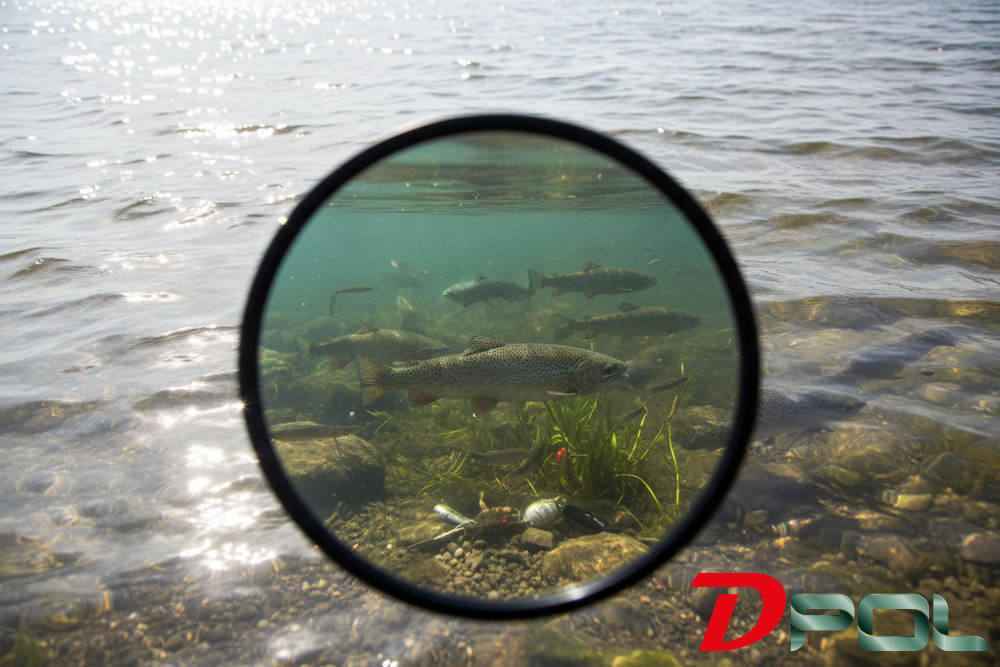
For anglers, polarized glasses are an essential tool. These lenses reduce glare from the water’s surface, improve contrast, and allow for clearer visibility of fish, underwater structures, and currents. By minimizing reflections and eye strain, polarized glasses enable fishermen to detect subtle movements and shadows beneath the water, improving both performance and enjoyment. They also provide UV protection, which is crucial during long hours spent outdoors.
- Reduced water glare
- Sharper underwater visibility
- Less eye fatigue
- UV protection
- Better contrast perception

Explore the fishing eyewear guide
Why polarized glasses matter Optical requirements Fishing environments Essential equipment Eye protection Lens options & tints Advantages of polarized lenses Frames, comfort & fit How to choose FAQ
Why Polarized Glasses Matter in Sport Fishing
Choosing high-quality polarized glasses for sport fishing is essential for protecting your eyes under all lighting and weather conditions. The unpredictable nature of fishing environments ranging from bright sun, reflective water, sudden clouds, wind, spray, and changing shorelines demands eyewear that allows you to fully immerse yourself in the experience while maintaining focus on performance, visual comfort, and safety.
In real fishing use, the right glasses must do more than simply darken vision. They must help the eyes remain relaxed over long exposure, preserve contrast when the water surface changes rapidly, maintain a wide and natural field of view while scanning currents and underwater structure, and stay secure during casting, retrieval, walking on uneven banks, or moving on a boat.
Whether you are fishing in freshwater or saltwater, from the shore, from a boat, or along rivers and lakes, technical eyewear should remain a support, never a distraction: stable on the face, clear in changing light, comfortable over many hours, and capable of improving the way you read the water.
Water glare control Reduce bright horizontal reflections that make it difficult to see below the surface.
Sharper fish detection Improve the visibility of fish, shadows, currents, weed lines, rocks, and submerged structure.
Long-session comfort Minimize eye strain and fatigue during prolonged exposure to sun and water reflection.
Reliable outdoor protection Support visual performance while protecting the eyes from UV exposure and environmental stress.

Optical Requirements for Polarized Glasses for Fishing
Although fishing can take place in rivers, lakes, lagoons, seas, and oceans, the optical and functional requirements for eyewear remain closely connected. The ideal fishing glasses must balance protection, visual precision, stability, and all-day comfort, allowing the angler to remain focused on the water, the fish, and the surrounding environment.
Wide and controlled vision
Fishing glasses should support a broad field of view so that fish movement, floating debris, structure changes, shoreline transitions, and current lines remain easy to interpret without visual interruption.
Protection from sun, glare, and reflections
On the water, the eyes are continually stressed by sunlight, reflections, lateral brightness, and prolonged exposure. Technical eyewear helps reduce irritation, preserve concentration, and improve reading of the surface.
Secure fit during movement
During casting, lure retrieval, wading, walking on rocks, or navigating a boat, glasses should remain stable without creating pressure points. A secure fit improves both confidence and comfort.
Adaptation to changing light
Fishing environments often alternate between open sun, shaded banks, overcast weather, sunrise and sunset light, and reflective surfaces. Lens and tint choice becomes especially valuable in these situations.
Comfort over long distances and long sessions
The longer the fishing session, the more important it becomes that the glasses feel natural on the face and never turn into a distraction.
From Rivers to Open Water: the Same Fishing Philosophy, Different Visual Demands
Sport fishing is a recreational activity enjoyed worldwide that combines skill, patience, and a connection with nature. Unlike commercial fishing, which aims to harvest fish for sale or consumption, sport fishing focuses on the pleasure of the angler, the challenge of catching fish, and the enjoyment of time spent outdoors. It can be practiced in diverse environments, including rivers, lakes, lagoons, seas, and oceans, and often emphasizes catch-and-release practices to help preserve aquatic ecosystems.
Different fishing environments share the same passion for outdoor performance, but they expose the eyes to different visual stresses. Understanding these differences helps anglers choose polarized glasses that truly match how and where they fish.
Rivers and Streams
Often involve alternating shadows, moving reflections, rocks, vegetation, shallow structure, and rapidly changing reading angles. In these contexts, contrast and clarity are especially important.
Lakes and Lagoons
Require visual control over broader surfaces, calmer reflections, subtle fish movement, weed beds, drop-offs, and changing light during long sessions.
Sea and Coastal Fishing
Demand greater glare control, strong visual comfort, and reliable eye protection against intense sunlight, saltwater reflection, and open-space brightness.
Boat and Offshore Use
Increase the importance of stable fit, reduced slippage, wraparound coverage, and durable materials that remain reliable despite spray, wind, and constant movement.
Good fishing glasses should improve the angler’s ability to read the water, not just reduce brightness. That difference is what makes polarized lenses so valuable in real sport fishing conditions.
Sport Fishing: Equipment, Techniques, and Best Practices
The choice of equipment is crucial in sport fishing, as it directly affects both the effectiveness of your fishing and your overall enjoyment. Selecting gear depends on factors such as the species of fish, the fishing environment, the angler’s preferences, and the technique being used.
Essential Sport Fishing Equipment
1
Fishing Rod
Fishing rods, also known as poles, are crafted from materials such as graphite, fiberglass, or carbon fiber. Each material affects the rod’s sensitivity, durability, and action. Graphite rods, for instance, are lightweight and highly sensitive, making them ideal for detecting subtle bites, while fiberglass rods are more durable and flexible, suitable for larger or more aggressive fish. Rod lengths and actions vary depending on the type of fishing, whether it’s river, lake, or saltwater fishing.
2
Reel
The reel is used to spool, release, and retrieve fishing line. Common types include spinning reels, baitcasting reels, and fly reels. The choice of reel depends on the type of fish, line strength, and fishing technique. A well-matched rod and reel combination ensures smooth casting, efficient line control, and better handling of fish during retrieval.
3
Fishing Line
Fishing lines are available in monofilament, braided, and fluorocarbon varieties. Monofilament is flexible and versatile, braided line is extremely strong with minimal stretch, and fluorocarbon is nearly invisible underwater and highly resistant to abrasion. Choosing the right line is critical to strength, sensitivity, and presentation of the bait or lure.
4
Hooks
Hooks come in various sizes and shapes, designed to match the species being targeted and the type of bait used. From small hooks for panfish to larger hooks for predatory species, selecting the appropriate hook ensures a higher success rate and reduces harm to fish during catch-and-release.
5
Bait
Bait can be live (worms, minnows, crabs, insects) or artificial (crankbaits, spinnerbaits, jigs, flies). The choice depends on the fish species, water conditions, and angler preference. Using the right bait is crucial for attracting fish efficiently.
6
Floats and Bobbers
Floats are used to signal fish bites and can be fixed or sliding, depending on fishing depth and technique. They help anglers detect subtle nibbles and provide a visual cue for timing the hook set.
7
Fly Fishing Gear
Fly fishing requires specialized equipment, including a fly rod, fly reel, fly line, and artificial flies. This technique mimics the movement of insects on the water surface and demands precision casting skills.
8
Accessories
Additional tools enhance convenience and safety. Common accessories include fishing scissors, hook pliers, protective gloves, landing nets, and tackle bags to organize and transport gear.
9
Clothing and Protective Gear
Proper attire improves comfort and safety. Depending on the environment, anglers may use hats, polarized sunglasses, fishing vests, waders, waterproof boots, or life jackets. Polarized glasses are especially important, as they reduce glare on the water surface, improve visibility of fish and underwater structures, and protect the eyes from UV exposure.
Eye Protection in Sport Fishing
Protecting your eyes is a critical consideration for sport fishermen, as anglers often spend long hours outdoors exposed to direct sunlight and reflective surfaces like water, sand, or snow. Prolonged exposure can lead to eye strain, fatigue, and long-term damage from ultraviolet (UV) radiation, making proper eyewear essential for both comfort and safety.
Eye protection in fishing should be evaluated not only by lens darkness, but by how well the glasses preserve contrast, manage glare, maintain comfort, remain stable during movement, and support concentration over extended periods. In fishing, a relaxed eye is a more efficient eye, especially when visual decisions must be made quickly and repeatedly.
Key Considerations for Eye Protection
1. Polarized Sunglasses
Polarized lenses are particularly effective for fishing because they reduce glare from the water surface, allowing you to see beneath the surface more clearly. This not only improves your ability to spot fish, underwater structures, and currents but also reduces eye strain during long periods of activity. High-quality polarized lenses also provide 100% UV-A and UV-B protection, shielding your eyes from harmful rays that can cause long-term damage.
2. Wraparound Frames
Sunglasses with wraparound frames offer enhanced protection by blocking sunlight from entering the eyes at the sides. This design not only improves coverage but also prevents reflections from the water and other surfaces from distracting you while fishing. Wraparound frames also offer better stability during movement, ensuring the sunglasses stay in place during active casting or navigating uneven terrain.
3. Comfort and Fit
For optimal performance, choose sunglasses that fit comfortably and securely. Features such as adjustable nose pads, rubberized temple grips, and flexible frames help keep the eyewear stable, even during vigorous activity. A proper fit ensures you can focus on fishing without being distracted by slipping or uncomfortable glasses.

Lens Options and Tints for Sport Fishing
The choice of lens color and tint can greatly impact your performance. Darker lenses are ideal for bright, sunny conditions, providing maximum glare reduction and visual comfort. Lighter or amber lenses are better suited for low-light conditions, such as early morning, late afternoon, or overcast days, enhancing contrast and visibility. Some anglers may also prefer photochromic lenses, which automatically adjust tint based on light intensity, offering versatility across varying conditions.
The main lens choice in fishing is not simply aesthetic. It is functional. Different lens solutions answer different fishing situations: bright open water, changing cloud cover, shaded riverbanks, early morning starts, late afternoon sessions, coastal glare, and long days in which light conditions can change significantly from one hour to the next.
Polarized Lenses
Polarized lenses are specifically designed to enhance visual clarity and reduce glare, making them an excellent choice for sport fishing. By filtering reflected light from the water surface, these lenses prevent the intense glare that can cause eye strain, fatigue, and reduced visibility.
They are especially valuable when the angler needs to identify fish movement, read underwater features, and distinguish between shallow structure, deeper channels, vegetation, and surface reflections.
Darker Lenses for Bright Conditions
Darker lenses are ideal for open water, bright midday sun, and highly reflective conditions where visual comfort becomes decisive. They help preserve concentration without excessive squinting and support a more relaxed, controlled fishing experience.
Lighter or Amber Lenses for Low-Light Conditions
Lighter or amber lenses are better suited for low-light conditions, such as early morning, late afternoon, or overcast days. In these situations, the goal is not only glare reduction but also maintaining contrast and keeping fish, shadows, and structure easier to interpret.
Photochromic Lenses for Changing Light
Some models may also include photochromic features, automatically adjusting tint in response to changing light levels. This makes them particularly useful for anglers who fish across variable weather or move between shaded banks and brighter open water.
Some sunglasses for fishing come with hydrophobic or anti-scratch coatings, which repel water droplets and protect against damage from hooks, branches, or accidental drops. Ventilated designs can reduce lens fogging, ensuring clear vision at all times.
Polarized Glasses: A Must-Have for Sport Fishing
Glasses with polarized lenses are an indispensable accessory for sport fishing. Designed to enhance visual clarity in bright and reflective environments, these specialized lenses significantly reduce or eliminate glare from the water’s surface, allowing anglers to clearly see below the surface. This improved visibility is particularly valuable for locating fish, monitoring their movements, and identifying underwater structures or potential hiding spots, giving anglers a competitive edge and a more rewarding fishing experience.
Advantages of Polarized Lenses for Sport Fishing
1. Reduction of Reflections
Polarized lenses filter out horizontal light reflections from the water surface. This eliminates distracting glare, providing a clearer, sharper view of what lies beneath. Whether spotting fish near the shore or observing submerged rocks, polarized lenses make underwater details far more visible.
2. Enhanced Contrast
By improving contrast between objects and their background, polarized lenses make submerged items, fish, and underwater structures more distinct. This heightened contrast allows anglers to detect subtle movements and distinguish between various underwater textures, improving accuracy when casting or choosing bait.
3. Protection from UV Rays
Polarized fishing glasses also serve as critical UV protection, shielding the eyes from harmful ultraviolet rays. Prolonged exposure to sunlight, especially on reflective surfaces like lakes or oceans, can lead to eye fatigue and long-term damage. Polarized lenses help preserve eye health during extended fishing trips.
4. Visual Comfort
By minimizing glare and bright reflections, polarized lenses reduce eye strain and fatigue, allowing anglers to fish comfortably for longer periods. This enhanced visual comfort also contributes to better focus and precision, improving overall performance.
5. Safety on the Water
Improved clarity with polarized lenses helps anglers spot underwater obstacles, rocks, and debris, reducing the risk of accidents or damage to equipment. Knowing exactly where hazards are located enhances both safety and confidence during fishing excursions.
6. Adaptability to Light Conditions
Polarized lenses are available in a variety of tints and colors, each suited to specific lighting and environmental conditions. Darker lenses are ideal for bright, sunny days, while lighter or amber-tinted lenses improve visibility in overcast or low-light conditions. Some models may also include photochromic features, automatically adjusting tint in response to changing light levels.
7. Durability and Additional Features
Many polarized fishing glasses include water-repellent coatings, scratch-resistant surfaces, or anti-fog treatments, ensuring long-lasting performance even in challenging conditions. These features enhance durability while maintaining optimal clarity on the water.
DEMON has developed a line of polarized glasses specifically for sport fishing. The polarized polycarbonate lenses are not only lightweight but also offer numerous visual advantages. They eliminate horizontal light reflections, allowing you to see beneath the water's surface, which helps you accurately aim your casts and increases your chances of success.
Furthermore, polarized lenses are crucial for sport fishing, as they keep your eyes relaxed even during prolonged use in intense sunlight.
Key Benefits of Polarized Lenses for Sport Fishing
1. Better Contrast Perception
Polarized lenses enhance contrast between objects and their surroundings, making underwater structures, fish, and shadows more distinguishable. This improved perception allows anglers to accurately detect fish movements and subtle changes in the water, giving them a clear advantage when casting and selecting bait.
2. Clearer Vision
By reducing glare from the sun and reflections on the water’s surface, polarized lenses provide sharper, clearer vision, helping anglers maintain focus for longer periods. This clarity not only improves accuracy but also reduces eye strain and fatigue, especially during extended fishing sessions.
3. Preservation of Natural Colors
High-quality polarized lenses maintain the true colors of the surrounding environment, ensuring that fish, vegetation, and underwater terrain appear natural. This prevents distortion that could mislead anglers and enhances the overall fishing experience.

High-Quality Frame Design
The DEMON fishing glasses line features frames made from TR90, a high-performance blend of nylon and carbon fiber. This material is 20% lighter than conventional frames, providing exceptional comfort during long hours on the water. TR90 is also durable and flexible, resistant to impacts, temperature changes, and mechanical stress.
The temples and nose pads are lined with soft, hypoallergenic rubber, ensuring a secure and comfortable fit. Some models also include adjustable nose pieces, allowing for a customized fit that accommodates various facial shapes while preventing light from leaking in at the sides.
For fishing, frame design matters just as much as lens quality. Lightweight construction reduces pressure on the nose and temples during long sessions. Flexible materials help the glasses adapt more naturally to movement, while stable contact points improve confidence when casting, handling gear, or navigating wet and uneven surfaces.
Wraparound geometry, side protection, secure grip, and low overall weight all contribute to making technical fishing eyewear feel supportive rather than distracting. In demanding outdoor use, a stable frame helps the angler focus on the water instead of adjusting the glasses repeatedly.
Choosing the Right Polarized Glasses for Sport Fishing
When selecting sport fishing glasses, it is essential to choose high-quality polarized lenses that offer:
- Enhanced eye protection against harmful UV rays
- Improved vision in bright and reflective conditions
- Durability to withstand outdoor environments
Comfort and secure fit are equally important, as they allow anglers to wear the glasses for extended periods without distraction. A well-fitted pair ensures that no light enters from the sides, maintaining optimal visual clarity.
Investing in a pair of polarized fishing glasses from DEMON can significantly enhance your sport fishing experience. By improving contrast, reducing glare, preserving natural colors, and offering lightweight, durable frames with a comfortable fit, these glasses increase your chances of success while protecting your eyes during long days outdoors.
What to Evaluate Before Choosing
- How reflective the water surface usually is in your fishing environment
- Whether you fish mostly in full sun, low light, or changing weather
- How important all-day comfort is for your typical session duration
- Whether you need a more wrapped shape for extra side protection
- How stable the glasses need to remain during casting and movement
Why the Right Choice Improves Performance
The right glasses help preserve concentration, improve reading of the water, reduce visual fatigue, and make underwater details easier to identify. In sport fishing, better visual control often means better timing, better decisions, and a more rewarding experience on the water.
FAQ: Polarized Glasses for Fishing
Why are polarized glasses important for sport fishing?
Polarized glasses are important because they reduce glare from the water’s surface, improve contrast, and allow for clearer visibility of fish, underwater structures, and currents. They also reduce eye strain and provide UV protection during long hours outdoors.
Do polarized lenses really help you see fish better?
Yes. By filtering horizontal reflections from the water surface, polarized lenses make fish, shadows, submerged structures, and changes in the underwater environment easier to detect.
Which lens tint is best for fishing?
Darker lenses are ideal for bright, sunny conditions, while lighter or amber lenses are better suited for low-light conditions such as early morning, late afternoon, or overcast days. The best choice depends on where and when you usually fish.
Are wraparound frames useful for fishing?
Yes. Wraparound frames offer enhanced protection by blocking sunlight from entering the eyes at the sides, improving coverage, reducing distractions from reflections, and increasing stability during movement.
What comfort features matter most in fishing glasses?
Reliable fit, adjustable nose pads, rubberized temple grips, flexible frames, low weight, and side protection all contribute to making eyewear feel comfortable and stable during long fishing sessions.
Can polarized fishing glasses reduce eye fatigue?
Yes. By minimizing glare and bright reflections, polarized lenses reduce eye strain and fatigue, allowing anglers to fish more comfortably for longer periods while maintaining better focus.