




Polarized Glasses for Fishing
DEMON Fishing Eyewear Guide
Polarized Fishing Glasses: Read the Water with Less Glare
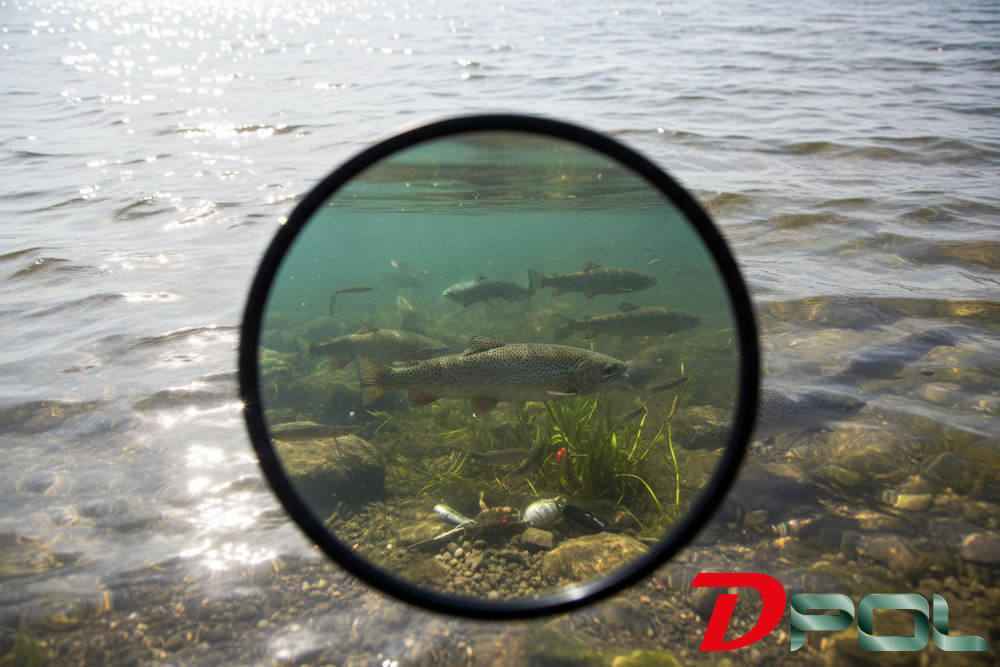
When sunlight reflects from a river, lake or sea surface, it can conceal the details an angler wants to observe. Polarized glasses for fishing reduce much of this distracting reflected light, making it easier to look for fish movement, submerged vegetation, changes in depth and structure beneath the surface.
Choosing fishing sunglasses is not simply a question of picking the darkest lenses. The most useful combination depends on polarization, lens tint, light transmission, side coverage and fit. The right balance differs between a shaded trout stream at daybreak and an exposed boat on a bright summer afternoon.
Explore DEMON fishing eyewear with this practical guide to glare management, freshwater and saltwater conditions, lens-color selection and secure all-day comfort.
- Reduced water glare
- Better visibility of submerged detail
- Sport-specific tint selection
- Comfort during long sessions

How Polarized Fishing Sunglasses Reduce Surface Glare
Sunlight reaching water is partly reflected toward the observer. On many water surfaces, a substantial component of that reflection is horizontally polarized. A polarized sunglass lens contains a filter oriented to reduce that component, so the bright sheen interfering with the view is diminished. This is the central reason polarized sunglasses for fishing can offer a meaningful advantage over conventional tinted lenses.
Polarization does not remove every reflection or guarantee visibility through water. Its benefit depends on the direction of incoming light, the angle from which you look, waves, suspended sediment and the depth of the object. A cloudy or muddy river will not suddenly become clear when viewed through polarized lenses.
Reflected glareReduces the bright surface reflections that can dominate your field of view.
Visual separationMakes selected details beneath or near the surface easier to distinguish when water conditions allow.
Less squintingMay improve comfort during prolonged periods of scanning reflective water.
Useful orientationImproves observation without replacing attention to weather, currents or safe footing.
Polarized is not the same as dark, mirrored or UV-protective. Polarization controls a particular type of reflected visible light. Tint sets the overall brightness of the view; mirror coatings modify external reflectance; UV protection is a separate lens specification.

What Can You See More Clearly Through Polarized Fishing Lenses?
On suitable water, glare reduction can reveal submerged rocks, aquatic plants, sand transitions, shallow drop-offs, fish silhouettes and movement that might be concealed by surface reflections. For sight fishing, this can support decisions about where to cast and how to present a lure or fly.
Moving your position or changing the angle of your gaze can noticeably alter the result. Looking across the surface, looking nearly straight down and observing a choppy stretch do not produce identical reflection patterns. Water clarity remains decisive.
Realistic expectation: polarized glasses can improve the opportunity to identify underwater details, but fish visibility and catch success are never guaranteed by eyewear.
Polarized Glasses for Freshwater and Saltwater Fishing
The same anti-glare principle applies in different fishing locations, but the light level, background and typical viewing angle change what works best.
Rivers and Streams
Shaded banks, moving current, exposed gravel and overhanging trees create alternating light. A lens that is too dark can conceal detail in shaded pools. Consider contrast and a suitable visible-light transmission for the time of day.
Lakes and Reservoirs
Broad reflective areas make polarization helpful when examining weed beds, shoreline structure, submerged timber and shallows. Open-sky exposure may call for a darker lens than sheltered river fishing.
Sea and Coastal Fishing
Bright horizons, spray, saltwater reflection and extended exposure make glare reduction, UV specification and secure coverage important. Choose materials and maintenance routines suitable for frequent salt contact.
Boat and Offshore Fishing
Constant movement changes your viewing angle. Prioritize an eyewear fit that remains secure when leaning over the gunwale, casting or moving about the deck, and check visibility of onboard electronic displays.
There is no universally best lens darkness for every fishing location. Match the particular lens to the brightness you normally encounter.
Matching Polarized Fishing Glasses to Your Fishing Technique
Fly Fishing and Sight Fishing
When watching a trout holding near the bottom or tracking a fish in a clear shallow area, managing water-surface glare can make small changes in silhouette and position easier to notice. A suitable amber, copper or brown lens may help with contrast, depending on its actual filter characteristics.
Spinning and Lure Fishing
Looking for edges between weed and open water, rocky structure and fish following a lure requires frequent scanning. Lightweight wraparound fishing eyewear with reliable grip is useful when casting repeatedly or moving between positions.
Rock, Shore and Surf Fishing
Exposed coastlines combine wind, salt spray, horizontal glare and moving water. A darker tint can be comfortable in bright sun, but preserve enough visibility to recognize slippery footing and obstacles.
Boat Fishing
Long exposure and reflections from both the sea and boat fittings make UV-protective lenses and secure frames important. If you use GPS, sonar or an LCD fish finder, check its readability through the lenses before departure.
Choosing a Lens Tint for Fishing: Grey, Brown, Amber and Mirrored Finishes
Polarization determines how reflected glare is filtered. Lens color and visible-light transmission (VLT) influence the brightness and color balance of the scene. Two polarized lenses can therefore give very different experiences on the same stretch of water.
| Lens option | Typical advantage | Best conditions to evaluate |
|---|---|---|
| Grey / smoke | Generally neutral color rendering with reduced overall brightness | Bright open water, sea fishing and sunny days |
| Brown / copper | Warmer visual balance and potentially useful separation of natural backgrounds | Rivers, lake margins and mixed natural terrain |
| Amber / lighter tint | May retain more usable light, according to the actual lens VLT | Overcast weather and shaded banks |
| Mirrored polarized | Combines a polarized filter with an exterior mirror treatment | Bright exposed locations; effect depends on the lens configuration |
These are selection principles, not a claim that every tint or combination is available in every DEMON model. Consult the specifications of the individual product.
For long, bright sessions, a category 3 sunglass lens may be appropriate. For early morning or heavily shaded water, a lighter option may be preferable. Do not choose a dark lens simply because it is marketed for fishing; a lens suitable at noon may limit visibility near dusk.
See also sports glasses with polarized lenses for the wider multi-sport selection and photochromic sports glasses for adaptive-tint alternatives; photochromic behavior does not by itself imply polarization.
UV Protection, Hooks, Wind and Other Fishing Hazards
Fishing involves more than reflected sunlight. Wind-driven particles, spray, low-angle sunlight and unexpected contact with equipment can affect comfort and eye safety. A sufficiently wrapped sunglass shape helps limit some peripheral exposure, while a stable fit reduces the chance that glasses move during a cast.
UV protection is separate from polarization. Always check the actual UV-protection declaration for the product you choose. A dark tint alone is not evidence of better UV filtering.
Ordinary sports sunglasses should not be assumed to provide certified protection against flying hooks, sinkers or other high-energy impacts. Where a particular activity presents a significant projectile risk, use eye protection that has an appropriate impact rating.
Frame material, lens material, nose-pad adjustments and special coatings vary by model. Avoid treating any one of these features as universal across the entire fishing collection.

Frame Fit for Long Fishing Sessions
When you are wading, standing on rocks, operating a reel or scanning water from a moving boat, the eyewear should stay in position without pressing uncomfortably against the nose and temples. Stability is especially important when sweat, sunscreen or spray affects the contact surfaces.
Bridge contactCheck that the frame rests securely without slipping or pinching.
Temple gripA comfortable hold matters when looking down, leaning forward or casting.
Side coverageWraparound geometry can limit stray light entering around the lenses.
Long-wear balanceWeight distribution and pressure points often matter more than grams alone.
Try the glasses with the hat or cap you actually wear while fishing. Check that the temples do not create uncomfortable pressure and that the lens position stays consistent when turning your head or looking toward the water.

How to Choose Polarized Glasses for Fishing
- Identify your water: river, reservoir, rocky shore, sea or offshore boat.
- Assess the light: shaded mornings, mixed cloud or sustained bright sun.
- Choose the lens behavior: polarization for water reflections, an appropriate tint for brightness and verified UV protection.
- Check the frame: bridge, side coverage, grip and comfort with your hat.
- Consider your equipment: make sure navigation displays, phones or fish finders remain legible.
- Review product specifications: confirm available colors, coatings, lens categories and any model-specific accessories.
For other outdoor activities involving water, explore glasses for water sports. Fishing remains a distinct use case because reading the surface and spotting underwater structures are central priorities.
Cleaning and Caring for Polarized Fishing Sunglasses
Fine sand, dried salt and spray can damage surfaces when wiped without rinsing. After coastal or boat use, rinse your glasses in clean fresh water, allow excess water to drain, then clean with a soft microfiber cloth. Use only lens-compatible cleaning products and follow the care instructions for the specific model.
Store eyewear in an appropriate case when not in use, especially in tackle bags containing hard or sharp objects. Avoid leaving glasses exposed to unnecessarily high temperatures and inspect lenses and frames before each session.
Frequently Asked Questions About Polarized Fishing Glasses
Do polarized fishing glasses really help you see fish beneath the surface?
They can make fish, weed beds and submerged structure easier to distinguish by reducing reflected glare at the water surface. Results depend on viewing angle, water clarity, depth, lighting and surface movement; polarization does not make opaque water transparent.
Which lens color is best for fishing in bright sunlight?
Grey or smoke tints are commonly preferred for exposed lakes, boats and coastal fishing because they reduce overall brightness while keeping a relatively neutral view. Check the visible-light transmission and the specific lens details before choosing.
Are brown or amber polarized lenses useful for river fishing?
Brown, copper and amber tints can be useful when anglers want stronger differentiation between rocks, vegetation, shallows and shadows. Actual contrast depends on the lens design and light conditions, not the tint name alone.
Can polarized sunglasses be used for early-morning fishing?
Yes, if the lens is light enough for the available illumination. Dark lenses intended for strong midday sunlight may be unsuitable at dawn, dusk or under dense tree cover. Choose the tint and category for your conditions.
Does polarization automatically provide UV protection?
No. The polarizing filter reduces certain reflected visible light; UV protection is a separate property. Verify the UV-protection specification on the individual product.
Are polarized fishing glasses the same as mirrored fishing glasses?
No. Polarization is an internal filtering function, while a mirrored finish is a surface treatment that affects reflected light and appearance. A lens may be polarized and mirrored, polarized without a mirror finish, or mirrored without polarization.
Can polarized fishing glasses make an LCD fish finder difficult to read?
Sometimes. Polarized lenses can darken or alter the visibility of certain LCD screens, depending on screen and head orientation. Test visibility of your fish finder, phone or boat instruments before relying on them.
What frame shape works well for fishing from a boat?
Look for secure nose and temple contact points, good side coverage and a shape that stays in place when bending, casting or moving on deck. Wind, salt spray and prolonged wear also make comfort and easy cleaning important.
Are wraparound fishing sunglasses suitable for people with different face shapes?
A wraparound design can limit unwanted lateral light, but fitting varies between models and faces. Evaluate lens width, bridge contact, temple length and pressure points rather than assuming one shape fits everyone.
Do polarized glasses eliminate all water reflections?
No. They reduce many reflections, particularly light polarized by the water surface, but their effect varies with viewing angle, surface movement and other optical conditions.
How should fishing glasses be cleaned after saltwater use?
Rinse off salt and sand with clean fresh water before wiping, then use a clean microfiber cloth and a lens-safe cleaning product if required. Follow the specific product instructions and avoid abrasive materials.
Can one pair cover both freshwater and saltwater fishing?
Often, provided the lens tint suits your usual brightness and the fit works for both. Anglers who move between heavily shaded rivers and very bright open water may prefer different tint options or more than one pair.