
-
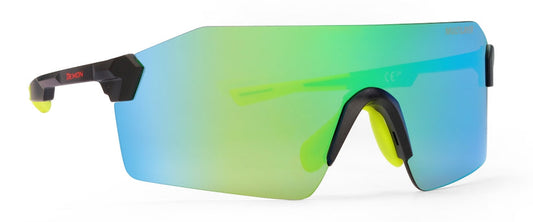
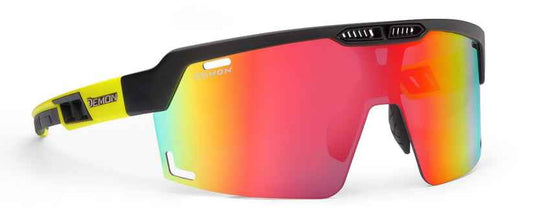
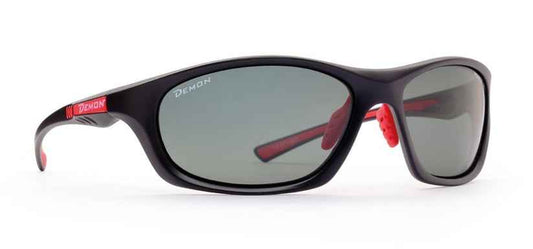
SPEED VENT
Vendor:Cycling Glasses with High Contrast Mirrored LensRegular price €69,90Regular priceUnit price per -

 Sale
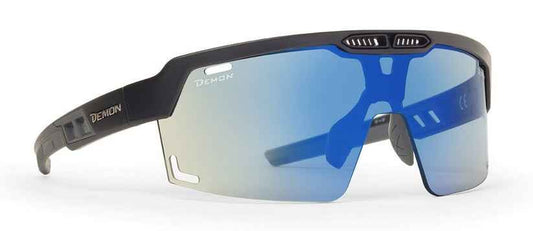
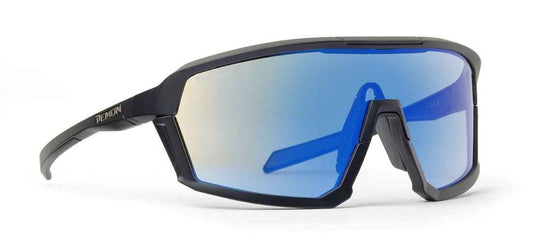
SaleSUPERPIUMA
Vendor:Cycling Glasses with High Contrast Mirrored LensRegular price From €71,91Regular priceUnit price per€79,90Sale price From €71,91Sale -

 Sale
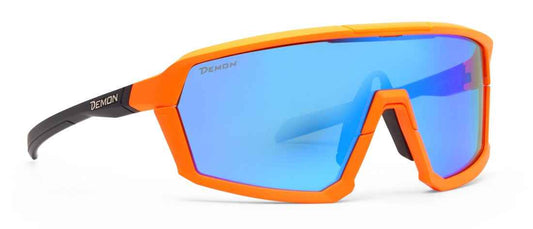
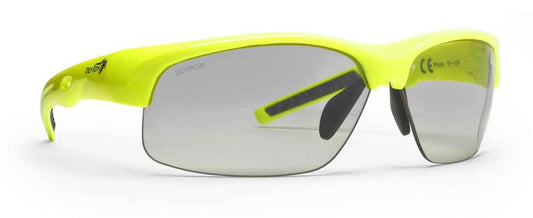
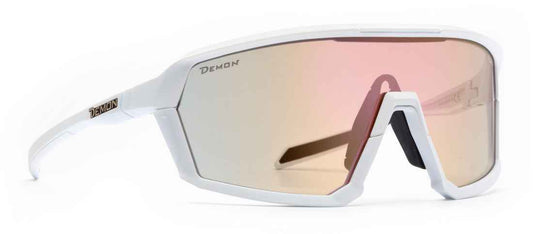
SaleSPEED VENT
Vendor:Cycling Glasses with Photochromic Mirrored Lens DCHROM® Cat. 1-3Regular price From €116,91Regular priceUnit price per€129,90Sale price From €116,91Sale -

 Sale
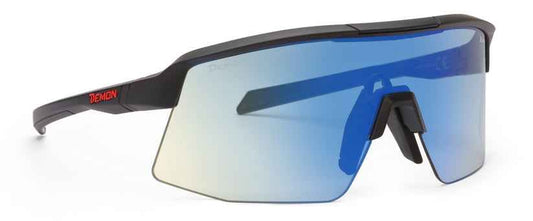
SaleINFINITE OPTIC
Vendor:Cycling Glasses with Interchangeable Lenses DCHANGERegular price €63,92Regular priceUnit price per€79,90Sale price €63,92Sale -
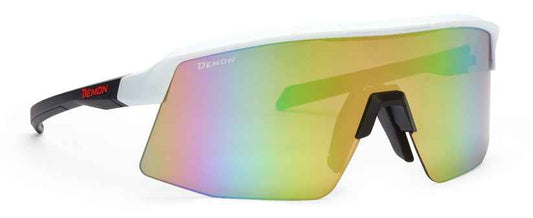
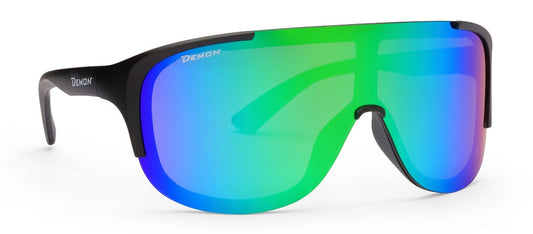
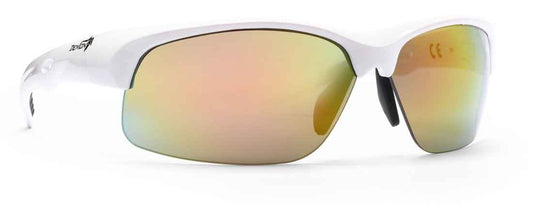
INFINITE OPTIC 2
Vendor:Cycling Glasses with Mirror LensesRegular price €69,90Regular priceUnit price per














Collection: Women's Cycling Glasses

Women's Cycling Glasses
Women's cycling has evolved into a dynamic and highly visible sport encompassing multiple competitive disciplines, including road cycling, track racing, mountain biking, and cyclocross. In recent years, the popularity of women’s cycling has grown significantly, with greater media coverage, sponsorship opportunities, and international competitions highlighting the sport’s development.
Female cyclists compete in a wide variety of events ranging from one-day races to multi-stage tours and prestigious world championships. Notable road races include the Giro d’Italia Femminile (Giro Rosa), La Course by Le Tour de France, and Strade Bianche Donne, which showcase both endurance and tactical skill at the highest level. These competitions are increasingly broadcast live, enhancing visibility and inspiring the next generation of athletes.
Organizations such as the Union Cycliste Internationale (UCI) are actively working to promote gender equity in cycling. Initiatives include increasing prize parity, improving access to professional racing, expanding sponsorships, and boosting media coverage for female athletes. Today, numerous professional women’s teams compete globally, reflecting the sport’s growing professionalism and competitiveness.
The rise of women’s cycling has also fostered a robust community of enthusiasts and amateur cyclists. Women of all ages participate in group rides, charity events, rallies, and local races, creating a supportive and empowering environment. These communities play a vital role in encouraging participation, building skills, and nurturing a passion for cycling beyond the professional arena.
Women’s cycling glasses are an essential part of this experience, offering protection, comfort, and performance for athletes and enthusiasts alike. High-quality cycling glasses shield the eyes from UV rays, wind, dust, and debris, while also improving visibility and reducing glare during long rides. Lightweight, durable frames and specialized lenses designed for women ensure both fit and comfort, allowing athletes to focus on performance and safety, whether training, competing, or enjoying recreational cycling.
As women’s cycling continues to gain momentum, advocacy for equal opportunities, visibility, and resources alongside male counterparts remains a central goal. Female cyclists not only compete at the highest level but also serve as role models, inspiring young women to take up the sport and contribute to a more inclusive and equitable cycling community.

Features of Women’s Cycling Glasses
Women’s cycling glasses are purpose-built to meet the specific needs of female cyclists, combining performance, comfort, and protection. These glasses are designed to enhance visual clarity, safeguard the eyes from environmental hazards, and maintain stability during long rides or intense races. Here’s a closer look at the key features that define high-quality women’s cycling glasses:
Frame Design:
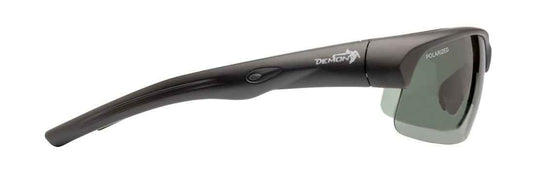
The frames of women’s cycling glasses are lightweight yet durable, often crafted from high-strength materials such as nylon, carbon fiber, or advanced polymers. These materials provide a balance of flexibility and rigidity, ensuring the glasses conform comfortably to the face without compromising protection. Many models feature a wraparound design, which not only improves fit but also offers enhanced lateral coverage, shielding the eyes from wind, dust, and peripheral debris encountered during cycling.
Lenses:
High-performance lenses are at the core of women’s cycling glasses. They provide exceptional optical clarity for precise vision and quick reaction times. Many lenses are scratch-resistant and impact-resistant, offering durability on rough roads or trails. Advanced models feature interchangeable lenses, allowing cyclists to adapt to changing light conditions, such as bright sunlight, overcast skies, or low-light early morning or evening rides.
UV Protection:
Protection from harmful ultraviolet (UV) rays is a crucial feature. Women’s cycling glasses typically block at least 99% of UVA and UVB rays, reducing the risk of sun-induced eye damage, strain, and long-term vision problems. This is especially important for cyclists who spend extended hours outdoors.
Ventilation:
To maintain clear vision during high-intensity rides, many women’s cycling glasses incorporate ventilation systems. Strategically placed vents allow air to flow across the lenses, preventing fogging caused by sweat or rapid temperature changes. This ensures that cyclists can maintain optimal visibility without interruption.
Non-Slip Features:
A secure fit is essential when cycling at high speeds or navigating technical terrain. Non-slip nose pads and temple grips keep the glasses firmly in place, even during vigorous movement or when wearing a helmet. Adjustable components allow for a customized fit, enhancing both comfort and stability throughout the ride.
Extended Coverage:
Many women’s cycling glasses are designed with larger or curved lenses to provide extended side coverage. This protects the eyes from dust, wind, insects, and other environmental hazards, which is particularly valuable on open roads, trails, or during off-road cycling.
Style and Aesthetics:
While performance is paramount, women’s cycling glasses also consider aesthetic appeal, offering sleek, modern designs that complement helmets and cycling apparel. A well-fitting, stylish pair can boost confidence and encourage longer, more enjoyable rides.

Types of Lenses in Women’s Cycling Glasses
Choosing the right lenses is a critical factor in maximizing performance, comfort, and safety for women cyclists. The type of lens you select can significantly impact visual clarity, contrast, and protection in different lighting and weather conditions. Understanding the available options helps cyclists make informed decisions tailored to their specific riding environment.
Smoke Lenses
Smoke lenses, also known as gray or dark lenses, are a popular choice for women’s cycling glasses, especially for rides in bright or sunny conditions. These lenses are designed to reduce overall brightness without significantly altering color perception, allowing cyclists to maintain a natural and realistic view of their surroundings. By filtering out intense sunlight, smoke lenses help prevent eye strain and discomfort, which can occur during prolonged exposure to bright conditions.
One of the primary benefits of smoke lenses is their ability to minimize glare from reflective surfaces such as roads, water, or metallic objects, ensuring that cyclists can see clearly and react quickly to changes in terrain or obstacles. Enhanced contrast provided by these lenses allows for better depth perception, which is particularly valuable when navigating uneven roads, trails, or technical descents.
In addition to their performance advantages, smoke lenses are versatile and suitable for a wide range of outdoor conditions. They perform exceptionally well in full daylight and are ideal for open-road rides, high-altitude cycling, or exposed trail sections where direct sunlight is intense. Smoke lenses also offer UV protection, shielding the eyes from harmful UVA and UVB rays and reducing the long-term risk of sun-related eye damage.
Because of their combination of glare reduction, visual clarity, and natural color perception, smoke lenses are a practical and reliable choice for cyclists seeking comfort, safety, and optimal performance in sunny weather. They allow athletes to focus on technique, speed, and endurance without distraction, making them an essential feature of women’s cycling eyewear.

Polarized Lenses
Polarized lenses are a highly effective choice for women’s cycling glasses, especially for rides in bright light or environments with reflective surfaces. These lenses are designed with a special filter that blocks horizontally reflected light, reducing glare from surfaces such as wet asphalt, puddles, snow, or water. By eliminating this blinding reflection, polarized lenses enhance visual clarity and comfort, allowing cyclists to maintain focus and react quickly to road or trail conditions.
One of the key benefits of polarized lenses is their ability to improve depth perception and contrast, making it easier to identify obstacles, road texture, and changes in terrain. This feature is particularly valuable during long rides on open roads, coastal routes, or trails with reflective surfaces, where glare can otherwise cause eye strain, headaches, or temporary vision impairment.
In addition to glare reduction, polarized lenses often provide UV protection, safeguarding the eyes from harmful UVA and UVB rays. High-quality polarized lenses are typically also scratch-resistant and impact-resistant, ensuring durability and long-lasting performance for both training and competitive cycling.
While polarized lenses excel in bright, reflective conditions, some cyclists prefer to combine them with tinted or photochromic lenses for versatility across changing light scenarios. This combination ensures maximum protection and visual clarity throughout the ride, whether under direct sunlight or through shaded sections.

Photochromic Lenses
Photochromic lenses are a highly versatile option for women’s cycling glasses, designed to adapt automatically to changing light conditions. These lenses darken when exposed to bright sunlight and lighten in low-light or overcast conditions, providing cyclists with optimal visual clarity and comfort throughout varying environments. This automatic adjustment eliminates the need to switch lenses during a ride, making them especially practical for long-distance cycling or races where light conditions can change frequently.
One of the key advantages of photochromic lenses is their ability to maintain consistent contrast and detail across different lighting scenarios. Whether riding through open sunny roads, shaded forest trails, tunnels, or early morning and late afternoon light, these lenses ensure that the cyclist’s vision remains clear and accurate. This can improve reaction time, enhance depth perception, and reduce eye strain caused by constantly adjusting to changing light.
In addition to their adaptive tinting, photochromic lenses typically provide full UV protection, blocking harmful UVA and UVB rays to safeguard the eyes during prolonged outdoor exposure. Many high-quality photochromic lenses are also scratch-resistant and impact-resistant, combining durability with functionality for both competitive and recreational cycling.
Photochromic lenses are particularly valued for all-day rides or multi-discipline events, such as triathlons, where cyclists encounter diverse lighting conditions over extended periods. Their versatility allows athletes to focus entirely on performance and safety without worrying about constantly changing glare or brightness levels.

Yellow or Orange Lenses
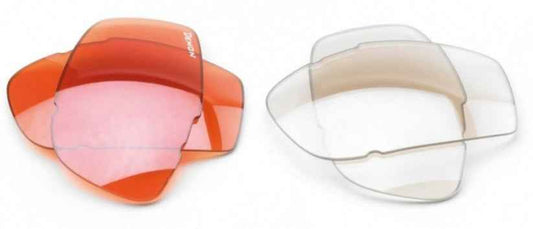
Yellow and orange lenses are specifically designed to enhance contrast and visual clarity in low-light conditions. By filtering out blue light, these lenses improve depth perception and highlight subtle variations in terrain, making obstacles, cracks, or uneven surfaces more visible. This feature is particularly valuable during dawn or dusk rides, foggy mornings, overcast weather, or shaded trails, where natural light is limited.
In addition to improving contrast, yellow and orange lenses can reduce eye fatigue by enhancing overall brightness without overexposing the eyes to glare. They are also helpful in urban environments with artificial lighting or on technical trails where rapid detection of changes in terrain is essential. These lenses allow cyclists to maintain confidence and precision, improving both safety and performance when visibility is compromised.
Clear Lenses
Clear lenses offer fundamental eye protection while preserving natural color perception, making them the most versatile choice for many cyclists. They shield the eyes from wind, dust, debris, insects, and other environmental hazards without altering how the rider perceives colors or brightness. This makes them ideal for low-light conditions, indoor cycling, rainy weather, or nighttime rides, where tinted lenses might reduce visibility or distort perception.
High-quality clear lenses are often scratch-resistant and impact-resistant, ensuring long-lasting protection even during intense rides or adverse weather. While they do not provide glare reduction or contrast enhancement like colored lenses, their unobstructed view allows cyclists to remain aware of their surroundings while staying safe from physical hazards.
Choosing Between Yellow, Orange, and Clear Lenses
- Yellow/Orange: Best for low-light, foggy, or shaded conditions; enhances contrast and depth perception.
- Clear: Ideal for night rides, indoor training, or rainy weather; protects eyes while maintaining natural vision.
Selecting the appropriate lens type depends on lighting conditions, time of day, and riding environment. For women’s cycling glasses, having multiple lens options or interchangeable lenses can provide maximum versatility, allowing cyclists to adapt quickly to changing conditions and maintain safety, comfort, and optimal performance.

Interchangeable Lenses in Women’s Cycling Glasses
Many women’s cycling glasses come equipped with interchangeable lenses, providing a versatile solution for cyclists who encounter varying lighting and environmental conditions. This feature allows athletes to swap lenses quickly and easily, choosing the most appropriate option for bright sunlight, overcast skies, low-light conditions, or foggy weather. By having multiple lens options at their disposal, cyclists can maintain optimal visual clarity, comfort, and safety regardless of changing conditions during a ride.
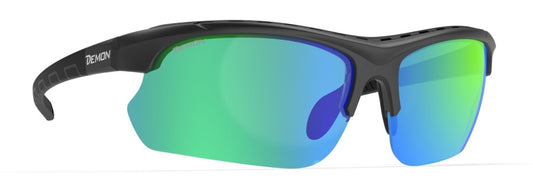
The adaptability of interchangeable lenses makes them especially valuable for long-distance rides, training sessions that span different times of day, or multi-terrain routes. For example, a cyclist may use smoke or mirrored lenses for bright, sunny segments, then switch to yellow or clear lenses when riding through shaded trails or tunnels. This flexibility helps athletes maximize performance while reducing eye strain and fatigue.
When selecting lenses, it’s important to consider several factors:
- Personal Preferences: Some riders prioritize contrast enhancement, while others focus on glare reduction or maintaining natural color perception.
- Cycling Discipline: Road cyclists, mountain bikers, and cyclocross riders may face different challenges, influencing lens choice. For instance, off-road trails may require lenses that enhance contrast and depth perception, whereas road cycling may emphasize glare reduction and UV protection.
- Environmental Conditions: Consider the typical weather, light exposure, and terrain you ride in most frequently, and select lenses suited to those conditions.
Additionally, seeking guidance from experienced cyclists or our knowledgeable operators can provide valuable insights, helping you choose the right lenses and glasses that meet your performance needs. Trying out different lens types during training can also help identify the most comfortable and effective options for your individual riding style.
Which Shape to Choose for Women’s Cycling Glasses?
Selecting the right shape of women’s cycling glasses is essential for both comfort and performance, as it directly affects fit, coverage, and visual experience. The ideal glasses should complement your face shape, provide adequate protection, and align with your personal aesthetic preferences. Here’s a closer look at the main styles and their benefits:
Wrap-Around Design:
Wrap-around glasses are designed to curve around the sides of the face, offering extensive coverage and protection from wind, dust, debris, and insects. This design also helps block peripheral light that can cause glare, enhancing visual comfort during bright rides. Wrap-around glasses are particularly beneficial for road cycling, high-speed descents, and open trail rides, where exposure to environmental elements is high.
Mask Shape:
Mask-shaped cycling glasses feature a single, continuous lens that covers both eyes, combining functionality with a sleek, modern appearance. This style is highly versatile and tends to adapt well to various face shapes, providing broad coverage and a sporty look. Mask glasses are popular among triathletes and competitive cyclists because they offer excellent protection while maintaining an aerodynamic profile.
Frameless Design:
Frameless or semi-rimless glasses remove the lower portion of the frame, creating a wider field of vision and enhanced ventilation. This design often feels lighter on the face and reduces pressure points, making it comfortable for long rides. Frameless glasses are ideal for cyclists who prioritize open, airy comfort and unobstructed sight lines, particularly in technical terrains or mountain biking.
Additional Considerations:
- Comfort and Fit: The glasses should sit securely without causing pressure on the nose, temples, or behind the ears. Adjustable nose pads and flexible temples can help achieve a personalized fit.
- Face Shape: Certain designs may suit specific face shapes better. For example, wrap-around styles generally fit narrower faces well, while mask shapes may complement wider facial structures.
- Activity Type: Consider your main cycling discipline road, mountain, or triathlon as the shape can affect protection, aerodynamics, and ventilation.
Ultimately, the best choice combines comfort, protection, and style. It’s advisable to try different models and shapes to determine which glasses feel secure, provide optimal coverage, and align with your visual preferences. Properly fitting glasses enhance performance, reduce fatigue, and allow cyclists to focus fully on their ride.

Disciplines of Use for Women’s Cycling
Women’s cycling spans a wide range of disciplines, each offering unique challenges, experiences, and benefits. From competitive sports to recreational and adventure riding, female cyclists can find a discipline that matches their interests, skill level, and goals.
Road Cycling
Road cycling is a highly popular discipline for both men and women, featuring dedicated races, teams, and competitive categories for female athletes. Women participate in road races, individual time trials, criteriums, and team events, demonstrating endurance, strategy, and technical skill.
In recent years, women’s road cycling has experienced significant growth in both professional and recreational arenas. This expansion has increased visibility for female athletes, provided opportunities to compete internationally, and inspired broader participation at all levels. Road cycling offers women a platform to challenge themselves physically, showcase athletic ability, and promote the benefits of sports and physical activity for women of all ages.
Mountain Biking
Mountain biking is another discipline widely embraced by women, with competitions and categories designed specifically for female riders. Women participate in a variety of mountain biking disciplines, including cross-country, enduro, downhill, and freeride. Events occur at national, regional, and international levels, including national championships, world championships, and UCI Mountain Bike World Cups.
The popularity of women’s mountain biking has surged due to initiatives supporting gender equality, including the formation of women-specific teams, training programs, and events tailored to female athletes. Mountain biking allows women to connect with nature, test their limits, and experience the excitement of off-road trails, making it both a challenging and enjoyable way to stay active while fostering a sense of community among fellow cyclists.
Gravel Cycling
Gravel cycling is an emerging discipline that blends elements of road cycling and mountain biking. It typically involves riding on mixed surfaces, including asphalt, gravel, and dirt, using specialized gravel bikes designed for versatility and comfort.
One of the defining aspects of gravel cycling is its inclusive, friendly, and community-oriented atmosphere. Many events focus more on completing the course and enjoying the ride than on strict competition, which has made gravel cycling particularly appealing for women seeking adventure, camaraderie, and the joy of exploration on two wheels. Its social and relaxed approach encourages participation across all skill levels, from beginners to experienced riders.

Cycle Touring
Cycle touring combines long-distance cycling with exploration and adventure, providing a way to discover new landscapes, cultures, and experiences. Women who enjoy cycle touring can embark on multi-day journeys, traveling at their own pace while connecting with nature and experiencing the freedom of life on two wheels.
Cycle touring promotes physical fitness, mental well-being, and personal growth, offering women the opportunity to plan routes, navigate diverse terrains, and share unforgettable experiences with friends, family, or other cyclists. Unlike competitive disciplines, cycle touring emphasizes journey and discovery over speed or performance, making it an accessible and rewarding option for women of all ages.
Safety Considerations for Women in Cycle Touring
Ensuring safety is one of the most important priorities for women participating in cycle touring, as it directly affects both the enjoyment and success of their journeys. Thoughtful preparation and precautionary measures are essential to minimize risks and create a secure riding experience, whether traveling solo, with a partner, or in a group.
Researching Destinations:
Before embarking on a tour, it is crucial to thoroughly research the chosen destination. This includes understanding the terrain, climate, road conditions, local traffic patterns, and any potential hazards. Learning about regional regulations, cultural norms, and emergency services helps cyclists anticipate challenges and navigate unfamiliar areas with confidence. Online resources, guidebooks, and advice from experienced touring cyclists can provide valuable insights.
Meticulous Itinerary Planning:
Careful planning of daily routes and overall itineraries enhances both safety and enjoyment. Women should map out distances, rest stops, accommodation options, and points of interest to ensure that each stage of the journey is manageable and allows adequate recovery. Planning for contingencies, such as detours, mechanical issues, or sudden weather changes, is also essential. Carrying printed maps or GPS devices with backup navigation ensures reliability in areas with limited connectivity.
Using Appropriate Gear:
Proper equipment is critical for safety and comfort during cycle touring. Key gear includes a reliable bicycle suited for the terrain, a certified helmet, protective eyewear, reflective clothing, and lights for low-light conditions. Carrying a toolkit, spare parts, first aid kit, and sufficient hydration supplies is essential for handling minor emergencies independently. Women-specific cycling gear, including properly fitting bicycles and apparel, enhances comfort, reduces fatigue, and prevents injury during long rides.
Adhering to Road Safety Regulations:
Knowledge of local traffic laws and cycling regulations is vital for safe riding. This includes understanding right-of-way rules, signaling, speed limits, and safe cycling practices. Maintaining vigilance at intersections, sharing the road responsibly, and anticipating the actions of drivers and pedestrians help prevent accidents. Wearing visible clothing and using lights or reflectors in low visibility conditions further enhances safety.
Traveling with Others:
While solo travel can be empowering, many women choose to cycle with companions or join organized tours to enhance safety and enjoyment. Group riding provides mutual support, allowing participants to share navigation duties, monitor each other’s condition, and assist in emergencies. It also fosters social interaction, creating a sense of camaraderie and shared adventure. Organized tours often provide logistical support, including route guidance, luggage transport, and accommodation arrangements, allowing cyclists to focus on the ride itself while minimizing risk.
Additional Safety Tips:
- Carry a mobile phone or GPS device with emergency contacts programmed.
- Inform family or friends of your itinerary and expected arrival times.
- Avoid riding in isolated areas after dark when possible.
- Listen to your body and take breaks to prevent fatigue, which can compromise safety.