
-
INFINITE OPTIC 2
Vendor:Sports Glasses with Mirrored LensesRegular price €69,90Regular priceUnit price per -
INFINITE OPTIC 2
Vendor:Sports Glasses with Polarized Mirror LensesRegular price €99,90Regular priceUnit price per



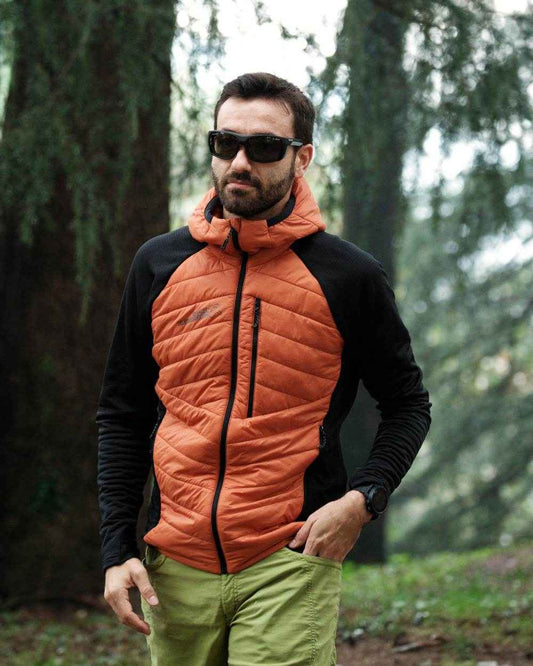





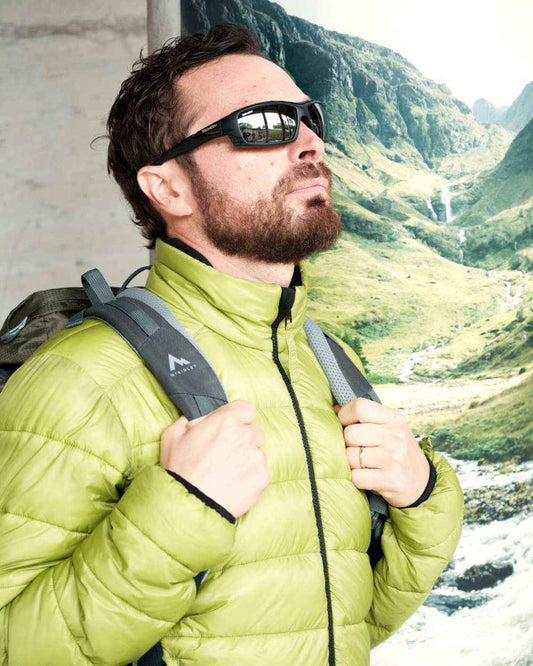





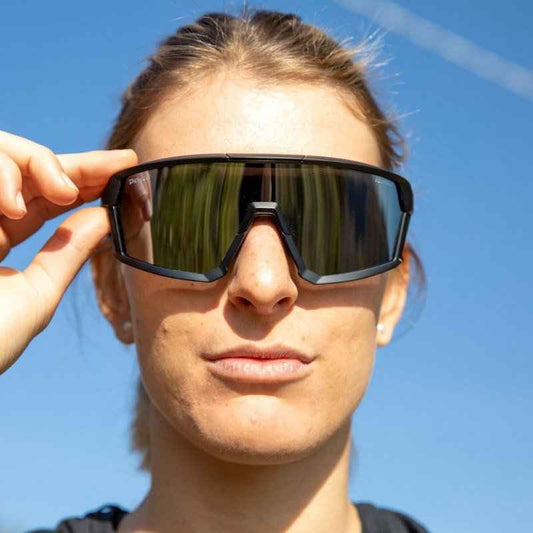










Collection: Hiking Sunglasses
Hiking Sunglasses
Hiking is an outdoor activity that combines exercise, exploration, and the enjoyment of nature, typically involving walking along mountainous or rugged terrain. Hikers often traverse areas that are inaccessible by conventional transportation, making paths, long-distance trails, high-altitude routes, mule tracks, and bridle paths popular choices for this activity. These routes offer opportunities for scenic views, physical challenges, and a deeper connection with the natural environment.
In English, hiking is often referred to interchangeably as trekking. The terminology has subtle distinctions: “trekking” originates from the English verb “to trek,” which means to walk slowly over long distances or undertake a prolonged journey, emphasizing endurance and exploration. “Hiking,” on the other hand, derives from the verb “to hike,” which generally means to walk or travel on foot, highlighting the physical act of walking itself.
For all hikers, whether casual or experienced, protecting the eyes from sun exposure, glare, wind, and debris is essential. This is where specialized hiking sunglasses come into play, providing UV protection, clarity, and comfort while ensuring that the hiker can fully enjoy the outdoor experience without compromising safety or visual performance.

Hiking typically takes place in mountainous or natural environments, offering opportunities not only for physical exercise but also for nature observation and cultural exploration. Along a hiking route, individuals may engage in activities such as birdwatching, studying local flora, or visiting historical monuments and natural landmarks, making each excursion both educational and recreational.
When a hike covers a particularly long distance, especially traversing an entire mountain range or a series of connected peaks, it is often referred to as a crossing. Such journeys demand endurance, preparation, and careful planning, as they can last several hours or even multiple days.
Responsible hiking practices are essential for protecting the natural environment and ensuring that trails remain enjoyable for all visitors. Hikers are encouraged to:
- Minimize noise to avoid disturbing wildlife and other hikers.
- Stay on designated paths to prevent soil erosion and damage to vegetation.
- Avoid altering signs or trail markers, which are essential for navigation and safety.
- Dispose of waste responsibly, either by compacting it and taking it to proper bins along the trail or, preferably, carrying it back to urban areas at the base of the valley.
Environmental respect also includes protecting protected plant species, avoiding harassment of wildlife, and exercising caution with fire—only lighting fires in approved areas with the proper skills, and ensuring they are fully extinguished before leaving. Hikers should never discard cigarette butts, paper tissues, or other litter, as even small items can have significant ecological impact.
Beyond environmental stewardship, hiking culture emphasizes mutual respect and support among fellow hikers. Common courtesies include greeting others when passing on a trail and offering assistance to those in need whenever possible. These practices foster a sense of community, safety, and shared enjoyment on the trail.

Preparation for Hiking
Proper preparation is essential for a safe and enjoyable hiking experience. Neglecting planning can lead to serious issues, such as getting lost, running out of supplies, or being caught unprepared in sudden weather changes. To minimize risks and ensure a successful outing, hikers should carefully consider several key factors in advance:
1. Planning the Route:
Before setting out, study the topographic profile, total elevation gain, and terrain characteristics of your chosen trail. Identify key landmarks for orientation, such as peaks, rivers, or distinctive rock formations, and note trail junctions or markers that will help guide your journey. Understanding the route in detail allows you to anticipate challenges and maintain a steady pace.
2. Estimating Duration:
Calculate the estimated total time for the hike, including planned stages, breaks, and any detours. Identify the locations of refuges, shelters, or safe resting points along the route, so you can plan stops and have contingency options in case of fatigue, weather changes, or unexpected delays.
3. Checking Weather Conditions:
Review the weather forecast for the day and consider conditions that may develop over the course of the hike. Mountainous areas, in particular, are prone to sudden changes in weather, including storms, fog, or temperature drops. Being informed allows you to adjust your itinerary, clothing, and equipment appropriately.
4. Choosing Proper Clothing:
Wear suitable, layered clothing that can adapt to changing temperatures and weather. Footwear is especially important—opt for sturdy, comfortable hiking boots or shoes designed for the specific terrain, whether rocky paths, muddy trails, or steep ascents. Additional items such as hats, gloves, or rain jackets may also be necessary depending on conditions.
5. Preparing Necessary Equipment:
Bring essential gear tailored to the hike’s duration and difficulty, including backpacks, navigation tools, tents (for overnight trips), cooking stoves, utensils, and other accessories. Consider safety items such as first-aid kits, headlamps, whistles, or multi-tools, which can be crucial in emergencies.
6. Ensuring Adequate Water and Food Supplies:
Carry sufficient water to stay hydrated throughout the hike, especially in remote or high-altitude areas. Plan for high-energy, easily portable foods that can sustain you over long periods of activity. For longer hikes, consider water purification methods or additional food caches at strategic points.
By carefully planning these factors, hikers maximize safety, comfort, and enjoyment, ensuring a rewarding experience on the trail while minimizing the risk of accidents or unforeseen complications.
Apparel for Hiking
Choosing the right hiking apparel is crucial for safety, comfort, and performance on the trail. Clothing requirements naturally vary depending on the season and geographic location, but hikers should always plan for unexpected weather changes, particularly in mountainous or remote areas where conditions can shift rapidly.
Layering and Weather Preparedness:
It is highly recommended to dress in layers, allowing you to adjust clothing according to temperature, sun exposure, or wind. Even during warm seasons, bring waterproof or water-resistant garments, such as jackets or rain ponchos, to protect against sudden storms or wet terrain. Carrying emergency weather protection ensures you remain dry and warm, preventing hypothermia or discomfort during longer hikes.
Footwear:
Footwear is one of the most critical components of hiking apparel. Choose sturdy boots or shoes designed specifically for the terrain you will encounter. Mountain trails may require high-ankle boots for better support and stability on rocky or uneven surfaces, while well-cushioned trail shoes may suffice for flatter, well-maintained paths. Proper footwear reduces the risk of sprains, blisters, and fatigue, making your hike safer and more enjoyable.
Socks:
Select high-quality hiking socks, preferably seamless to minimize friction and prevent blisters. Many hiking socks feature specialized cushioning and structural support, such as reinforced heels and arches, which provide enhanced comfort during long walks. Moisture-wicking materials help keep feet dry, reducing the risk of fungal infections and maintaining overall foot health.
Accessories:
Additional apparel considerations include hats or caps for sun protection, gloves for colder conditions, and breathable base layers to manage sweat and regulate body temperature. Sunglasses with UV protection are also recommended to shield your eyes from bright sunlight at high altitudes.
By carefully choosing functional, season-appropriate apparel, hikers can maintain comfort, protect themselves from the elements, and focus on enjoying the trail safely and efficiently.

EQUIPMENT
Proper equipment is crucial for any hiking or trekking adventure, as it ensures safety, comfort, and preparedness for unexpected situations. Even if you are an experienced hiker, or if you are accompanied by local guides, having the right gear can make a significant difference. If you are going alone or with less experienced companions, it becomes even more essential. Below is a detailed breakdown of recommended equipment and why each item matters:
1. Navigation Tools
- Topographic Map: Always carry a detailed topographic map of the area you will explore. Maps from military sources or the CAI (Club Alpino Italiano) are preferable, ideally at a scale of 1:25,000. Such maps provide detailed information about terrain features, trails, and elevation, which is crucial for safe navigation.
- Compass: A basic compass is indispensable for orienting yourself in the wilderness. Even if you plan to rely on electronic devices, a compass serves as a reliable backup.
- GPS Receiver (Optional): A GPS device can be a useful supplement, but it should never replace traditional navigation tools. Batteries can fail, and signal may be weak in remote areas.
2. Cutting and Emergency Tools
- Multi-purpose Knife: A Swiss Army-style knife is highly versatile. It can help with food preparation, minor repairs, first aid emergencies, and even building temporary shelters.
3. Safety and Survival Essentials
- Isothermal Blanket: Also known as a space blanket, this compact item helps prevent hypothermia in case of sudden temperature drops or injuries.
- First Aid Kit: Include bandages, antiseptics, painkillers, blister care, and any personal medications. Knowing how to use the contents is equally important.
- Whistle: Simple but life-saving, a whistle can signal for help if you are lost or injured.
4. Food and Hydration
- Water Supply: Carry enough water and hydrate regularly. Proper hydration prevents fatigue and loss of electrolytes.
- Energy Foods: Choose quick-energy foods like wholemeal biscuits, dried fruits, or diet-specific bars. Chocolate, though popular, is not ideal because its high fat content is slow to digest. Opt for fast-absorbing carbohydrates such as fructose or maltodextrins, which provide rapid energy without causing blood sugar spikes.
5. Sun and Weather Protection
- Sunscreen: High-altitude sun exposure can be intense. Use a sunscreen appropriate for both the duration of your hike and altitude.
- Gloves and Hat: Even in summer, temperatures can drop, especially at higher elevations or in shaded areas. These prevent heat loss and protect extremities.
- Certified Sunglasses: UV protection 4 or higher is recommended for snow, ice, or prolonged exposure.
6. Lighting and Communication
- Flashlight or Headlamp: Essential if you are caught out after dark. Headlamps are preferable as they free your hands.
- Mobile Phone: Fully charged and with backup power sources. Always check for signal coverage in your hiking area. Carry extra batteries or a power bank.
- Walkie-Talkies (Optional): Useful for group coordination, especially when visibility or distance makes shouting ineffective.
7. Clothing
- Layered Clothing: Dress in layers that can be adjusted according to weather changes. Include moisture-wicking base layers, insulating mid-layers, and waterproof outer layers.
- Helmet: Necessary in high mountains, rocky paths, or climbing sections to protect against falls or falling rocks.
8. Hiking and Mobility Aids
- Hiking Poles: Help with balance, reduce strain on knees, and allow upper body propulsion. They also minimize the risk of slipping or falling on uneven terrain.
- Rope (Approx. 5 meters): Useful for emergencies, making splints, carrying gear, or securing items.
For Multi-Day Excursions:
- Sleeping Bag: Choose one suitable for the expected temperatures.
- Sleeping Bag Liner: Often required in mountain refuges and helps maintain hygiene.
- Tarpaulin or Tent: Provides shelter against weather.
- Camping Stove: For cooking meals safely in outdoor conditions.
Specialized Equipment for Specific Terrain
In addition to the basic equipment recommended for hiking or trekking, certain environments and activities require specialized gear and safety measures. These are crucial to minimize risks and ensure safe navigation in challenging terrain.
1. Glacier Travel
- Crampons and Ice Axe: When crossing glacier sections, the use of crampons and an ice axe is mandatory. Crampons provide essential traction on ice, preventing slips, while an ice axe serves both as a braking tool in case of a fall and as a support during steep ascents or descents.
- Roped Travel in Crevassed Areas: If the glacier contains crevasses—deep, often hidden cracks in the ice it is strongly recommended to travel roped together. This technique ensures that if one person falls into a crevasse, the others can arrest the fall and provide rescue. Proper knowledge of rope techniques, knots, and belaying is critical for safety.
2. Via Ferrata Routes
- Helmet: Protects the head from falling rocks or accidental bumps against iron rungs and rock walls.
- Harness: Essential for safely attaching oneself to the via ferrata system. A properly fitted climbing harness distributes forces during a fall.
- Via Ferrata Set: This specialized set usually includes a shock-absorbing lanyard (sometimes called a “heat sink”) and two carabiners. It is designed to reduce the impact force on the body if you fall while clipped to the iron cables of a via ferrata. Properly prepared ropes may also be required for additional safety.
- Sturdy Boots: Strong, supportive boots with good grip are essential for maintaining stability on uneven or slippery surfaces.
- Gloves: Gloves designed for via ferrata or similar to cyclist gloves protect hands while allowing easy handling of carabiners and cables. They prevent blisters and improve grip on metal rungs.
3. Hazardous Crossings and Exposed Terrain
- Long Rope (20 meters or more): If the route involves crossing streams, slippery rock slabs, or other exposed areas where falls could occur, carrying a rope is recommended. A rope of sufficient length allows the group to secure difficult passages, assist less confident members, or set up improvised anchors for safety.