








Collection: Alpinism Sunglasses
Alpinism Sunglasses
Mountaineering is more than a sport it is the meeting point between human determination and the raw power of nature. It represents the pursuit of freedom, the desire to rise above personal limits, and the challenge of conquering heights where few dare to venture. Each climb is not only a physical test but also a mental and emotional journey, where discipline, resilience, and respect for the mountain play a decisive role.
The word “mountaineering” itself originates from the Alps, the mountain range in Europe where the first significant attempts at high-altitude climbing took place in the 18th and 19th centuries. Since then, the discipline has grown into a worldwide practice, embraced by climbers in ranges such as the Himalayas, the Andes, and the Rockies. While techniques and equipment have evolved, the essence of mountaineering remains unchanged: pushing beyond one’s comfort zone to face the adversities of altitude, weather, and terrain.
Mountaineering takes place in demanding environments often thousands of meters above sea level—where conditions can change within minutes. Climbers face steep rock walls, icy slopes, deep snow, and mixed terrain that requires a combination of skills in rock climbing, ice climbing, and endurance trekking. Every ascent demands preparation, technique, and the right gear, as safety depends on how well climbers adapt to the extreme environment.
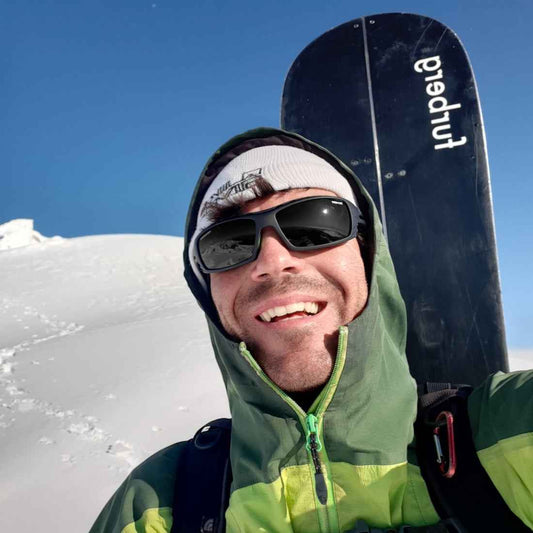
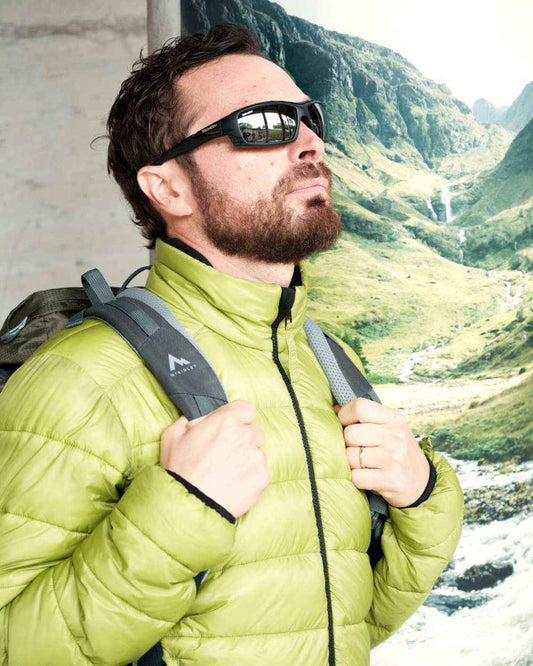
Among the most essential pieces of equipment for mountaineers are alpinism sunglasses. At high altitudes, the sun’s rays are stronger and more harmful due to thinner air and increased UV radiation. Snow and ice add another danger: they reflect sunlight intensely, creating a glare that can cause snow blindness, a painful condition that impairs vision and can put climbers at serious risk. Unlike regular sunglasses, mountaineering-specific eyewear is designed to block not only direct sunlight but also reflections and peripheral light that sneak in from the sides.
High-quality alpinism sunglasses feature dark, protective lenses with advanced UV filters, side shields to prevent lateral glare, and frames built to withstand harsh weather and sudden temperature changes. They are lightweight yet durable, offering comfort during long ascents where every detail counts. In many ways, these sunglasses are not just an accessory—they are life-saving equipment, enabling climbers to protect their vision and maintain focus on the challenges ahead.

Origins of Alpinism
The Alps, one of Europe’s most iconic mountain ranges, have been inhabited since prehistoric times. Archaeological discoveries show that humans ventured far above the valley floors, leaving traces of their presence at surprisingly high altitudes. For these early inhabitants, climbing into the mountains was not a recreational pursuit, but a matter of survival hunting game, gathering resources, or leading livestock to alpine pastures during seasonal migrations. These early ascents, though unrecorded in detail, laid the groundwork for humanity’s enduring relationship with high mountains.
The earliest documented references to mountain exploration can be found in the writings of Greek and Roman historians such as Herodotus, Sallust, and Livy. These chroniclers recounted the feats of soldiers, travelers, and locals who braved the peaks, not for leisure but out of necessity, conquest, or devotion. These early testimonies remind us that what we now call “mountaineering” once stemmed from practical or symbolic purposes rather than sport.
During the late Middle Ages and Renaissance, isolated climbs began to stand out as precursors of modern alpinism. A notable example is the ascent of Mont Ventoux (1,909 m) in 1336, famously chronicled by the Italian poet and scholar Francesco Petrarch. Unlike earlier climbs, Petrarch’s ascent was not motivated by survival or conquest, but by curiosity and the desire to admire the vast view from the summit an act often regarded as the birth of mountaineering as a cultural pursuit.
Another remarkable feat occurred in 1358 with the ascent of Rocciamelone (3,538 m) in Piedmont, carried out by the nobleman Bonifacio Rotario d’Asti as a devotional act. His climb, long before the existence of modern equipment, symbolized the blend of physical endurance and spiritual aspiration that would continue to characterize mountain ascents in centuries to come.
Among the most celebrated episodes of “mountaineering prehistory” is the climb of Mount Aiguille (2,085 m) in 1492. Ordered by King Charles VIII of France, this expedition was led by Antoine de Ville, a military captain, accompanied by clergymen and local workers. Upon reaching the summit a daunting vertical peak that had long been considered inaccessible they erected three crosses and a small chapel. This event captured the imagination of the time, as it demonstrated that even seemingly insurmountable natural obstacles could be overcome with courage, skill, and determination.
Despite these isolated exploits, ascents of the great alpine peaks remained rare until the 18th century. The lack of proper equipment, combined with limited scientific or cultural interest in high altitudes, meant that the towering summits of the Alps were still largely unexplored. For centuries, the mountains were regarded with fear and awe, often associated with danger, mystery, or even superstition. It wasn’t until the Enlightenment era—with its emphasis on science, discovery, and the appreciation of nature that mountaineering began to take shape as a true discipline.

The Climb of the Main Peaks of the Alps
The symbolic birth of modern mountaineering is traditionally dated to August 8, 1786, when Mont Blanc, the highest peak in Western Europe, was climbed for the very first time. This landmark ascent marked a turning point in humanity’s relationship with high mountains. The initiative was inspired by the Geneva scientist Horace-Bénédict de Saussure, who had long promoted the idea of reaching Mont Blanc’s summit as part of his scientific explorations. However, the feat itself was accomplished by two men of Chamonix: Michel Gabriel Paccard, a doctor, and Jacques Balmat, a local hunter and crystal seeker. Their successful climb was not just a personal victory, but the spark that ignited a new era of exploration in the Alps.
In its early years, mountaineering was primarily motivated by science. Explorers sought to measure altitude, study atmospheric pressure and temperature, and better understand glacial and geological formations. These expeditions carried with them the spirit of the Enlightenment, merging curiosity, discovery, and physical challenge in an environment that had previously been feared or ignored.
But curiosity soon gave way to passion. By the early 19th century, climbing Alpine peaks began attracting adventurers from across Europe especially English and German enthusiasts who combined scientific interests with a growing taste for discovery and challenge. This enthusiasm laid the foundations of Alpine tourism, later supported by aristocratic families, scholars, and travel writers who brought prestige to the mountains and encouraged the development of local guiding traditions.
Between the late 18th and mid-19th century, climbers managed to conquer many of the Alps’ most imposing summits, one after another:
- Grossglockner – 1800
- Punta Giordani (Monte Rosa) – 1801
- Ortles – 1804
- Jungfrau – 1811
- Bernina – 1829
- Pelmo – 1857
- Monviso – 1861
- Marmolada – 1864
- Grandes Jorasses – 1865
- Matterhorn – 1865
Each ascent represented not only a technical achievement but also a cultural milestone, shaping the collective imagination of mountaineering. Travelers began to view the Alps as a place of wonder, beauty, and human challenge, rather than simply a dangerous wilderness.
The so-called scientific phase of mountaineering effectively reached its symbolic conclusion with the dramatic first ascent of the Matterhorn on July 14, 1865. Unlike Mont Blanc, which was climbed partly for research, the Matterhorn represented something new: climbing for the sake of the challenge itself. Led by the Englishman Edward Whymper, the successful ascent was followed by tragedy during the descent, four of the seven climbers fell to their deaths. This accident shocked Europe and sparked debates about the risks, ethics, and meaning of mountaineering.
Yet Whymper’s feat also revealed the defining traits of modern alpinism: the irresistible attraction of beautiful and daunting peaks, the spirit of competition between climbers and nations, the role of innovation in equipment and technique, and the bittersweet balance between triumph and tragedy. From that moment on, climbing was no longer only about science or exploration; it became an end in itself, a pursuit of human endurance, ambition, and the will to face nature at its most unforgiving.

Birth of the Alpine Clubs
The mid-19th century marked not only the conquest of many Alpine peaks but also the formal organization of mountaineers into associations dedicated to exploration, safety, and the promotion of alpine culture. These clubs played a pivotal role in shaping the social and technical framework of mountaineering, fostering collaboration, sharing knowledge, and encouraging responsible exploration of the mountains.
Some of the most influential organizations founded during this period include:
- Alpine Club (England), 1857 – The world’s first mountaineering club, emphasizing exploration, scientific observation, and documentation of climbs.
- Österreichischer Alpenverein (Austria), 1862 – Focused on developing mountain infrastructure, such as huts and trails, to make alpine exploration more accessible.
- Italian Alpine Club (CAI), 1863 – Promoted mountaineering in Italy, combining patriotic pride with scientific and recreational aims.
- Deutscher Alpenverein (DAV), 1869 – Played a major role in mapping the Alps and promoting climbing safety standards.
- Society of Tridentine Mountaineers (SAT), 1872 – Concentrated on local Alpine culture, preservation, and mountaineering education.
- French Alpine Club, 1874 – Encouraged climbs in the French Alps and promoted mountaineering literature.
- Friulian Alpine Society (SAF), 1874 – Focused on exploring and protecting the mountains of northeastern Italy.
These organizations established the foundations of structured mountaineering, providing both social networks and technical support that made climbing more systematic, safe, and culturally recognized. Huts, maps, guides, and rules developed by these clubs remain an integral part of modern alpinism.
Modern Alpinism
While the historical feats and the formation of clubs shaped traditional mountaineering, the 20th century brought a profound evolution in both philosophy and technique. By the early 1970s, a new movement emerged in Italy, known as “Nuovo Mattino” (“New Dawn”), inspired by the writings of Gian Piero Motti in the Rivista della Montagna. This movement challenged the conventions of classic climbing, questioning the reliance on guides, refuges, standardized routes, and the prevailing summit-focused mentality.
The Nuovo Mattino movement sought mountaineering as an expression of freedom, personal challenge, and creativity, often rejecting the rigid structures and cultural expectations imposed by traditional organizations such as the CAI. Climbers prioritized exploration, minimalism, and ethical responsibility, emphasizing the journey and experience over simply reaching the summit. They were critical of environmental exploitation, highlighting the need to respect mountains as fragile ecosystems rather than mere playgrounds for human ambition.
Technical and physical innovations, often inspired by early American free-climbing pioneers, made it possible to tackle previously impossible challenges. Climbers began using smooth-soled shoes to achieve better contact with rock surfaces, facilitating the rise of free climbing, where natural features of the rock rather than artificial aids became the primary means of ascent. Mental preparation, creative problem-solving, and physical conditioning became as crucial as technical skill.
Despite its revolutionary spirit, by the late 1970s and 1980s, the Nuovo Mattino movement began to fade. Its radical ideals were gradually absorbed, diluted, or commercialized, leaving behind techniques, innovations, and ethical considerations that could be standardized and widely practiced. While the raw philosophy of the movement the pursuit of freedom and the questioning of tradition lost much of its original force, its legacy endures in modern climbing styles, equipment, and the ethical discourse surrounding mountaineering today.

Mountaineering in the 1990s
The 1990s marked a period of bold experimentation and cross-disciplinary innovation in mountaineering. Climbers and extreme athletes began pushing the boundaries of what was considered possible, blending traditional alpine skills with emerging extreme sports techniques. One of the most striking examples is the work of Marco Siffredi, the legendary French snowboarder. Inspired by the pioneering descents of Jean-Marc Boivin, Siffredi became one of the first to attempt solo snowboard descents of the north face of Mont Blanc, tackling slopes with gradients exceeding 50º an audacious and unprecedented challenge at the time.
These feats were not simply about thrill-seeking; they represented a new dimension of mountain sports, combining technical skill, creativity, and courage. Athletes like Siffredi redefined what it meant to interact with high-altitude environments, showing that snowboarding and skiing could coexist with traditional mountaineering in extreme conditions. His descents inspired a generation of athletes to explore alternative approaches to the mountains, blending speed, precision, and stylistic expression with the enduring spirit of alpinism.
Mountaineering in the 2000s
Entering the third millennium, mountaineering evolved into a highly competitive and performance-driven discipline. Professional alpinists began achieving extraordinary physical and technical feats: completing multiple challenging routes in a single day, tackling extremely difficult climbs, and performing extreme ski descents that tested both endurance and skill. Advances in training, nutrition, and technology including lighter gear, improved climbing hardware, and weather-resistant equipment enabled athletes to reach levels of performance previously thought impossible.
At the same time, mountaineering began to expand beyond professional circles, attracting amateurs, enthusiasts, and tourists seeking adventure in high-altitude environments. This democratization of mountaineering brought new energy to the sport but also introduced challenges. Many newcomers underestimated the inherent risks of climbing, sometimes attempting routes beyond their skill level or failing to respect the limits imposed by weather, altitude, or technical difficulty. As a result, mountaineering increasingly straddled the line between elite athletic pursuit and mass adventure tourism.
The early 2000s thus represent a dual evolution: the professionalization and extreme performance of elite alpinists on one hand, and the widespread popularization of mountaineering on the other. Both trends highlight the enduring appeal of the mountains whether as a proving ground for athletic achievement or as a source of personal challenge and exploration but also underscore the importance of preparation, training, and respect for the natural environment.

Climbing Techniques and Difficulties
Mountaineering is fundamentally about overcoming challenges, whether imposed by the terrain itself or by environmental conditions. These obstacles test a climber’s physical strength, technical skills, and mental resilience. Challenges can include vertical walls, narrow ridges, glaciers, and unstable rock, as well as environmental factors such as high altitude, extreme weather, and rapidly changing conditions. The nature and intensity of these difficulties vary depending on the season, elevation, and type of climb, and successful mountaineering often requires a combination of skill, preparation, and appropriate equipment.
Climbers may encounter routes that demand specific technical techniques, such as rope management, ice climbing, or crevasse navigation. Alternatively, some routes like via ferratas provide pre-installed cables, ladders, and anchor points to aid safe passage. Understanding the nature of the terrain and selecting the correct approach is critical to both safety and success.
Climbing in Summer Conditions
During summer, particularly at lower and mid-altitudes, the primary challenges usually come from rock formations and vertical walls. These obstacles often require a combination of free climbing (where climbers rely on hands and feet to ascend rock surfaces) and artificial climbing techniques (using ropes, anchors, or ladders for support).
Common summer climbing methods include:
- Roped climbing techniques, where climbers secure each other with ropes to prevent falls.
- Anchor systems, such as bolts, pitons, or natural features, which allow climbers to attach ropes and belay devices.
- Safety chains and hardware, including carabiners, brakes, and other devices, to protect climbers on exposed sections.
- Route planning and pacing, which help climbers manage fatigue and navigate tricky passages safely.
Summer climbs often emphasize endurance, agility, and route-finding skills, as climbers encounter steep walls, narrow ledges, and loose or unstable rock. The absence of snow and ice makes movement more predictable, but climbers must still remain vigilant to avoid slips, rockfalls, and exposure-related hazards.
Climbing in Winter Conditions
Winter mountaineering introduces an entirely different set of challenges. Low temperatures, snow, and ice transform familiar summer routes into technical and potentially hazardous terrain. In addition to the usual rock obstacles, climbers must contend with snowfields, glaciers, icy ridges, and vertical ice formations. Winter conditions amplify risk, requiring greater technical skill, stamina, and specialized equipment.
Key considerations for winter climbing include:
- Protective clothing, designed for insulation and weather resistance, to prevent hypothermia and frostbite.
- Technical equipment: ice axes, crampons, ice screws, and ropes adapted for icy or snowy surfaces.
- Ice climbing techniques, used to ascend frozen waterfalls or vertical ice walls, which demand precise footwork and secure tool placements.
- Snow and mixed terrain navigation, often requiring skills from both rock and ice climbing.
- Ski mountaineering techniques, which may be employed for traversing snowfields or descending slopes, either partially or along the entire route.
Winter climbs demand careful risk assessment, as avalanches, icefall, and sudden weather changes can make even familiar routes dangerous. Climbers must balance technical proficiency, environmental awareness, and physical endurance to navigate the winter mountains safely.

High Altitude
High-altitude mountaineering introduces unique challenges that extend far beyond technical climbing or environmental hazards. As climbers ascend, they encounter extreme temperatures, unpredictable weather, and decreased atmospheric pressure, all of which can significantly impact both safety and performance. Even during summer months, high-altitude environments often resemble harsh winter conditions, with freezing temperatures, strong winds, and snow-covered terrain. In winter, these effects are magnified, making conditions even more severe and dangerous.
Perhaps the most critical challenge at high altitude is the effect on the human body. Reduced atmospheric pressure means less oxygen is available, which can lead to a range of physiological disturbances, collectively known as altitude sickness. Understanding how altitude affects the body is essential for safe climbing, as even experienced mountaineers are vulnerable to these risks.
The effects of altitude can be categorized based on elevation and the human physiological response:
- 0–500 meters (near sea level): Atmospheric changes are negligible, and humans experience no physiological impact. Conditions are essentially the same as at sea level.
- 500–2,000 meters (low altitude): Changes in oxygen availability and air pressure become noticeable. Most people experience little to no negative effects, though elite athletes may begin to notice a slight drop in performance, particularly above 1,500 meters.
- 2,000–3,000 meters (medium altitude): Environmental challenges become more evident. Some individuals may begin to experience mild altitude-related symptoms such as headaches, fatigue, or shortness of breath. Physical performance decreases, though gradual acclimatization—allowing the body to adjust over several days—can restore much of the lost capability.
- 3,000–5,500 meters (high altitude): A significant proportion of climbers may experience serious altitude-related disorders, including acute mountain sickness (AMS). Symptoms can range from persistent headaches and nausea to fluid accumulation in the lungs (high-altitude pulmonary edema) or brain (high-altitude cerebral edema), both of which can be life-threatening. Even with proper acclimatization, physical performance is markedly reduced, and climbers must carefully manage exertion and monitor symptoms.
- Above 5,500 meters (extreme altitude): Conditions become extraordinarily harsh. The combination of severe cold, low oxygen, and high UV exposure makes permanent human habitation impossible. Climbers are exposed to extreme physiological stress, and the risk of life-threatening altitude illnesses is extremely high. Expeditions at this level require meticulous planning, specialized equipment, and often supplemental oxygen to survive and perform.
High-altitude mountaineering demands both mental and physical preparation. Climbers must gradually adapt to reduced oxygen levels, monitor their own physiological responses, and make conservative decisions to prevent illness or exhaustion. Understanding how altitude affects the body, combined with proper acclimatization and equipment, is crucial for safely navigating these extreme environments.

Degree of Difficulty
A core principle of mountaineering is understanding the technical and physical challenges of a route before attempting it. Properly assessing difficulty is crucial for safety, as it helps climbers avoid routes beyond their skills or preparation, and ensures they can retreat safely if conditions worsen. The process of evaluating a route’s difficulty is called grading or quoting, and it relies on a combination of objective measures, comparisons with other routes, and subjective judgment from experienced climbers.
Since no grading system is perfect, multiple factors influence how a route is classified:
- Objective factors: length, steepness, exposure, technical maneuvers required, altitude, and environmental hazards.
- Subjective factors: the individual climber’s experience, skill level, familiarity with the terrain, and psychological comfort with exposure.
- Variable conditions: weather, snow, ice, rockfall, or other environmental changes that can make a route more difficult than its base grade might suggest.
Different disciplines within mountaineering and climbing employ specific grading systems, which often vary by country:
1. Mountaineering (Alpine) Difficulty:
Originating in France, this scale evaluates the overall challenge of a climb, including length, technical difficulty, and exposure. The grades are expressed as:
- F (Facile): Easy
- PD (Peu Difficile): Slightly difficult
- AD (Assez Difficile): Fairly difficult
- D (Difficile): Difficult
- TD (Très Difficile): Very difficult
- ED (Extrêmement Difficile): Extremely difficult
- ABO (Abominable): Extremely serious and demanding
2. Free Climbing:
Technical rock climbing uses scales such as:
- UIAA scale (Europe): Roman numerals from I to XI, indicating increasing difficulty.
-
French scale: Numbers (3–9) combined with letters (a–c), with a “+” for intermediate grades.
Additional scales exist in the United States, England, and Australia, reflecting local climbing traditions.
3. Aid Climbing:
Routes using artificial gear for upward progress are graded from A0 to A5, with a separate seventh grade for exceptional difficulty.
4. Ice Climbing:
The Canadian Water Ice (WI) scale evaluates technical and environmental challenges, ranging from WI1 to WI7, with higher numbers indicating steeper and more sustained ice climbs.
5. Mixed Climbing:
Routes involving both ice and rock use the M scale, ranging from M1 to M13, reflecting increasing technical complexity and risk.
Understanding the grading system allows climbers to select routes suited to their skills, prepare the appropriate gear, and plan for the physical and mental demands of the ascent.
Approach
Before the mountaineering portion of an ascent begins, most climbs involve an “approach” phase the hike or trek that leads to the base of the technical route. Approach routes vary in length, terrain, and difficulty, and are generally graded using hiking scales, rather than technical climbing scales.
Common approach grades include:
- T (Tourist): Simple itineraries on clear paths, mule tracks, or small roads, usually below 2,000 meters. Minimal technical skill is required, though basic mountain knowledge and physical fitness for walking are necessary.
- E (Hiking): Paths that are less obvious or more rugged, often at higher altitudes. These routes may include exposure, grassy or debris-covered slopes, and occasional snowy sections. Hikers need good orientation skills, knowledge of mountain terrain, and appropriate footwear and equipment.
- EE (Expert Hikers): Challenging itineraries with rocky passages, snow channels, exposed ridges, and treacherous terrain. These routes demand experience, specialized equipment, surefootedness, and the ability to manage exposure without vertigo. In some cases, EE routes approximate the F grade of mountaineering, representing the upper limit of hiking before technical climbing begins.
Many mountain peaks can be reached via routes considered hiking rather than technical mountaineering, particularly smaller, grassy summits or peaks with minimal rocky terrain. However, certified mountaineering routes generally require a higher level of commitment, navigation skill, and familiarity with unmarked paths.
By understanding both degree of difficulty and the nature of the approach, climbers can plan ascents that match their technical skills, physical fitness, and risk tolerance, significantly enhancing safety and enjoyment in the mountains.