


Exploring Breathtaking Trails: A Guide to Trail Running in Italy
Italy is one of the most rewarding countries in the world for trail running: alpine ridges, coastal paths, vineyards, volcanic slopes, ancient mule tracks and mountain villages create a running experience where endurance, discovery and landscape become one.
Why Italy is a dream destination for trail running
Trail running in Italy is much more than running off-road. It is a way to move through forests, climb mountain paths, cross ancient stone villages, follow ridgelines and discover places that often remain hidden to those who travel only by road.
The country offers an extraordinary variety of terrain: snow-capped alpine peaks in the north, rolling hills in central Italy, rugged coastal cliffs in Liguria, volcanic trails in Sicily and wild routes through national parks. Every region has its own rhythm, scenery and technical character.
Unlike road running, every stride on a trail is different. Your body adapts constantly to stones, roots, climbs, descents and changes in grip. This makes trail running physically demanding, but also mentally engaging and deeply rewarding.
The real magic of trail running in Italy is the connection between sport, landscape and culture: many routes follow paths once used by shepherds, pilgrims, merchants and local communities.
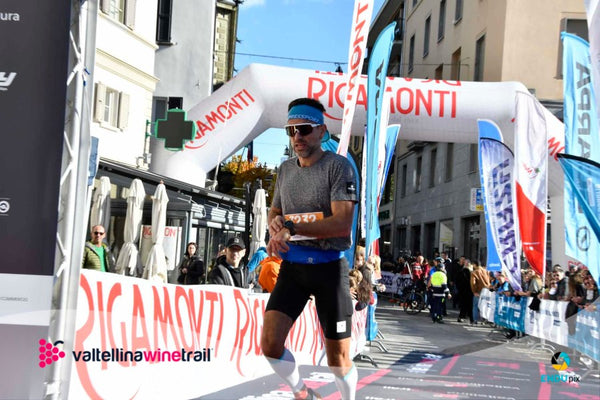

Clear vision matters on every type of trail
When running on rocky paths, forest tracks or exposed ridges, sunglasses help protect the eyes from sunlight, wind, dust, insects and branches. They also improve comfort when the route alternates between open light and shaded sections.
Popular destinations for trail running in Italy
Italy offers trail runners a rare combination of technical routes, scenic variety and cultural depth. From the Dolomites to the Cinque Terre coast, each destination delivers a different kind of challenge.
Dolomites
Towering limestone peaks, alpine meadows, mountain refuges and dramatic views make the Dolomites one of the most iconic trail running areas in Europe.
Cinque Terre
Ancient coastal footpaths connect colorful villages above the Ligurian Sea, with steep climbs, stone steps, vineyards and unforgettable panoramas.
Aosta Valley
High-altitude trails, glaciers, castles and routes beneath Mont Blanc create a powerful alpine experience for runners who love mountain terrain.
Tuscany
Rolling hills, vineyards, olive groves and medieval villages make Tuscany ideal for scenic trail runs with a softer, more flowing rhythm.
Sicily
Volcanic terrain around Mount Etna, rural paths, citrus groves and coastal tracks offer a unique trail running experience in southern Italy.
Rome and Lazio
Ancient roads, aqueduct parks, countryside paths and historical scenery allow runners to combine endurance with cultural exploration.
| Destination | Best For | Terrain Character | Runner Level |
|---|---|---|---|
| Dolomites | Mountain scenery and technical routes | Rocky trails, climbs, alpine meadows | Intermediate to advanced |
| Cinque Terre | Sea views and steep coastal paths | Stone steps, narrow paths, elevation changes | Intermediate |
| Tuscany | Flowing runs and cultural scenery | Rolling hills, gravel paths, countryside tracks | Beginner to intermediate |
| Aosta Valley | Alpine endurance and altitude | High mountain trails, glaciers, valleys | Advanced |
| Sicily | Volcanic terrain and wild landscapes | Lava paths, dry trails, coastal routes | All levels depending on route |
Essential equipment for trail running in Italy
Before heading onto Italian trails, prepare for changing terrain, variable weather and long stretches where services may be limited. The right equipment improves safety, comfort and performance.
- Trail running shoes: choose grippy soles, stable support and cushioning suitable for rocky, uneven and sometimes wet surfaces.
- Technical clothing: breathable, moisture-wicking layers help regulate temperature during climbs, descents and weather changes.
- Hydration vest or running backpack: carry water, snacks, phone, light jacket, first aid essentials and route tools.
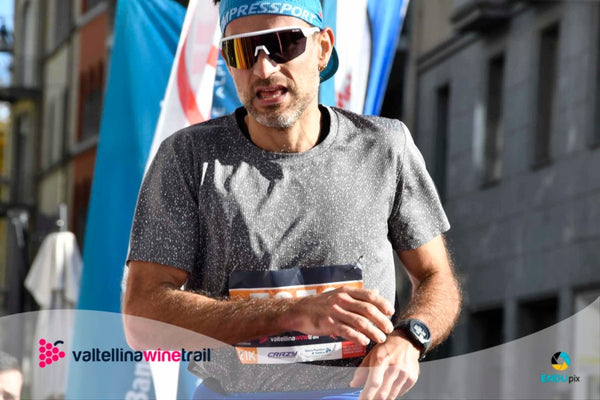
- Sunglasses: protect against UV rays, wind, insects, dust and branches, especially on exposed ridges and fast descents.
- Cap and sunscreen: essential for open trails, summer runs and high-altitude routes.
- GPS watch or map app: useful for route tracking, navigation and checking elevation gain.
- Trekking poles: helpful on steep climbs, long mountain routes and demanding descents.
Practical tip: in the mountains, always carry a lightweight waterproof jacket even when the day starts sunny. Weather can change quickly at altitude.

Trail running with prescription vision
Runners who need vision correction can choose dedicated sports eyewear solutions designed for movement, stability and protection. A secure frame is especially important when the route includes roots, rocks, descents and sudden changes of direction.
Safety tips for trail running in Italy
Trail running in Italy can be breathtaking, but preparation is essential. Routes may pass through remote valleys, protected parks, exposed ridges or old mule tracks where conditions change quickly.
Study the route
Check distance, elevation gain, terrain type, possible water points and escape routes before you start. A short trail can still be demanding if it includes steep climbs or technical descents.
Tell someone your plan
Share your route, estimated return time and general location, especially if running alone or entering mountain areas where mobile signal may be limited.
Check the weather
Mountain weather can shift quickly. Wind, fog, storms and temperature drops can make a route much harder than expected.
Carry essentials
Bring water, energy snacks, a charged phone, emergency layer, basic first aid items and navigation support.
Respect the trail
Stay on marked paths, avoid disturbing wildlife, close gates when needed and take all litter with you.
Know your limits
Choose routes that match your fitness, experience and technical ability. Turn back if conditions become unsafe.
Emergency note: in Italy and across the European Union, the emergency number is 112. Save it before heading out on remote trails.
Training for trail running in Italy
To fully enjoy Italian trails, build your fitness gradually and train for the type of terrain you want to explore. Trail running requires endurance, strength, balance and confidence on uneven ground.
- Increase distance progressively: start with shorter routes and add distance only when your body adapts well.
- Add elevation gradually: climbs build strength, but too much too soon can overload calves, quads and knees.
- Practice descents: downhill running requires coordination, quick foot placement and controlled braking.
- Train on similar terrain: if you plan to run in the Dolomites, practice on rocky, uneven trails whenever possible.
- Include strength training: squats, lunges, step-ups, calf raises, planks and balance exercises help prepare the body for technical routes.
- Respect recovery: sleep, hydration, stretching and easy days are part of the training process.
Short scenic trails, light elevation gain, easy pace and consistent weekly routine.
Longer routes, technical descents, structured climbing sessions and strength work.
Build confidence, coordination and endurance without rushing progression.
Improve efficiency, pacing, power and resilience on demanding terrain.
Events and competitions in trail running across Italy
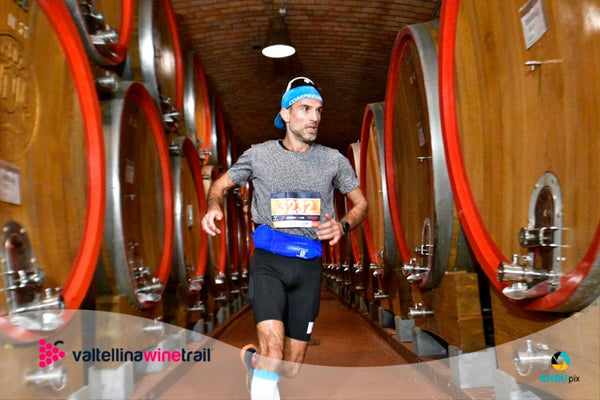
Italy hosts a wide variety of trail running events, from local mountain races to demanding ultra-distance challenges. These events are not only about performance: they are celebrations of landscape, community and endurance.
In mountain regions, races often cross alpine passes, forests, valleys and high-altitude trails. Along the coast, events can include steep climbs above the sea, technical stone paths and dramatic views. In central and southern Italy, many races pass through villages, vineyards, olive groves and historical landscapes.
Mountain races
Perfect for runners who enjoy elevation gain, long climbs, technical sections and high-altitude scenery.
Coastal trails
Ideal for those who love sea views, steep paths, rocky terrain and a strong sense of place.
Historical routes
A unique way to combine running with ancient roads, villages, countryside and cultural landmarks.
Before entering an event, check the required equipment list, elevation profile, cutoff times and weather conditions. Trail races can vary greatly in difficulty even when the distance appears manageable.
Exploring the breathtaking trails of the Italian Alps
The Italian Alps are the ultimate destination for runners seeking dramatic terrain, fresh air and high mountain scenery. Routes range from accessible valley trails to demanding alpine paths that require experience and preparation.
Running in areas such as Aosta Valley, Lombardy, Trentino-Alto Adige and Piedmont means moving through forests, glacial valleys, mountain pastures and ridgelines where every turn can reveal a new panorama. The environment is powerful and rewarding, but it should always be approached with respect.
Alpine routes often involve significant elevation gain, exposed sections and fast-changing weather. Good footwear, layered clothing, navigation tools and realistic planning are essential.
Discovering the beauty of the Dolomites through trail running
The Dolomites are among the most spectacular mountain landscapes in the world. Their pale limestone walls, sharp peaks and open valleys make every trail feel cinematic.
Routes around Cortina d’Ampezzo, the Tre Cime di Lavaredo area, Val Gardena and the Sella Group offer a wide range of options. Some trails are suitable for steady scenic runs, while others involve technical climbs, rocky sections and high-altitude exposure.
Trail running here is a balance of effort and wonder. The climbs can be demanding, but the reward is a feeling of immersion in one of Italy’s most distinctive natural environments.
Trail running along the splendid Cinque Terre coast
The Cinque Terre coast offers a completely different trail running experience: sea air, terraced vineyards, colorful villages and steep paths above the Mediterranean.
The ancient footpaths linking Monterosso, Vernazza, Corniglia, Manarola and Riomaggiore can be physically demanding. Expect steps, narrow sections, uneven stone and sharp changes in elevation.
The reward is unforgettable: glimpses of the Ligurian Sea, cliffside villages, olive trees, lemon scents and a sense of movement through a landscape shaped by centuries of human work and natural beauty.
Exploring the historic trails of Rome and Tuscany
Italy’s central regions offer trail runners a softer but deeply atmospheric experience. Here, the landscape is shaped by history, agriculture and ancient routes.
In and around Rome, runners can discover parks, aqueducts, ancient roads and countryside paths that bring the past into the present. The experience is less alpine but rich in cultural character.
Tuscany is ideal for scenic runs through vineyards, cypress-lined hills, olive groves and medieval villages. The terrain is often more flowing than the mountains, but rolling elevation and summer heat can still make routes challenging.
Best seasons for trail running in Italy
The best time to run depends on the region and altitude. Italy’s climate changes significantly from the Alps to the islands, so planning by season makes the experience safer and more enjoyable.
| Season | Recommended Areas | What to Expect |
|---|---|---|
| Spring | Tuscany, Liguria, Lazio, Sicily, low mountain routes | Mild temperatures, green landscapes, good conditions for longer outings. |
| Summer | Alps, Dolomites, high-altitude trails | Ideal for mountain routes, but start early and carry enough water. |
| Autumn | Tuscany, Dolomites, Aosta Valley, central Italy | Cooler air, beautiful colors and excellent visibility on many routes. |
| Winter | Coastal trails, southern Italy, lower hills | Good for mild regions, while high mountains may require winter experience and equipment. |
Guided trail running tours in Italy
Guided trail running tours are an excellent choice for runners who want to explore Italy with local knowledge, route planning and logistical support.
A local guide can help you discover less obvious trails, understand the terrain, manage safety and connect the run with the culture of the area. Guided experiences can range from single-day runs to multi-day adventures with accommodation and meals included.
This approach is especially useful in mountain regions, protected parks or unfamiliar areas where route choice, weather and elevation gain require careful planning.
- Best for beginners: guided scenic routes with moderate elevation and plenty of support.
- Best for experienced runners: technical mountain tours, hut-to-hut routes or multi-day trail adventures.
- Best for travelers: tours that combine running, local food, villages and cultural discovery.
The spirit of trail running in Italy
Trail running in Italy is far more than a sport. It is a way to explore the country through effort, silence, nature and movement.
Whether you are climbing through alpine passes, running above the sea, crossing vineyards or following ancient Roman paths, every route offers a sense of discovery. The beauty of trail running is that performance is only one part of the experience.
The deeper reward is connection: with the landscape, with local traditions, with your own endurance and with the simple pleasure of moving through nature one step at a time.
FAQ before trail running in Italy
Is trail running in Italy suitable for beginners?
Yes. Many regions offer easy scenic routes, especially in Tuscany, Lazio, Liguria and lower mountain areas. Beginners should start with short distances, moderate elevation and well-marked trails.
Do I need special shoes for Italian trails?
Trail running shoes are strongly recommended. Road shoes may lack grip and stability on rocks, roots, gravel, mud and steep descents.
Are sunglasses important for trail running?
Yes. Sunglasses protect the eyes from UV rays, wind, dust, insects, branches and glare. They are especially useful on exposed mountain routes, coastal trails and bright summer days.
What should I carry on longer routes?
Carry water, energy snacks, a charged phone, route navigation, a lightweight jacket, basic first aid items and any mandatory equipment required by the area or event.
What is the best area for spectacular views?
The Dolomites, the Italian Alps and the Cinque Terre coast are among the most scenic choices. Tuscany and Sicily offer a different but equally memorable landscape experience.

Discover running glasses designed for performance
Choose sports eyewear built for running, trail running and outdoor movement, with stable fit, protective lenses and comfort for long sessions on the road or trail.
Receive Your 15% Reward Coupon
Complete your trail running setup with Demon sports eyewear and use your dedicated reward code at checkout.
Use coupon code BLOG15 and receive 15% off your purchase.
↑ Back to the beginning