


The Magical World of Trail Running: Exploring Nature Through Endurance and Movement
Trail running is more than a sport. It is a journey into wild places, a test of endurance, and a powerful way to reconnect with nature through movement, focus, and freedom.
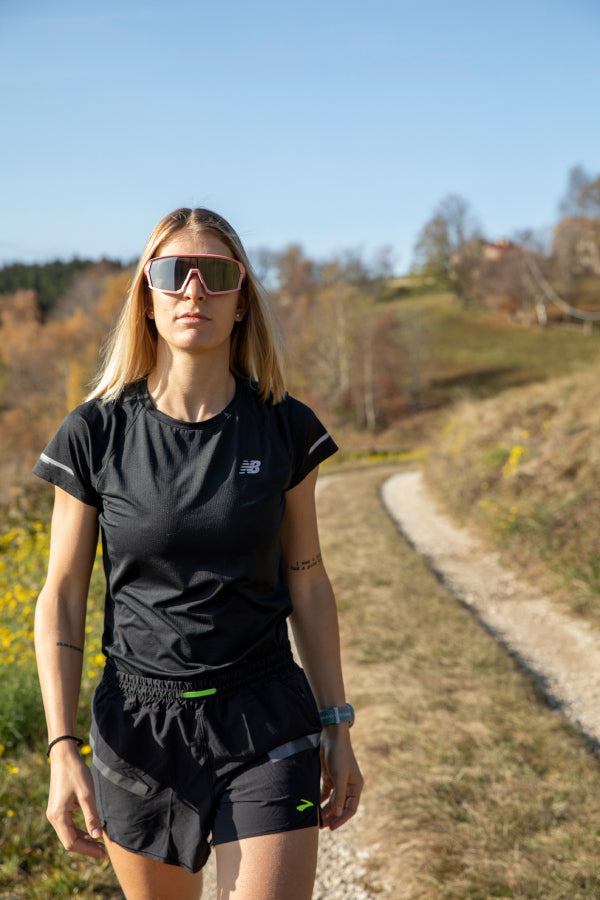
Why trail running feels different from road running
Unlike traditional road running, trail running takes place on natural terrain such as mountain paths, forest trails, coastal tracks, gravel roads, and even volcanic slopes. Every step requires focus, balance, and adaptability because the ground constantly changes beneath your feet.
This is what makes trail running so fascinating: it is not only about speed or distance, but about reading the trail, managing effort, overcoming obstacles, and immersing yourself in the beauty of the natural world.

Connection with Nature
Trail running offers a rare opportunity to break free from daily routines and rediscover a deeper connection with the outdoors. Instead of paved streets, traffic, and crowded urban paths, the trail leads you into forests, hills, mountains, riversides, and open landscapes where silence and movement meet.
Running through these places is not just physical activity; it is immersion. The crunch of gravel, the sound of wind through trees, the rhythm of your breathing, and the changing texture of the ground turn every run into a direct conversation with the environment.
This contact with nature can bring a strong sense of calm and clarity. For many runners, the trail becomes a form of moving meditation: a way to release stress, reset the mind, and feel present in the moment.
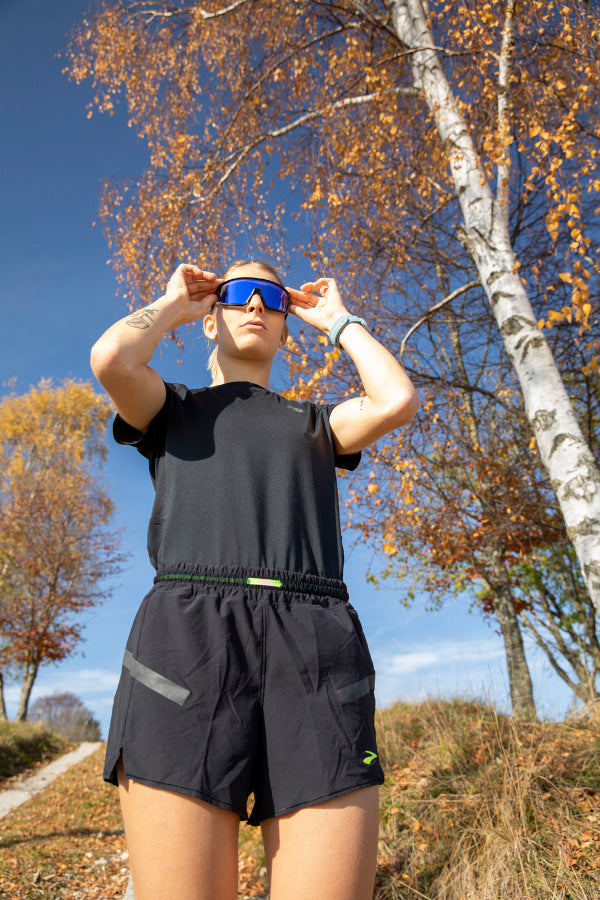
Variety of Terrains and Challenges
One of the greatest appeals of trail running is its endless variety. No two trails are ever exactly the same, and that is what makes the sport so captivating. Each route brings new challenges: steep climbs that test strength, rocky descents that demand precision, and winding forest paths that awaken your sense of adventure.
Unlike the predictability of road running, trail running constantly engages both body and mind. You learn to adapt to roots, stones, mud, loose gravel, wet leaves, and sudden changes in gradient. This variety keeps training fresh and transforms every run into exploration.
Climbs
Uphill sections build strength, patience, breathing control, and the ability to manage effort over time.
Descents
Downhill trails require balance, quick reactions, foot placement, and confidence without losing control.
Technical paths
Rocks, roots, and narrow trails improve coordination and make every step more intentional.
Trail running is not just about covering distance
It is about embracing the journey, with all its climbs and descents, and discovering how capable you can become when nature challenges your rhythm.

Community Spirit
One of the most remarkable aspects of trail running is its strong sense of community. Although running can be a deeply personal activity, the trail running world is often welcoming, supportive, and connected by shared respect for nature and effort.
Runners greet each other on the trails, exchange advice, share routes, and celebrate the experience as much as the result. Events and races are rarely only about beating others; they are about sharing the journey. Whether it is a small local race or a long-distance mountain challenge, the atmosphere is often friendly, relaxed, and filled with mutual encouragement.
This community spirit transforms trail running from a sport into a shared adventure. Friendships built on the trails often last far beyond a finish line because they are rooted in effort, discovery, and passion.
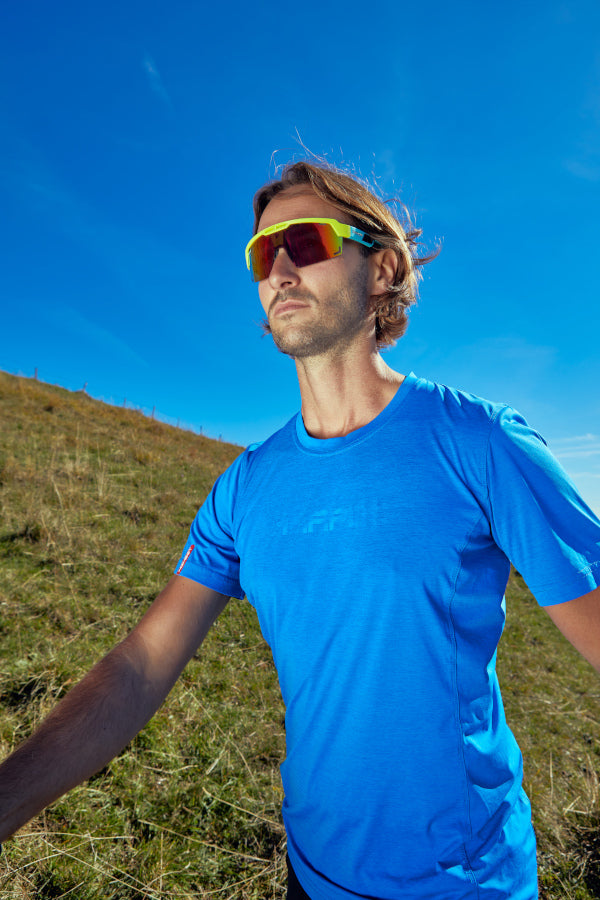
A Sense of Freedom
Few experiences can match the sense of freedom that trail running provides. Running through wild landscapes, over hills, through forests, along rivers, or near cliffs offers a liberating escape from the limits of everyday life.
The absence of traffic, noise, and crowds allows you to reconnect with yourself and with the world in its purest form. Each trail becomes a journey of discovery, where the destination matters less than the movement itself.
Trail running encourages you to push beyond familiar routes and expand your mental horizons. It reminds you that true freedom is not only found in speed, but in the ability to move, explore, and find joy in every step.
Resilience and Self-Discovery
Trail running demands a remarkable blend of physical strength and mental resilience. Uneven terrain, sudden weather changes, steep climbs, long descents, and moments of fatigue all test both body and mind.
As you face each obstacle, something deeper happens: you begin to discover your inner strength. The solitude of the trail and the unpredictability of nature become powerful teachers. Every time you push through tired legs, navigate a rocky path, or reach the top of a climb, you build confidence not only as a runner, but as a person.
This process of self-discovery is what makes trail running more than a sport. Every ascent reflects the challenges we face, and every summit reminds us that persistence leads to growth.
- Patience: the trail teaches you to manage effort instead of forcing the pace.
- Adaptability: every surface asks you to react, adjust, and stay focused.
- Confidence: every completed route becomes proof that your limits can move.
- Presence: technical terrain keeps your mind anchored to the moment.
Essential Gear for Trail Running
Trail running does not require excessive equipment, but the right essentials can make every outing safer, more comfortable, and more enjoyable. The goal is to choose gear that supports movement without adding unnecessary weight or distraction.
Why sports glasses matter on the trail
Trail running often means moving quickly between open sun, shaded woods, dusty paths, and windy ridges. A good pair of sports glasses can improve visual comfort and help protect your eyes from debris, insects, UV rays, and branches.
Look for lightweight frames, stable grip, ventilation to reduce fogging, and lenses suited to your usual light conditions. Photochromic lenses can be especially useful for routes where brightness changes frequently, while mirrored lenses can be ideal for bright, open environments.
How to Start Trail Running
If you are new to trail running, begin gradually. The trail can be more demanding than the road because elevation, surface, and technical sections change the effort even when the distance seems short.
Choose easy trails
Start with wide paths, gentle climbs, and familiar routes before moving to technical terrain.
Slow down
Trail pace is naturally different. Focus on control, breathing, and consistency instead of road speed.
Use short steps
A shorter stride helps improve balance and makes it easier to react to roots, stones, and turns.
Walk the climbs
Power hiking steep sections is normal and often more efficient than trying to run every ascent.
Respect the trail
Stay on marked paths, leave no waste, and share the environment responsibly with others.
Build gradually
Increase distance and elevation step by step so your muscles, joints, and confidence can adapt.
A practical mindset for beginners
Do not measure trail running only by pace. Measure it by time on feet, quality of movement, confidence on terrain, and how well you finish the route.
FAQ About Trail Running
Is trail running harder than road running?
Can beginners start trail running?
Do I need special shoes?
Are sports glasses useful for trail running?
What is the best way to improve?
Claim Your 15% Reward Coupon
Discover the complete Demon collection of running and trail running glasses, designed for protection, comfort, and performance during every run.
Use the coupon code above and receive 15% off your purchase.
