
Comparison of Full-Face MTB and Chinless Helmets for Mountain Bike Adventures
Choosing the right mountain bike helmet is not only about comfort: it affects confidence, protection, visibility, airflow, and the way you approach every trail. This complete guide compares full-face MTB helmets and chinless open-face helmets to help you understand which option is better for your riding style.
Quick Answer: Which Helmet Should You Choose?
For aggressive downhill, enduro, bike park riding, jumps, and technical descents, a full-face MTB helmet is the safer and more protective choice. For cross-country, trail riding, long climbs, summer rides, and less extreme terrain, a chinless open-face helmet is usually lighter, cooler, and more comfortable.
Choose full-face if...
You ride fast descents, technical trails, rocky terrain, drops, enduro stages, or bike parks where facial protection matters.
Choose chinless if...
You prioritize airflow, low weight, comfort, visibility, and pedaling efficiency on XC, trail, or endurance rides.
Consider modular if...
You want one helmet for mixed rides and prefer the option of adding or removing a chin guard depending on the trail.
Practical verdict: the best helmet is not simply the most protective or the lightest one. It is the helmet that matches your terrain, stays securely in place, feels comfortable enough to wear for the whole ride, and gives you the level of protection your riding demands.

Understanding the Importance of Helmet Safety in Mountain Biking
Safety should always be the first priority when mountain biking. Trails can be unpredictable, with rocks, roots, loose gravel, jumps, steep descents, narrow turns, and sudden obstacles. A crash can happen even to experienced riders, especially when speed, fatigue, weather, or low visibility are involved.
Mountain bike helmets are designed to absorb and distribute impact forces, reducing the risk of serious head injury. However, different helmet designs protect different areas of the head and face. This is why choosing between a full-face and a chinless helmet should depend on the type of riding you do most often.
Full-face MTB helmets
These helmets cover the entire head and include an integrated chin guard. They offer protection for the skull, jaw, chin, and face, making them ideal for higher-risk disciplines such as downhill, freeride, enduro, and bike park riding.
Chinless open-face helmets
These helmets protect the top, sides, and back of the head while leaving the face open. They are usually preferred for cross-country, trail, and long-distance rides where ventilation, low weight, and comfort are priorities.
Wearing a helmet is only the starting point. The helmet must fit correctly, sit level on the head, stay stable during movement, and be properly fastened. A poorly fitted helmet can shift during a crash and reduce the protection it is designed to provide.
The Different Types of Mountain Bike Helmets
Mountain biking includes many disciplines, from relaxed forest trails to technical downhill tracks. Each type of helmet is designed to balance protection, weight, ventilation, and freedom of movement in a different way.
Full-Face MTB Helmets
Full-face helmets provide the highest level of coverage. Their chin guard protects the lower face and jaw, while the extended shell gives additional protection around the sides and back of the head.
- Best for downhill and enduro
- Recommended for bike parks and jumps
- Maximum facial and jaw protection
Chinless Open-Face Helmets
Open-face helmets are lighter and more ventilated. They are designed for riders who pedal more, climb often, and need comfort over long distances without excessive heat buildup.
- Best for XC, trail, and endurance rides
- Excellent airflow and visibility
- Reduced neck and shoulder fatigue
Hybrid or Modular Helmets
Modular helmets include a removable chin guard or adaptable coverage. They can be useful for riders who want one helmet for mixed routes with both climbs and technical descents.
- Flexible protection level
- Useful for mixed terrain
- One helmet for different ride styles
Important: helmet type matters, but fit matters just as much. Even the most advanced helmet cannot perform properly if it is too loose, too tight, incorrectly positioned, or not securely fastened.
Features and Advantages of Full-Face MTB Helmets
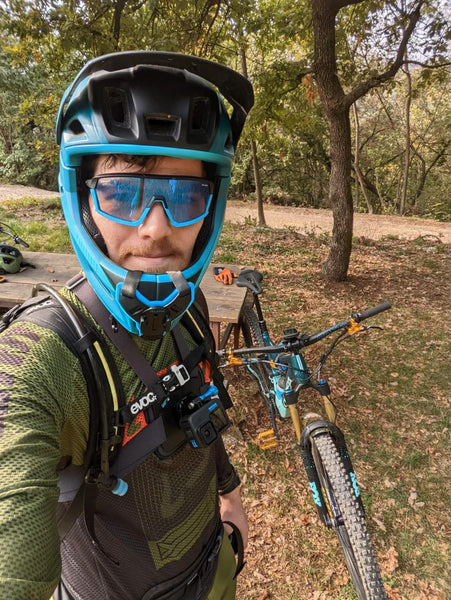
Full-face mountain bike helmets are built to provide maximum protection for the entire head and face. Unlike standard open-face helmets, they include a chin guard that shields the jaw and lower face from direct impacts, rocks, branches, roots, and trail debris.
This design is especially valuable when riding fast, steep, technical, or unpredictable trails. In these conditions, crashes can involve forward falls, side impacts, or contact with hard obstacles. A full-face helmet gives the rider additional confidence because it protects areas that open-face helmets leave exposed.
Key Features of Full-Face MTB Helmets
Integrated Chin Guard
The chin guard protects the jaw and lower face, which are more exposed during frontal crashes or high-speed falls.
Extended Head Coverage
Full-face helmets generally offer deeper coverage around the sides and rear of the head for added security on rough trails.
Adjustable Visor
A visor helps shield the eyes from sunlight, mud, rain, dust, and branches, improving focus during demanding rides.
Secure Fit System
Padding, retention systems, and strong straps help keep the helmet stable during jumps, impacts, and fast direction changes.
Who Benefits Most from a Full-Face Helmet?
A full-face helmet is the best choice for riders who regularly face high-speed descents, steep terrain, bike parks, enduro stages, jumps, drops, rocky lines, or aggressive technical trails. It is also a smart option for riders who want extra confidence after previous crashes or for those who are progressing into more demanding MTB disciplines.
Pros and Cons of Wearing a Full-Face Helmet
Full-face helmets offer the highest protection among common MTB helmet styles, but they also involve some compromises. Understanding both sides helps you choose the right equipment for your ride.
Pros
- Complete protection: covers the head, chin, jaw, and face.
- More confidence: ideal for steep descents, jumps, drops, and technical terrain.
- Better debris protection: shields the face from stones, branches, mud, and trail debris.
- Stable fit: designed to stay secure during aggressive riding.
- Strong impact absorption: built for high-risk riding environments.
Cons
- Heavier feel: more material means more weight on the head and neck.
- Less ventilation: can feel warmer on climbs or in hot weather.
- Reduced convenience: bulkier to carry and less comfortable during long stops.
- Different field of view: the chin guard may require a short adaptation period.
- Higher price: often more expensive than basic open-face helmets.
Best use: full-face helmets are ideal when the potential consequences of a crash are higher than the inconvenience of extra weight and reduced airflow.
The Benefits of Chinless Helmets for Mountain Bike Adventures
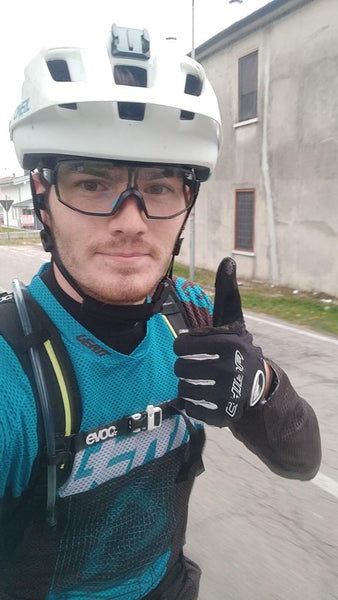
Chinless helmets, also called open-face helmets, are among the most popular choices for trail and cross-country riders. They protect the head while keeping the face open, making them lighter, cooler, and easier to wear for long periods.
Their main strength is comfort. When you spend a lot of time pedaling, climbing, or riding in warm weather, ventilation and low weight can make a major difference in how fresh and focused you feel.
Main Advantages of Chinless Open-Face Helmets
Lightweight Design
Less material means reduced fatigue on the neck and shoulders, especially during long climbs or endurance rides.
Superior Ventilation
Large vents and an open structure help regulate temperature and reduce sweat buildup during intense pedaling.
Wider Field of Vision
With no chin guard, riders can look around more naturally and react quickly to trail changes, obstacles, and turns.
Easy Communication and Hydration
The open design makes it easier to speak, drink, adjust glasses, or take quick breaks without removing the helmet.
Chinless helmets are excellent for riders who value comfort, airflow, and efficiency. They are especially suitable for cross-country, trail riding, moderate descents, fitness rides, and routes where climbing is a large part of the experience. The trade-off is clear: they do not protect the chin, jaw, or face in the same way a full-face helmet does.

How to Choose the Right Helmet for Mountain Bike Adventures
The right helmet should match your riding style, trail difficulty, comfort needs, and head shape. A helmet that feels perfect for one rider may not fit another rider correctly, even if the size looks similar on paper.
1. Measure Your Head Correctly
Use a flexible tape measure and wrap it around the widest part of your head, just above the eyebrows and around the back of the skull. Compare the measurement with the brand’s size chart. The helmet should feel snug but not painful, with no pressure points and no large gaps.
2. Match the Helmet to Your Riding Style
Choose full-face for:
- Downhill and bike park riding
- Enduro stages and technical descents
- Rocky trails, drops, jumps, and high-speed terrain
- Riders who want maximum face and jaw protection
Choose chinless for:
- Cross-country and trail rides
- Long climbs and endurance sessions
- Warm weather and high-effort pedaling
- Riders who prioritize lightness, airflow, and visibility
3. Check Ventilation and Comfort
Ventilation matters more than many riders expect. A helmet that overheats quickly can become distracting, especially on long climbs or during summer rides. Look for well-positioned vents, comfortable padding, moisture-wicking liners, and straps that do not rub against your ears or neck.
4. Look for Practical Features
Useful features may include an adjustable visor, removable liners, goggle compatibility, eyewear storage channels, a secure retention system, and easy-to-use buckles. The best features are the ones that genuinely improve your riding, not just the ones that look impressive on a product page.
5. Check Safety Certifications
Choose a helmet that meets recognized safety standards such as CPSC, CE, or ASTM, depending on your market and discipline. For downhill or bike park riding, look for helmets designed specifically for more aggressive MTB use.
Fit test: fasten the helmet, shake your head gently, and check that it does not slide forward, backward, or sideways. The front edge should sit low enough to protect the forehead without blocking your vision.
Maintenance Tips and Mountain Bike Helmet Care
A helmet is protective equipment, not just an accessory. Proper cleaning, storage, and inspection help preserve its comfort and protective function over time.
Clean After Dirty Rides
Use warm water, mild soap, and a soft cloth or sponge. Avoid solvents, harsh chemicals, abrasive cleaners, and strong degreasers because they can damage foam, shell materials, or coatings.
Inspect for Damage
Check the outer shell, foam liner, straps, buckles, visor, and retention system. Cracks, dents, compressed foam, or damaged straps are warning signs that the helmet may no longer protect correctly.
Store It Properly
Keep your helmet in a cool, dry place away from direct sunlight, high heat, and heavy objects. Avoid leaving it inside a hot car for long periods.
Replace When Needed
Replace your helmet after a significant impact, even if the damage is not visible. Also consider replacement after years of heavy use, especially if the materials show signs of aging or wear.
Removable pads can often be washed separately, but always follow the manufacturer’s care instructions. Properly adjusted straps and clean padding also improve comfort, which makes you more likely to wear the helmet correctly every time.
Full-Face vs Chinless Helmets: Safety and Functionality Comparison
Both helmet types can be excellent choices, but they serve different riders and different terrain. The comparison below summarizes the most important differences in a format that is easy to read at a glance.
Protects the head, chin, jaw, and face.
Protects top, sides, and rear, but leaves the face exposed.
Ideal for speed, drops, jumps, and technical terrain.
Ideal for climbs, longer rides, and moderate trails.
Can feel warmer during climbs or hot conditions.
Better cooling and comfort during high-effort rides.
More protective material means more weight.
Less fatigue on long rides and climbs.
Modern designs are wide, but the chin guard changes perception.
Natural vision and easy communication.
Warmer and heavier during long uphill efforts.
Better for pedaling, heat management, and endurance.
Final comparison: full-face helmets win for protection, while chinless helmets win for comfort, ventilation, and pedaling efficiency. The right choice depends on the trail, speed, risk level, and how long you plan to ride.
Popular Brands and Models of MTB Full-Face and Chinless Helmets
Many reputable brands produce mountain bike helmets for different disciplines and budgets. Well-known names include Bell, Giro, Troy Lee Designs, Fox, Kali Protectives, POC, Smith, Leatt, MET, and 100%. Availability, specifications, and model names can vary, so always check the latest product details before buying.
Examples of Full-Face MTB Helmets
- Bell Super DH MIPS – often chosen by riders looking for strong coverage and versatility.
- Giro Switchblade MIPS – known as a convertible-style option with removable chin bar design.
- Troy Lee Designs D3 – a popular full-face line among downhill and gravity riders.
- Fox Proframe – a lightweight full-face option aimed at enduro-style riding.
Examples of Chinless Open-Face Helmets
- Bell Sixer MIPS – a trail helmet style focused on coverage and ventilation.
- Giro Montaro MIPS – commonly used for trail riding with good airflow and eyewear compatibility.
- Kali Protectives Maya – a compact open-face helmet designed for trail use.
- POC Tectal – a well-known option for riders who want extended coverage without a chin guard.
When comparing models, do not choose based only on brand reputation. Try to evaluate fit, comfort, weight, ventilation, visor position, strap quality, eyewear compatibility, and the riding discipline the helmet is designed for.
FAQ: Full-Face and Chinless MTB Helmets
Is a full-face helmet always safer?
A full-face helmet offers more coverage, especially for the face, chin, and jaw. For aggressive riding it is usually the safer option. For lighter trail or XC riding, an open-face helmet can still be appropriate if it fits correctly and matches the level of risk.
Can I use a chinless helmet for downhill riding?
It is not the ideal choice for downhill or bike park riding because the face and jaw remain exposed. For high-speed descents, jumps, drops, and technical terrain, a full-face helmet is generally the better choice.
Are modular helmets a good compromise?
Modular helmets can be useful for riders who climb with the chin guard removed and descend with more protection. They are a practical solution for mixed rides, but it is important to check that the removable system is secure and suitable for your riding style.
How tight should a mountain bike helmet be?
It should feel snug and stable without causing pain. When fastened, it should not slide around your head. The front should sit just above the eyebrows, and the straps should form a secure shape around the ears.
Should I replace my helmet after a crash?
Yes. If the helmet has taken a significant impact, replace it even if it looks normal. Internal foam can be compressed or damaged in ways that are not always visible.
Final Thoughts
Selecting the right mountain bike helmet means finding the right balance between protection, comfort, ventilation, weight, and confidence. Full-face helmets are the best choice for riders who face higher speeds, technical descents, drops, and aggressive terrain. Chinless helmets are better for riders who need lightness, airflow, and comfort during long climbs, cross-country routes, and everyday trail riding.
Whichever style you choose, make sure the helmet fits correctly, meets recognized safety standards, and is cared for properly. A well-chosen helmet helps you ride with more confidence and enjoy every mountain bike adventure with the right level of protection.
↑ Back to the beginningDiscover Demon Cycling Glasses for Your Next Ride
Complete your mountain bike setup with cycling glasses designed for protection, stability, visual comfort, and performance on road, gravel, and MTB routes.

Use the coupon code below and receive 15% off your purchase.
The right helmet protects your head. The right cycling glasses help protect your eyes from wind, dust, insects, sunlight, and trail debris.