
-
SPEED VENT
Vendor:Cycling Glasses with High Contrast Mirrored LensRegular price €69,90Regular priceUnit price per -
SUPERPIUMA
Vendor:Cycling Glasses with High Contrast Mirrored LensRegular price €79,90Regular priceUnit price per -
SPEED VENT
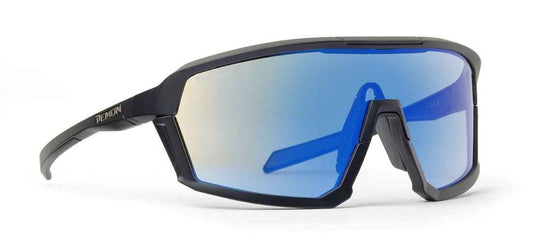
Vendor:Cycling Glasses with Photochromic Mirrored Lens DCHROM® Cat. 1-3Regular price €129,90Regular priceUnit price per




Collection: Racing Bike Glasses
Glasses for Racing Bikes
Road cycling is one of the most popular and widely followed forms of competitive cycling in the world. From amateur enthusiasts to professional athletes, racing bikes have captured the hearts of millions. The sport boasts a rich history, dating back to the first official competitions in 1868 in Paris, organized by the Vélo Club Parisien. Over the decades, road cycling has grown into a globally recognized discipline, with a vibrant community, daily updates on news, race results, athlete performances, and live broadcasts reaching fans across all continents.
Whether you are a professional racer, a competitive amateur, or a recreational cyclist, enjoying road cycling to its fullest requires not only skill and training but also the right equipment. While the racing bike itself is obviously central, other technical gear plays an equally important role. This includes cycling apparel designed for aerodynamics, comfort, and weather protection, as well as specialized accessories such as gloves, helmets, and most importantly, high-performance cycling glasses.
Cycling glasses are not just a fashion statement they are a critical component of safety, comfort, and performance. They protect the eyes from wind, dust, debris, and UV rays, improve visibility under varying light conditions, and enhance focus and reaction times during rides. For racing cyclists, selecting the right glasses can make a noticeable difference, whether you’re navigating tight corners, descending at high speeds, or monitoring your instruments like speedometers and GPS devices.
In short, for anyone passionate about road cycling, investing in the proper cycling glasses and technical equipment is essential to fully enjoy the sport, maximize performance, and protect your eyes, allowing every ride whether competitive or recreational to be safe, comfortable, and exhilarating.

More than eyewear: a technical companion for every road ride
For racing cyclists, the right glasses should do more than simply darken bright light. They should help create a stable and distraction-free visual experience from the first kilometer to the last, keeping the eyes protected when the pace rises, the wind intensifies, and road conditions change unexpectedly.
On long road rides, eyewear quality influences comfort in ways riders feel immediately: reduced tearing on descents, less irritation from airborne debris, more consistent visibility in changing light, and better concentration when scanning the road, corners, group dynamics, and cycling computer.
That is why the ideal racing bike glasses combine coverage, fit, ventilation, visual clarity, and lens suitability in a single solution. A good pair should feel lightweight, remain stable under a helmet, maintain a broad field of vision, and support riders through bright sun, shaded stretches, variable skies, and fast efforts.
Choosing Glasses for Racing Bikes
When it comes to selecting glasses for racing bikes, cyclists’ needs and preferences can vary greatly depending on riding style, speed, terrain, and personal comfort. Some riders prefer the full mask design, while others opt for glasses with separate lenses. Understanding the differences between these types helps cyclists choose eyewear that maximizes protection, performance, and comfort.
What experienced riders usually evaluate first
Before choosing a frame, cyclists usually consider how the glasses behave in real riding conditions: how much of the eye area is covered, how stable the frame remains during effort, how easily the lens adapts to changing light, and how comfortable the glasses feel under a helmet over several hours. These practical elements often matter just as much as style, because road cycling places constant demands on vision, concentration, and comfort.


Mask Glasses
Mask-style glasses are a top choice for road cyclists who demand maximum protection, performance, and style. Typically equipped with mirrored or photochromic lenses, they offer a bold, aerodynamic, and aggressive look that complements the dynamic nature of racing bikes. Unlike traditional glasses with separate lenses, mask glasses feature a continuous lens that forms a full shield across the eyes, providing uninterrupted protection a critical advantage at the high speeds common in road cycling.
Key Benefits of Mask Glasses
- Superior Protection from Debris – The wraparound design acts as a barrier against wind, dust, leaves, insects, and small stones, reducing the risk of eye irritation or injury during rides. Unlike separate-lens designs, mask glasses ensure that no gaps leave your eyes exposed, making them particularly useful in fast-paced or long-distance cycling.
- Enhanced Wind Resistance – The continuous lens surface minimizes airflow around the eyes, helping to prevent tearing, dryness, and irritation. This is especially important for cyclists who ride at high speeds, where even minor eye discomfort can impact focus, reaction time, and overall performance.
- Lightweight Yet Robust Construction – Thanks to advanced frame and lens materials, mask glasses are designed to provide excellent protection without adding unnecessary weight. Riders benefit from a lightweight fit that remains comfortable during long rides while still offering the durability needed to withstand accidental impacts or environmental hazards.
- Aerodynamic Efficiency – The seamless, wraparound shape reduces drag, enhancing aerodynamic performance. For competitive cyclists, this can contribute to slightly faster times and improved efficiency, particularly in time trials or races where every advantage counts.
- Full Visual Coverage – Mask glasses offer wide peripheral vision while shielding the eyes, allowing cyclists to maintain awareness of their surroundings, track instruments, and navigate safely through traffic, group rides, or challenging terrain.
Who Should Choose Mask Glasses?
Mask-style glasses are ideal for cyclists who primarily focus on road cycling or racing scenarios, where speed, full eye protection, and aerodynamics are paramount. They are especially beneficial for riders who frequently encounter high-speed descents, variable weather conditions, or debris-prone roads, providing confidence, safety, and comfort throughout every ride.
Professional road-riding advantage
For riders who spend most of their time on open roads, mask glasses often feel like the most complete solution because they combine one-piece coverage, visual continuity, and a strong racing aesthetic. They are especially effective when the rider wants a clean, uninterrupted line of sight while descending, drafting, cornering, or checking navigation and performance data at speed.
Glasses with Separate Lenses
Glasses with two separate lenses are among the most versatile options for cyclists, particularly for those who alternate between road cycling and mountain biking. These glasses provide the flexibility to adapt to different environments and conditions without the need to purchase multiple specialized eyewear sets. With the right frame and lens combination, a single pair can meet the demands of high-speed road rides, off-road trails, and variable lighting conditions.
Key Advantages and Considerations
- Frame Construction for Protection – For cyclists who engage in mountain biking or off-road riding, it’s advisable to select frames with thicker temples. These robust temples provide extra shielding from obstacles such as leaves, branches, rocks, or small debris, helping to protect the eyes and maintain safety on technical trails. While these reinforced temples may not be as necessary for smooth road cycling, they add a critical layer of protection in more rugged environments.
- Interchangeable Lenses for Versatility – Many separate-lens glasses are compatible with interchangeable lenses, allowing cyclists to switch between mirrored, smoke, or photochromic lenses depending on lighting conditions, terrain, and personal preferences. This adaptability ensures optimal visibility, eye protection, and comfort whether riding in bright sunlight, overcast conditions, or shaded forest trails.
- Aesthetic vs. Functional Impact – While thicker or more protective temples may have limited impact on smooth road performance, they are functionally valuable for off-road or mixed-discipline riding. Multi-discipline riders benefit from the combination of lightweight design for road speed and extra coverage for trail safety, making separate-lens glasses a practical and cost-effective solution for versatile cycling.
- Wide Field of Vision – Separate-lens designs often offer a balanced peripheral view, allowing cyclists to maintain awareness of their surroundings, spot obstacles, and monitor fellow riders or traffic while enjoying the benefits of protective eyewear.
Who Should Choose Separate-Lens Glasses?
Separate-lens glasses are ideal for cyclists who ride across multiple disciplines or for those who want one adaptable pair of eyewear for various environments. They provide the flexibility, protection, and lens customization needed to handle both high-speed road cycling and technical off-road trails, offering a balanced solution for riders seeking performance, comfort, and durability in a single pair of glasses.
Why many riders appreciate this format
Separate-lens glasses are often appreciated by cyclists who want flexibility across different ride types without giving up an athletic look and reliable protection. They can be a particularly intelligent choice for riders who move between training rides, mixed routes, changing weather, and different seasons, because they make lens selection a more modular and practical part of the eyewear system.

Choosing the Right Design
Selecting the right type of cycling glasses is a crucial decision for any rider, as it directly impacts comfort, safety, and performance on the bike. The choice between mask glasses and separate-lens glasses should be guided by your riding habits, terrain, speed, and personal preferences. Understanding the distinctions between these designs ensures that your eyewear fully supports your cycling experience.
Mask Glasses
Mask-style glasses are specifically designed for road cyclists or competitive riders who prioritize:
- Maximum Eye Protection – The wraparound design provides a continuous shield against wind, dust, debris, insects, and small obstacles, which is especially important at high speeds.
- Aerodynamic Efficiency – The seamless lens reduces drag, helping riders maintain speed and efficiency during racing or time trials.
- High-Speed Comfort – The full-coverage design minimizes tearing and irritation caused by wind, allowing for longer, more comfortable rides.
Mask glasses are ideal for cyclists who primarily ride on smooth roads or in racing scenarios where speed and full eye protection are the top priorities.
Separate-Lens Glasses
Glasses with separate lenses are highly versatile and suitable for riders who want a single pair of eyewear for multiple disciplines, including:
- Road Cycling and Mountain Biking – Interchangeable lenses allow cyclists to adapt to different light conditions and terrains, offering flexibility for off-road trails as well as smooth pavement.
- Added Protection on Rough Terrain – Frames with thicker temples help shield the eyes from branches, leaves, and small debris during mountain biking, while still being suitable for road rides.
- Customizable Lens Options – Separate-lens glasses can accommodate mirrored, smoke, or photochromic lenses, ensuring optimal clarity and comfort in varied lighting.
This design is particularly advantageous for multi-discipline riders, offering a balance of protection, comfort, and adaptability in one eyewear solution.
Making the Right Choice
Ultimately, choosing the right design comes down to understanding your specific cycling needs:
- Mask glasses are best for riders focused on speed, aerodynamics, and maximum eye protection on the road.
- Separate-lens glasses are ideal for cyclists seeking versatility, interchangeable lenses, and protection across different environments, including trails and off-road paths.
By carefully considering these factors, cyclists can select eyewear that not only protects the eyes from sunlight, wind, and debris, but also enhances performance, comfort, and safety across all types of cycling activities. The right choice ensures that your glasses become a reliable companion, allowing you to ride with confidence and focus, regardless of the conditions or terrain.
Choosing the Right Lenses for Racing Bike Glasses
When it comes to cycling eyewear, the choice of lenses is highly personal, and there are no strict rules for selecting the “perfect” lens. Preferences vary depending on riding style, terrain, light conditions, and individual comfort. However, understanding the different types of lenses available can help cyclists make an informed decision and ensure optimal performance, protection, and visual clarity.
Why lens selection matters so much in road cycling
On a racing bike, visual transitions happen constantly. Riders move from exposed roads to shaded sections, from neutral weather to reflective afternoon light, and from relaxed cruising to demanding descents where reaction speed matters. The right lens helps preserve visual comfort, maintain road definition, reduce unnecessary eye fatigue, and keep concentration more stable through every phase of the ride.
An effective lens choice is therefore not only about darkness or style. It is about how consistently the rider can read the road surface, perceive contrast, tolerate glare, monitor instruments, and remain comfortable over many kilometers.


Photochromic Lenses
Photochromic lenses are specialized adaptive lenses designed to automatically adjust their tint in response to sunlight and UV exposure. When exposed to bright light, the lenses darken to reduce glare and protect the eyes from harmful UV rays. Conversely, as the light diminishes such as when entering shaded areas, tunnels, or under tree canopies the lenses gradually return to a transparent or nearly clear state. This dynamic adaptation ensures that your vision remains comfortable, clear, and strain-free across constantly changing light conditions.
Why Photochromic Lenses Are Ideal for Cyclists
Cyclists frequently encounter environments where lighting can change rapidly and unpredictably. Photochromic lenses provide continuous visual comfort in these situations:
- Mountain Biking: Trails often alternate between open sunlit areas and densely shaded forest sections. Photochromic lenses adjust seamlessly, maintaining visibility of obstacles, terrain changes, and natural debris like leaves, branches, or rocks.
- Road Cycling: Long rides on open roads or city streets expose riders to bright sunlight, reflective surfaces, and tunnels. Photochromic lenses help reduce glare, improve visual clarity, and protect the eyes during prolonged exposure to sunlight.
- Variable Weather Conditions: Sudden changes in cloud cover, rain, or fog can significantly affect light levels. Photochromic lenses automatically respond to these fluctuations, eliminating the need to swap glasses or remove eyewear.
Key Advantages
- Eye Protection: Blocks harmful UVA and UVB rays while reducing glare and squinting.
- Adaptability: Eliminates the need for multiple pairs of glasses for different lighting conditions.
- Visual Comfort: Reduces eye fatigue during long rides, allowing cyclists to maintain focus and performance.
- Versatility: Suitable for both mountain biking and road cycling, as well as other outdoor activities where light conditions can vary.
Photochromic lenses offer a perfect balance of protection, adaptability, and comfort, making them an essential choice for cyclists who ride across varied terrain, lighting conditions, and weather environments. They allow riders to maintain clear vision and focus at all times, improving both safety and performance.
Photochromic Smoke Lenses
The Photochromic Smoke lens is an ideal choice for cyclists, especially those engaged in mountain biking or off-road riding, due to its gradual and controlled darkening properties. These lenses are designed to adapt seamlessly to varying light conditions, providing consistent protection, comfort, and visibility across diverse terrains.
Key Features and Benefits
- Light Adaptation – Photochromic Smoke lenses start completely transparent (Category 1) and gradually darken to Category 2.5 in direct sunlight. This smooth transition allows the eyes to quickly adjust when moving between bright open areas and shaded forest zones, eliminating the need to remove or switch glasses. This feature is especially valuable on trails with rapidly changing light conditions, ensuring uninterrupted performance and focus.
- Enhanced Visibility in Shadows – In dense forests, tree-covered paths, or shaded sections of a trail, these lenses remain nearly transparent. This ensures that cyclists can clearly see obstacles, rocks, leaves, and branches, while still being protected from airborne debris such as dust, dirt, or small stones. The lens strikes an ideal balance between visibility and protection, allowing riders to maintain safety and confidence on technical trails.
- Night or Low-Light Use – Because Photochromic Smoke lenses maintain a clear or lightly tinted state in low-light conditions, they are suitable for evening rides, dusk outings, or night cycling. While they do not replace specialized night-vision equipment, they offer basic protection from wind, dust, and minor environmental hazards, making them a versatile choice for riders who cycle at varying times of day.
- Consistent Performance – The gradual and predictable transition from light to dark reduces eye strain and prevents sudden vision adjustments that could disrupt focus. This allows cyclists to maintain consistent attention and reaction times, which is particularly important on trails with frequent changes in light, elevation, and obstacles.
- Protection from Glare – The smoke tint also helps reduce glare from reflective surfaces, such as wet leaves, puddles, or metallic equipment, further enhancing comfort and visual clarity on challenging routes.
Ideal Use Cases
Photochromic Smoke lenses are perfect for mountain bikers, trail riders, and off-road cyclists who experience:
- Rapid transitions between sunlight and shade
- Technical trails with natural obstacles
- Evening rides or low-light conditions
- Situations where eye protection from debris and glare is essential
Photochromic Smoke lenses combine adaptability, protection, and visual clarity, making them a top choice for riders who need reliable eyewear across diverse light and environmental conditions. They allow cyclists to focus on performance and safety, without being hindered by sudden changes in sunlight or trail conditions.
Photochromic DCHROM® Lenses
The Photochromic DCHROM® lens is a highly versatile option for cyclists who ride both road and mountain biking routes, particularly under stable daylight conditions or during prolonged exposure to sunlight. These lenses combine light adaptation, strong UV protection, and visual comfort, making them suitable for riders who prioritize consistent performance over variable lighting.
Key Features and Benefits
- Starting Tint – DCHROM® lenses begin with a slightly tinted base (Category 1), providing an immediate reduction in glare without excessively darkening the visual field. This starting tint ensures that riders can comfortably navigate moderate sunlight conditions from the first moment they put the glasses on.
- Maximum Darkness – Under bright sunlight, the lenses darken to Category 3, equivalent to conventional sunglasses, offering strong protection against intense light and glare. This ensures sustained visual comfort during long rides on open roads or sunlit trails.
- Road Cycling Advantages – For road cyclists, DCHROM® lenses provide consistent, reliable vision throughout long-distance rides. Riders do not need to remove their glasses when entering or exiting shaded areas, maintaining focus on the road, instruments, and surrounding traffic.
- Mountain Biking Considerations – While suitable for off-road riding, DCHROM® lenses may feel slightly darker in densely shaded forests or heavily covered trails, potentially affecting visibility in very low-light zones. Riders should consider pairing these lenses with lighter-tint or interchangeable options if riding in areas with significant shadow.
- Night or Low-Light Limitations – Due to their starting tint, DCHROM® lenses are not recommended for night rides or extremely low-light conditions, as they may reduce visibility and compromise safety.
Why DCHROM® is particularly attractive for road cyclists
DCHROM® lenses are especially compelling for riders who spend many hours on the road and want a more performance-oriented balance between glare management, automatic adaptation, and lasting daylight comfort. For open asphalt routes, rolling hills, exposed training sessions, and bright race-day conditions, they offer a more substantial visual shield while preserving the convenience of photochromic behavior.

| Feature | Photochromic Smoke | Photochromic DCHROM® |
|---|---|---|
| Starting Tint | Transparent (Category 1) | Slightly tinted (Category 1) |
| Maximum Darkness | Category 2.5 | Category 3 |
| Best For | Mountain biking, variable light, night/low-light rides | Road cycling, mountain biking (bright/light-stable areas) |
| Adaptation Speed | Fast transition from light to dark | Moderate transition; consistent for prolonged sunlight |
| Protection from Debris | Yes, including leaves and branches | Yes, but slightly darker in shaded areas |
| Night Riding | Suitable | Not recommended |
Choosing the Right Lens
Understanding the differences between Photochromic Smoke and Photochromic DCHROM® lenses helps cyclists match their eyewear to their riding style, terrain, and light conditions.
- Photochromic Smoke: Best for riders who face rapidly changing light, shaded trails, or night rides, as they adapt quickly and remain relatively clear in low light.
- Photochromic DCHROM®: Ideal for cyclists who ride under stable daylight conditions, particularly on open roads or well-lit trails, providing consistent darkness, glare protection, and visual comfort.
By selecting the right lens type, cyclists can ensure optimal performance, eye protection, and comfort, allowing them to ride safely and confidently across any environment.

DCHANGE Lenses for Road Cycling
The DCHANGE lens system is a premium solution primarily designed for road cycling, offering maximum versatility and performance in all weather and lighting conditions. This lens package includes three interchangeable lenses, allowing cyclists to adapt their eyewear quickly to changing atmospheric conditions, from intense sunlight to overcast skies, rain, or low-light and night rides.
Included Lenses and Their Uses
The DCHANGE interchangeable lens system provides three specialized lenses, each designed to optimize performance, protection, and comfort under specific lighting and weather conditions.
Smoke Lens (Category 3)
- High UV Protection: Shields the eyes from harmful UVA and UVB rays, reducing the risk of long-term eye damage.
- Optimal Performance in Bright Sunlight: Perfect for sunny days and open-road conditions, where light intensity is high.
- Glare Reduction: Minimizes glare from reflective surfaces such as asphalt, car windows, or water puddles, allowing cyclists to maintain clear vision and focus.
- Enhanced Comfort and Focus: Provides visual clarity over long distances, helping riders reduce eye strain during extended rides in strong light conditions.
Orange Lens (Category 2)
- Moderate UV Protection: Offers protection against harmful UV rays while maintaining lighter tint for balanced vision.
- Improved Contrast and Depth Perception: Enhances terrain definition, making it easier to spot uneven surfaces, obstacles, or subtle changes in the trail.
- Ideal for Cloudy or Overcast Days: Maintains visibility and clarity when sunlight is diffused, ensuring that riders can see clearly even in softer or uneven lighting conditions.
- Low-Light Use: Supports safe riding during early morning or late afternoon rides, when natural light is less intense.
Transparent Lens (Category 1)
- Basic UV Protection: Provides essential eye protection while remaining almost completely clear.
- Perfect for Rainy or Low-Light Conditions: Ensures visibility during rainy rides, foggy weather, or night cycling without compromising clarity.
- Protection from Wind and Debris: Shields the eyes from dust, insects, and other environmental elements, even when visibility is low.
- Maintains Natural Vision: Because it does not darken, it allows cyclists to navigate safely in very low-light conditions or when riding at night.
The combination of these three lenses ensures that cyclists are fully equipped to face any weather or lighting condition, making the DCHANGE system a versatile, all-in-one solution for road cycling enthusiasts who value safety, comfort, and performance.
Key Benefits of the DCHANGE System
- All-Weather Adaptability – With three interchangeable lenses, cyclists can customize their eyewear for any weather or lighting condition, eliminating the need for multiple separate pairs of glasses.
- Enhanced Performance – Each lens is specifically designed to optimize visual clarity, contrast, and eye protection, helping cyclists maintain focus, reaction times, and safety under varying conditions.
- Convenience – The easy-to-switch lens system allows riders to adjust their eyewear quickly between segments of a ride, whether transitioning from sunlit open roads to shaded urban streets or cloudy mountain passes.
- UV Protection Across All Lenses – All three lenses provide UV protection, ensuring that the eyes remain shielded from harmful rays, even in low-light conditions.
Road Cycling vs. Mountain Biking
While the DCHANGE system can also be used for mountain biking, riders tackling forest trails, technical terrain, or highly variable lighting may benefit more from photochromic lenses. Photochromic lenses automatically adapt to rapidly changing light, providing continuous visual comfort, debris protection, and enhanced performance in off-road environments.
Below is an example of the included lenses (smoke mirrored, orange, and transparent):

Fit, comfort, stability, and race-day usability
In racing bike eyewear, lens technology is only part of the equation. The frame must also support the rider in practical, high-speed conditions. That means a fit that remains stable through effort, a shape that works well with a helmet, and a structure that supports ventilation and long-ride comfort.
Why fit quality matters so much
A poor fit can quickly become distracting. Pressure on the temples, slipping during sweat, instability on rough pavement, or excessive airflow around the eyes can all reduce comfort and concentration. A well-designed cycling frame should feel secure without feeling intrusive, staying consistent over climbs, sprints, descents, and long endurance sessions.
What riders usually benefit from most
- Helmet-friendly geometry that allows the glasses to sit naturally under the helmet.
- Stable grip that helps the frame remain secure during intense efforts.
- Wrap-around coverage that improves side protection and visual consistency.
- Airflow-conscious construction that helps reduce lens fogging and supports comfort.
- Protective lens structure that contributes to confidence in demanding riding environments.
Why this section improves the page
This information helps users understand that racing bike glasses are selected not only by design and lens category, but also by how the eyewear behaves in real use: under a helmet, during effort, through heat, wind, humidity, long distance, and repeated changes in pace. That makes the content more helpful for buyers, more readable on mobile, and stronger for SEO because it addresses practical intent more directly.

Frequently asked questions about racing bike glasses
Are mask glasses better for road cycling?
Mask glasses are often the preferred option for road cyclists who prioritize speed, aerodynamics, wide coverage, and maximum eye protection. Their continuous shield design helps limit wind exposure, supports broad peripheral vision, and creates a streamlined racing aesthetic that many road riders value highly.
When are separate-lens glasses the better choice?
Separate-lens glasses are particularly useful for riders who want more versatility across different disciplines and conditions. They are well suited to cyclists who alternate between road cycling and off-road use, or who prefer an eyewear format that can be combined with interchangeable lens setups.
Why are photochromic lenses so useful for cyclists?
Photochromic lenses are useful because they adapt automatically to changing light. This helps riders stay comfortable when moving between bright roads, tunnels, tree-lined sections, clouds, and variable weather, reducing the need to stop and change eyewear.
What is the difference between Photochromic Smoke and Photochromic DCHROM®?
Photochromic Smoke is generally the better match for rapidly changing light and lower-light situations, while Photochromic DCHROM® is especially attractive for riders who spend more time in stable daylight and want stronger glare management on open roads.
Is the DCHANGE system a good choice for road cyclists?
Yes. The DCHANGE interchangeable lens system is an excellent choice for road cyclists who want a more manual but highly versatile solution. With three dedicated lenses for bright sun, cloudy conditions, and low light, it offers a practical all-in-one setup for riders who train in changing weather and at different times of day.
What should cyclists evaluate besides the lens?
Cyclists should also evaluate fit, helmet compatibility, visual coverage, stability, airflow, comfort over long rides, and overall protection. These factors strongly influence how effective the glasses feel once the ride begins.