


Fitness Reset · Cycling · Running · Hiking
How to Get Back in Shape After Summer
A good post-summer fitness reset is not a punishment for holidays or missed workouts. It is a controlled return to movement: start below your old training level, rebuild consistency, keep most sessions comfortable, recover properly, and choose activities you genuinely want to repeat.

Article guide
Build your post-summer fitness reset
Start with the quick answer, choose the activity that suits you, then use the four-week plan to rebuild a sustainable routine.
The short version
What is the best way to get back in shape after summer?
The most reliable approach is to restart with manageable sessions, rebuild frequency before intensity, and avoid trying to “make up” for missed training. Pick one or two activities you enjoy, keep the first week deliberately easy, add volume gradually, include recovery days, and only reintroduce harder efforts when your body is handling regular training comfortably.
Useful benchmark, not a week-one target: general adult physical-activity guidance recommends 150–300 minutes of moderate aerobic activity per week, or the vigorous equivalent, plus muscle-strengthening work on at least two days. If you are returning after inactivity, build toward those levels progressively rather than treating them as an immediate quota.
Start smarter
Six principles for returning to exercise after a break
Your previous fitness still matters, but it should not dictate the workload of your first week back. The safest and most sustainable reset starts from what you can handle now.
Start below your old training level
Do not use your pre-holiday pace, distance, elevation or gym numbers as a compulsory starting point. The first few sessions should feel almost conservative. Finishing with energy in reserve is more useful than proving what you used to be able to do.
Rebuild frequency before intensity
Two or three repeatable sessions are usually more valuable than one heroic workout followed by several days of soreness. First make training normal again; then make it harder.
Use conversation as an intensity check
For most early aerobic sessions, breathing should remain controlled. The talk test is a useful guide: moderate exercise usually allows conversation but not singing, while vigorous effort makes speaking more difficult. Your easy sessions should feel comfortably below that hard-effort threshold.
Increase one variable at a time
If you extend duration, keep intensity controlled. If you add hills or faster intervals, avoid simultaneously making the session much longer. Changing distance, speed, elevation and frequency at once makes it harder to understand what your body is responding to.
Keep recovery inside the plan
Sleep, food, hydration and easier days are not separate from training. They determine whether the work you complete becomes a sustainable routine or a short burst of enthusiasm.
Judge progress by consistency, not punishment
Track how often you train, how sessions feel, and whether your energy is improving. A successful post-summer reset should make you more willing to move again next week, not exhausted by what you did this week.
Choose the right tool
Cycling, running or hiking: which is best for your fitness reset?
There is no single best activity for everyone. The right choice depends on impact tolerance, available time, access to routes, motivation and your current conditioning. You can also combine two disciplines to make the week more varied.
| Activity | Best for | Main advantage after a break | Watch out for |
|---|---|---|---|
| Cycling | Endurance, low-impact cardio, longer outdoor sessions | Intensity is easy to control and joint impact is relatively low. | Do not turn every ride into a speed test or chase old average speeds immediately. |
| Running | Time-efficient cardio, simple scheduling, measurable progress | You can train almost anywhere with little equipment. | Impact loads rise quickly, so run-walk progression and recovery matter. |
| Hiking | Long easy movement, outdoor motivation, leg endurance | Distance, pace and elevation can be adapted to many starting levels. | Elevation gain, technical terrain and long descents can make an “easy” hike much harder than expected. |
Simple decision rule: choose the activity you are most likely to repeat next week. If you dislike running but enjoy riding, cycling is the better fitness tool for you. If you need short sessions close to home, running may be easier. If motivation comes from being outdoors for longer periods, hiking can be the best entry point.
Low impact · Easy to scale
Getting back in shape with cycling

Cycling is particularly useful after a break because you can adjust duration, speed, gearing and terrain without the repeated impact of running. The main risk is not that cycling is “too easy”; it is that familiar routes and old performance numbers tempt you to ride harder than your current conditioning justifies.
For the first rides back, think in terms of rhythm rather than speed. Choose flatter routes, use easier gears, keep cadence comfortable, and finish before fatigue changes your posture or pedalling quality. Once two or three easy rides feel normal, you can gradually extend the longest ride or add short controlled efforts.
Check the bike before training
Inspect brakes, tyres, chain, gears, lights and saddle position. If the bicycle has been unused for weeks, a quick mechanical check prevents a fitness session from becoming a roadside problem.
Start with easy endurance
Use a pace that feels controlled enough to repeat within a few days. Avoid treating the first ride as a benchmark test.
Add duration before hard intervals
If your first sessions are short, extend one ride gradually. Hard climbs, threshold efforts and repeated sprints can wait until your basic weekly rhythm feels stable.
Use route choice to control effort
Flat roads, bike paths and smoother gravel make it easier to keep intensity predictable. Technical MTB trails and steep routes add both physical and concentration demands.

Essential cycling gear for the restart
A properly fitted helmet, comfortable technical clothing, hydration and basic repair tools should come before performance accessories. For outdoor riding, eye protection also matters because speed exposes the eyes to wind, insects, dust and small debris.
Choose equipment that removes friction from the habit. If uncomfortable shorts, slipping glasses or a poorly adjusted bike make every session irritating, consistency becomes harder than it needs to be.

Cycling Glasses
For road, gravel and MTB, look for stable fit, good coverage and a lens suited to the light conditions you actually ride in. The goal is simple: keep your vision protected and your attention on the route.
Simple · Time-efficient · Higher impact
Getting back into running after a break
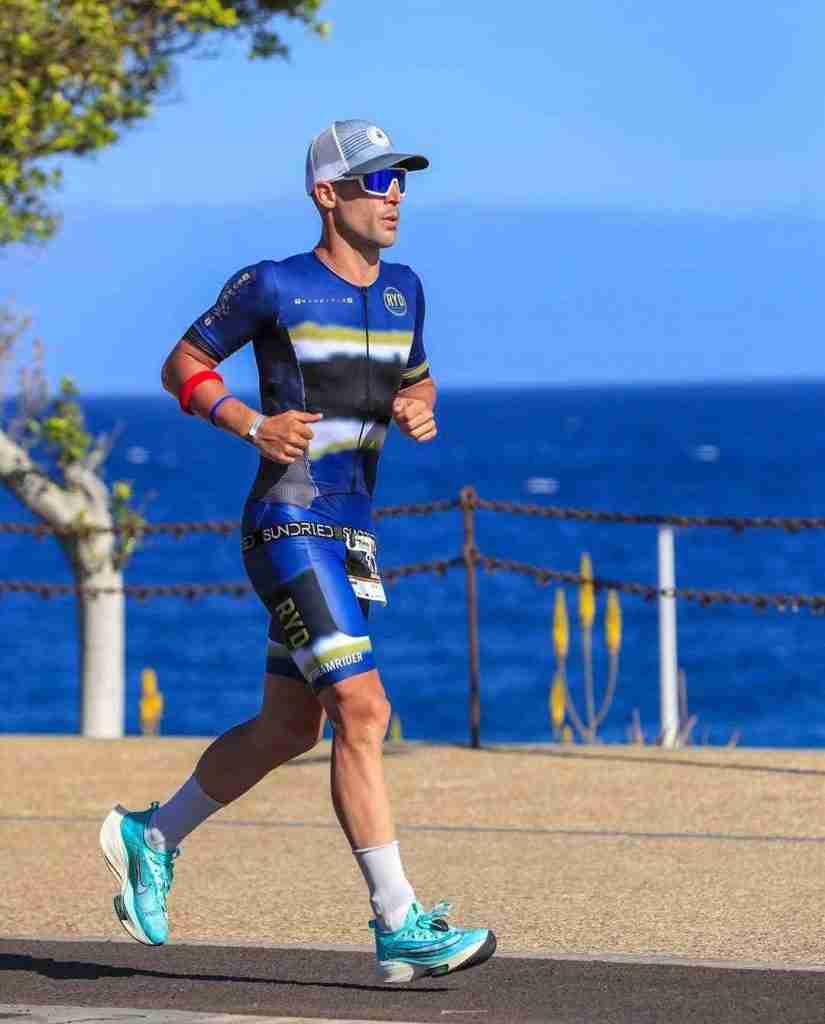
Running rewards patience. Your breathing may improve faster than your legs, feet, calves and tendons adapt to repeated impact, which is why returning runners often benefit from short easy sessions and run-walk intervals instead of immediately chasing continuous distance.
If you have been away from running for several weeks, start with time rather than pace. A 20–30 minute session that alternates easy running and walking can be more useful than forcing an old 5K pace. When you can complete several sessions without excessive soreness, gradually reduce the walking or extend total duration.
Warm up with movement
Begin with brisk walking and light dynamic mobility. The objective is to raise body temperature and prepare joints and muscles, not tire yourself before the run starts.
Use the run-walk method when needed
Alternating running and walking is not a sign of poor fitness. It is a practical way to control impact and keep the overall session manageable while your body readapts.
Keep easy runs genuinely easy
Do not turn every session into a tempo run. Easy running creates room for consistency, recovery and later quality work.
Add intervals only after the base returns
Short faster efforts can be useful, but they are not the first priority. Rebuild regular running first, then add one controlled quality session when your legs are recovering well between runs.

Essential running gear after summer
Comfortable shoes suited to your terrain are the priority. Add breathable clothing, reflective details for low-light sessions, hydration for longer or warmer runs, and lightweight eye protection when sun, wind, insects or dust are part of the route.
Avoid changing too many variables at once. New shoes, a new route, faster pacing and a sudden jump in distance can make it difficult to understand what caused discomfort if something starts to hurt.

Running Glasses
For running, low weight and stability matter as much as lens protection. The frame should remain comfortable while sweating and stay secure through repeated movement.
Nature · Endurance · Flexible pace
Getting back in shape with hiking

Hiking can make a fitness restart feel less like formal training, but that does not mean every trail is easy. Distance, elevation gain, surface, altitude, weather and the weight of your backpack all change the real workload.
Begin with routes you could comfortably finish even if you felt slightly less fit than expected. Build elevation and duration gradually, and remember that long descents can be demanding on the legs even when your breathing feels controlled.
Choose the route by current fitness
Check distance, elevation gain, terrain, expected duration, weather and daylight. A short steep hike may be harder than a longer flat walk.
Keep the first climbs controlled
Use a pace that allows steady breathing. Starting too fast on the first ascent can turn the rest of the route into damage control.
Plan water, food and layers
Longer outings require more preparation than an urban workout. Carry enough water and food for the route, and adapt clothing to changing temperature, wind and precipitation.
Progress elevation separately from distance
If you increase climbing substantially, you do not also need to make the hike much longer. Treat vertical gain as its own training load.

Essential hiking gear for a safer restart
Start with footwear that matches the terrain, layered clothing, a waterproof shell when conditions require it, and a small backpack with water, food, navigation, phone, headlamp and basic first-aid items. In exposed environments, sun protection and suitable eyewear also become part of the kit.
Mountain weather can change quickly, so fitness should never replace route planning. A realistic turnaround time and the willingness to shorten the day are part of good outdoor judgement.

Mountain Glasses
For hiking and mountain use, choose coverage and lens protection according to the environment. Strong sunlight, wind, dust and reflected light can all affect visual comfort on long days outdoors.
The missing piece
Do not rebuild cardio and ignore strength and recovery
Cycling, running and hiking all benefit from a basic strength routine. You do not need bodybuilding-style sessions: short, consistent work for the major muscle groups can support general fitness and make your return more balanced.
Lower body
Squats, split squats, step-ups, calf raises and hip-hinge patterns can strengthen the muscles used in climbing, running and pedalling.
Core and posture
Planks, side planks, dead bugs and controlled carries support trunk stability for long rides, uneven trails and running posture.
Upper body
Push, pull and shoulder-stability movements help create a more complete routine, especially if your main sports are endurance-based.
Keep it simple: one or two short strength sessions are enough to start. If you are very detrained, begin with bodyweight or light resistance and prioritise technique. As your routine stabilises, working all major muscle groups on two or more days per week aligns with general adult physical-activity guidance.
Recovery signals worth tracking
- You can complete the next planned session without unusually heavy fatigue.
- Normal muscle soreness settles rather than becoming sharper or progressively worse.
- Your sleep, appetite and general energy remain stable.
- Easy sessions still feel easy instead of becoming harder every day.
- You are motivated to continue rather than needing several days to recover mentally and physically.
Practical framework
A simple 4-week post-summer fitness plan
This is a flexible framework, not a medical or personalised training prescription. Adapt session length and difficulty to your current fitness, training history and chosen sport. If you are returning after a long period of inactivity, start at the lower end of every suggestion.
Do not progress automatically just because the calendar says so. If week two still feels demanding, repeat it. A training plan is useful only when it reflects your actual recovery.
Avoid the reset trap
Common mistakes when getting back into exercise
Trying to compensate for the whole summer
Missed training cannot be repaid in one week. Extra volume and intensity usually increase fatigue faster than fitness.
Using old pace as a minimum standard
Your previous numbers are context, not a contract. Train according to your current response and rebuild performance from there.
Making every workout moderately hard
Training in the uncomfortable middle every day can make recovery difficult. Keep easy sessions easy so harder work has a clear place later.
Changing training, diet and sleep all at once
A sustainable reset is easier when you improve a few behaviours consistently instead of attempting a total lifestyle overhaul in 48 hours.
Ignoring strength because cardio feels more urgent
A basic full-body strength routine complements endurance sport and helps build a more complete weekly training structure.
Buying motivation instead of building a routine
Useful equipment can improve comfort and protection, but no product replaces realistic scheduling and repeatable training habits.
Make it last
How to stay consistent after the first four weeks
The real goal of a September reset is not to complete four perfect weeks. It is to create a routine that still makes sense when work gets busy, daylight changes, weather worsens or motivation drops.
- Schedule the minimum you can realistically maintain. Three repeatable sessions beat five sessions you abandon after ten days.
- Keep one flexible option. A short run, indoor ride, brisk walk or basic strength session can rescue a busy week.
- Track behaviour as well as performance. Session frequency, sleep and perceived effort often tell you more than speed alone.
- Use variety strategically. Cycling can reduce impact between runs; hiking can add long easy movement; strength fills gaps endurance sport leaves behind.
- Review every two to four weeks. If training is becoming easier, progress one variable. If fatigue is accumulating, reduce load before adding more.
Health note: seek professional medical advice before starting or resuming exercise if you have relevant health concerns, a significant injury, unexplained symptoms or a long period of inactivity. Stop exercise and seek appropriate medical care for symptoms such as chest pain, fainting, severe shortness of breath or sudden significant pain.
Useful answers
FAQ: getting back in shape after summer
How long does it take to get back in shape after summer?
There is no universal timeline. It depends on how long you were less active, your previous training level, age, health, sleep, stress and the type of sport you are returning to. Use the first few weeks to rebuild routine and assess how quickly your body is adapting rather than chasing a fixed deadline.
Should I exercise every day when I restart?
Not necessarily. Daily movement can be fine, but daily hard training is usually unnecessary. Rest days, easy walking, mobility and low-intensity sessions can all support the return without adding excessive fatigue.
Is cycling better than running for getting back into fitness?
Cycling is generally lower impact and can make it easier to accumulate aerobic time, while running is more time-efficient and requires less equipment. The better choice is the one that matches your body, schedule and motivation. Combining them can also work well.
Is hiking enough to improve fitness?
Hiking can provide substantial aerobic work, especially when routes include distance and elevation. Its training effect depends on pace, terrain, duration and your current fitness. Steeper or longer hikes can become demanding even at modest speeds.
When should I add intervals again?
Add harder efforts only after easy sessions are becoming predictable and you are recovering well between workouts. For many people, one controlled quality session per week is enough during the early return phase.
What should I do if I miss a week during the reset?
Resume from a level that feels manageable rather than trying to compress missed sessions into the next few days. The plan exists to support consistency, not to punish interruptions.
Reward for your next outdoor goal
Receive Your 15% Reward Coupon
If your fitness reset takes you back to cycling, running or the mountains, choose the technical eyewear that best matches the sport and conditions you actually train in.
Use coupon code BLOG15 and receive 15% off your purchase.