


Sailing Glasses
Sailing glasses are an essential part of every sailor’s equipment. They help protect the eyes from wind, water, sunlight and glare while improving visual comfort and maintaining a stable fit during navigation.
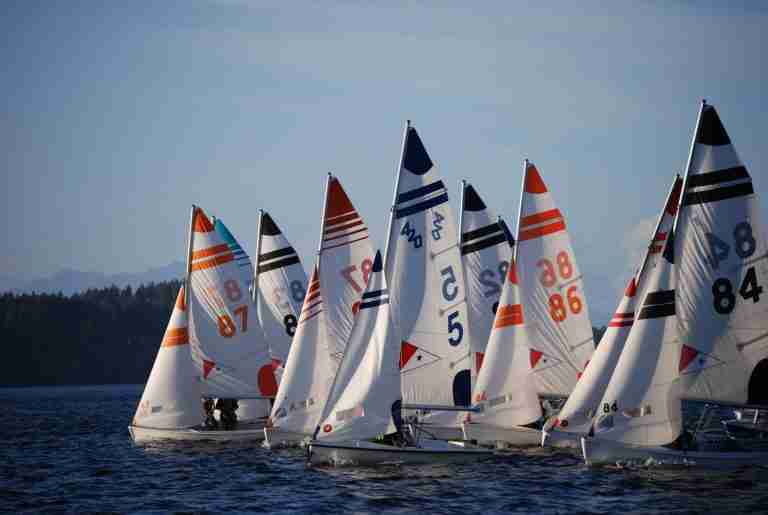
Why sailing eyewear matters
On the water, visual comfort and eye protection become part of performance.
Sailing is a demanding sport that requires technical skill, physical preparation and constant reading of the environment. Wind, water reflection, changing weather and strong sunlight can all affect comfort and visibility if the eyewear is not properly suited to marine conditions.
A good sailing frame helps the sailor stay focused on navigation, maneuvers and water conditions instead of fighting glare, wind and eye fatigue.
What sailing glasses should do
Why sailing is visually demanding
Sailing combines technique, speed and constant exposure to light, wind and water.
Sailing can be practiced at both competitive and amateur levels and includes many different classes and navigation styles. In all cases, the sailor must manage the boat precisely while continuously interpreting wind, water and environmental conditions.
This makes eye comfort especially important. Good glasses help reduce visual strain and make it easier to keep focus during long or technically demanding sessions on the water.

Which glasses should you choose for sailing?
The ideal sailing glasses combine glare control, secure fit and adaptable lens performance.
Polarized Lenses
A strong solution for reducing reflections from the water and improving overall visual comfort during navigation.
Stable Grip
Rubber or silicone contact points help improve adherence to the face and reduce unwanted slipping.
Flexible or Adaptive Temples
Useful for improving fit on different face shapes and keeping the frame secure during movement.
Interchangeable Lens Options
Helpful when the sailor wants to adapt the eyewear to different light levels and weather conditions.

Lens choice on the water
Different light conditions call for different lens behaviors.
Sailing glasses may use different lens colors and technologies depending on brightness and the sailor’s visual priorities. Strong sunlight and reflected glare usually call for darker or more protective options, while lower light requires lighter and more contrast-supportive lenses.
- Gray or green lenses: useful for bright and sunny conditions
- Yellow or orange lenses: more suitable in low-light conditions
- Polarized lenses: ideal when water glare becomes visually tiring
- Interchangeable lenses: useful when you want more control over your setup
Why fit matters as much as the lens
A lens can be excellent, but if the frame moves too much, visual performance drops.
On a boat, movement is constant. Wind, spray, body position changes and repeated maneuvers all make frame stability especially important. The right sailing glasses should stay comfortable and controlled while still feeling natural on the face.
How to choose quickly
A simple way to identify the right sailing glasses.
- Choose polarized lenses if glare reduction is your main priority
- Choose frames with strong grip and stability for exposed and windy conditions
- Choose interchangeable lenses if you want more flexibility across weather conditions
- Prefer a more wraparound fit if you want extra shielding from wind and splashes
- Choose lighter lenses for lower light and darker lenses for strong sun exposure
In practical terms
The best sailing glasses are the ones that protect the eyes from glare and water, remain stable during navigation and allow you to keep reading the environment with clarity and confidence.
Discover the full DEMON water sports eyewear collection.
Explore the available models and choose the pair that best matches your sailing style, your light conditions and the level of protection and comfort you want on the water.