


Athletics Glasses: Complete Guide to Protection, Comfort and Performance
Athletics glasses are designed to protect the eyes during track and field activities while helping athletes maintain clear, stable vision during running, jumping, throwing and outdoor training.
Why glasses matter in athletics
In athletics, clear vision is not a detail. It affects focus, reaction time, comfort and confidence during training or competition.
Athletics glasses are specially designed eyewear created to protect the eyes during track and field activities. Unlike regular sunglasses, they are built to withstand high-impact movements, resist slipping during intense effort and stay stable while running, jumping or throwing.
The best sports glasses for athletics combine protection, stability and visual clarity. They help shield the eyes from sunlight, wind, dust, insects, sweat and accidental contact, while keeping the athlete’s field of vision clean and uninterrupted.
Modern designs are lightweight, aerodynamic and comfortable enough for long sessions, whether you are sprinting on the track, training for distance events, working on jumps or preparing for throwing disciplines.
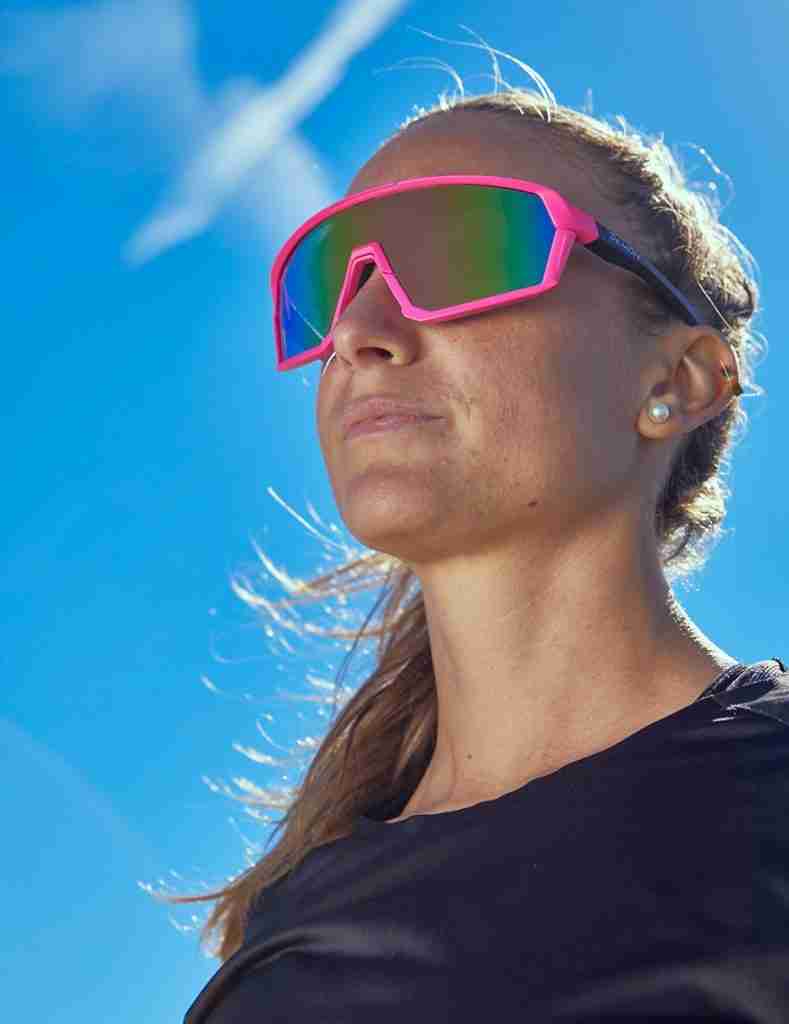
What are athletics glasses?
Athletics glasses are sports eyewear made for athletes who need protection without sacrificing speed, comfort or freedom of movement.
In addition to eye protection, athletics glasses often feature lightweight frames, anti-fog lenses, ventilation channels and UV protection. Some models also include shatter-resistant or impact-resistant lenses to reduce the risk of injury from accidental impacts.
Beyond safety, these glasses can improve the athlete’s visual experience by reducing glare, enhancing contrast and increasing visual clarity. This is especially useful during outdoor training, where light conditions can change quickly from bright sun to shade.
- For sprinting: they must stay perfectly stable during explosive acceleration and rapid head movement.
- For distance running: they need long-lasting comfort, low weight and excellent ventilation.
- For jumping events: they should remain secure during approach, take-off and landing.
- For throwing disciplines: they must offer protection, wide vision and a fit that does not interfere with technique.
Discover glasses designed for running and trail running
Choose sports eyewear created for protection, stability and clear vision during road running, trail running and athletics training.

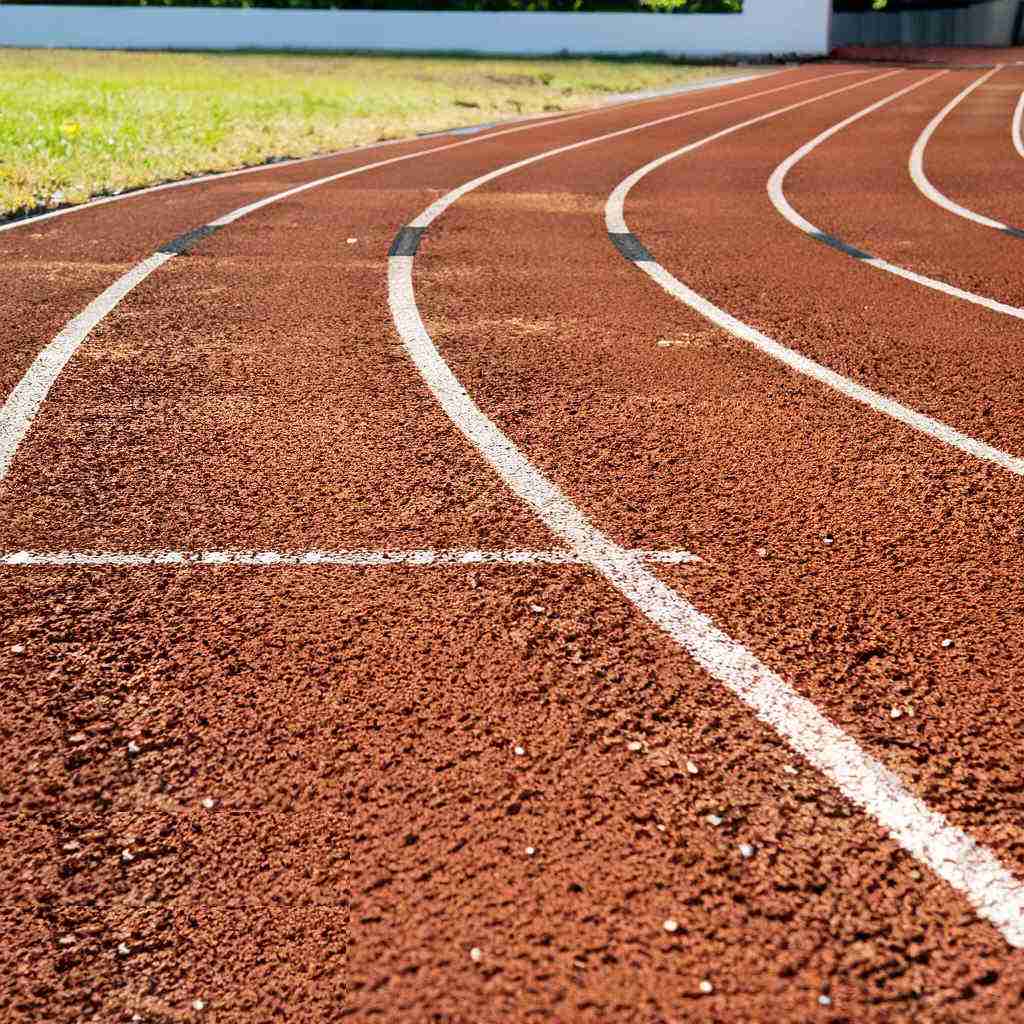
Athletics: speed, strength, endurance and technique
Athletics, also known as track and field, is one of the oldest and most universal sports.
Athletics combines disciplines that test speed, power, endurance, coordination and mental focus. It dates back to ancient Greece and remains one of the central pillars of modern sport.
The sport is traditionally divided into three major categories: running events, jumping events and throwing events. Each area requires specific technical skills, physical preparation and equipment choices.
For eyewear, this means the ideal pair of glasses must be more than simply light. It must offer stable contact with the face, clear side vision, resistance to sweat and enough protection for outdoor training in changing weather conditions.
Running
Sprints, hurdles, relays, middle-distance, long-distance, road running and cross-country all demand stability and visual clarity.
Jumps
Long jump, high jump, triple jump and pole vault require eyewear that remains secure through approach, take-off and landing.
Throws
Shot put, discus, hammer and javelin require wide vision, protection and a fit that does not interfere with movement.
Running disciplines in athletics
Running is one of the most popular components of athletics, with events that test acceleration, speed endurance, pacing and mental strength.
Sprints
100 m, 200 m and 400 m events require explosive power, fast reaction time and eyewear that does not move during maximum acceleration.
Hurdles and steeplechase
These disciplines combine running rhythm with technical obstacles. Stable glasses help keep vision focused while the body moves vertically and horizontally.
Relay races
Events such as 4x100 m and 4x400 m require precise baton exchanges, peripheral awareness and concentration under pressure.
Middle-distance races
The 800 m and 1,500 m combine speed and endurance. Glasses must remain comfortable even when effort and sweating increase.
Long-distance races
Events such as 5,000 m, 10,000 m and marathon demand lightweight eyewear with strong ventilation and long-lasting comfort.
Cross-country and trail
Uneven ground, branches, dust and variable light make protective sports glasses especially useful for outdoor running.
Practical advice: the more dynamic the discipline, the more important the fit becomes. For running and jumping, a secure bridge and grippy temples are often just as important as the lens itself.
Features of glasses for athletics
The right athletics glasses should protect the eyes, remain stable and support performance without creating pressure points.
Choosing the right glasses for athletics means looking at the complete balance between weight, lens protection, grip, field of vision, ventilation and comfort. A model that feels good when standing still may not perform the same way during sprints, jumps or long runs.
1. Lightness
Light frames reduce facial fatigue and help the athlete move naturally without distraction.
2. Secure fit
Rubberized temples, grippy nose pads and flexible materials help the glasses stay in place during intense movement.
3. Impact resistance
Impact-resistant lenses and frames help protect the eyes from debris, accidental contact and falls.
4. UV protection
Outdoor athletes should choose lenses that help protect the eyes from harmful sunlight exposure.
5. Ventilation
Good airflow helps limit fogging during high-effort training, humid weather and sudden temperature changes.
6. Sweat resistance
Stable grip and quality materials help prevent slipping when sweat increases during intense sessions.
7. Wide field of vision
A wraparound or mask-style shape can improve coverage and help maintain a clear view of the track, road or trail.
8. Lens versatility
Clear, mirrored, polarized or photochromic lenses can be chosen according to weather, light intensity and training time.
Which lenses are best for athletics?
The best lens depends on where and when you train, the intensity of sunlight and your sensitivity to glare.
Mirrored lenses
Ideal for bright sunny days. They help reduce glare and give the glasses a strong performance look.
Polarized lenses
Useful when glare from asphalt, wet surfaces or open areas becomes distracting during outdoor sessions.
Photochromic lenses
A versatile option for changing light conditions, morning training, cloudy days and routes alternating between shade and sun.
Clear lenses
Recommended for low-light training, evening sessions, indoor warm-ups or protection from wind and debris without darkening vision.
Category 3 lenses
A strong choice for sunny outdoor conditions, especially when the priority is reducing brightness and maintaining visual comfort.
Interchangeable lenses
Useful for athletes who train in different light conditions and want one frame that can adapt to several scenarios.
For most outdoor athletes: mirrored or category 3 lenses are excellent for sunny days, while photochromic lenses are a smart option when light changes often during the same session.
Need optical correction while running?
Prescription running glasses can help athletes who need visual correction without giving up protection, comfort and a secure sports fit.

At a glance: what to prioritize
This comparison helps you understand which feature matters most depending on your discipline and training conditions.
Final takeaway: for athletics, the best glasses are not simply the darkest or most aggressive-looking model. The best choice is the pair that stays comfortable, stable and clear throughout the entire activity.
How to keep athletics glasses in good condition
Proper care helps preserve lens clarity, frame comfort and long-term performance.
- Rinse dust and sweat before wiping: this helps reduce the risk of scratching the lenses.
- Use a microfiber cloth: avoid rough fabrics, paper towels or clothing that may damage the lens surface.
- Store them in a case: this protects the frame and lenses inside a sports bag.
- Avoid extreme heat: do not leave sports glasses for long periods on car dashboards or near heat sources.
- Check nose pads and temples: worn grip parts can reduce stability during intense activity.
FAQ about athletics glasses
Useful answers before choosing your next pair of sports glasses.
Can I use regular sunglasses for athletics?
Regular sunglasses can offer shade, but they are usually not designed for intense movement, sweat, impact resistance or secure fit. Sports glasses are a better choice for training and competition.
Are polarized lenses good for running?
Yes, they can be helpful when glare is strong, especially on asphalt, wet surfaces or open roads. Some athletes prefer non-polarized lenses for certain conditions, so comfort and personal perception matter.
Are photochromic lenses useful for athletics?
They are useful when light changes during the same session, such as early morning training, cloudy weather, shaded routes or trail running.
What matters more: lens or fit?
Both matter, but fit is essential. Even the best lens becomes distracting if the glasses slip, bounce or create pressure during movement.
Which glasses are best for long-distance running?
Look for low weight, excellent ventilation, UV protection, a stable nose bridge and temples that stay comfortable for many kilometers.
Receive your 15% reward coupon
Choose the Demon running and trail running glasses that best match your training style and use the reward code below to receive 15% off your purchase.
Your coupon code:
Apply it at checkout and complete your order with your dedicated blog reward.
Choose glasses that support your discipline
Whether you practice sprinting, long-distance running, jumping events, throwing disciplines or trail running, athletics glasses are an essential piece of equipment for athletes who want both protection and performance.
The right pair should feel light, remain stable, protect the eyes and provide the lens type best suited to your usual training conditions. When eyewear disappears from your mind during effort, it is doing its job correctly.
